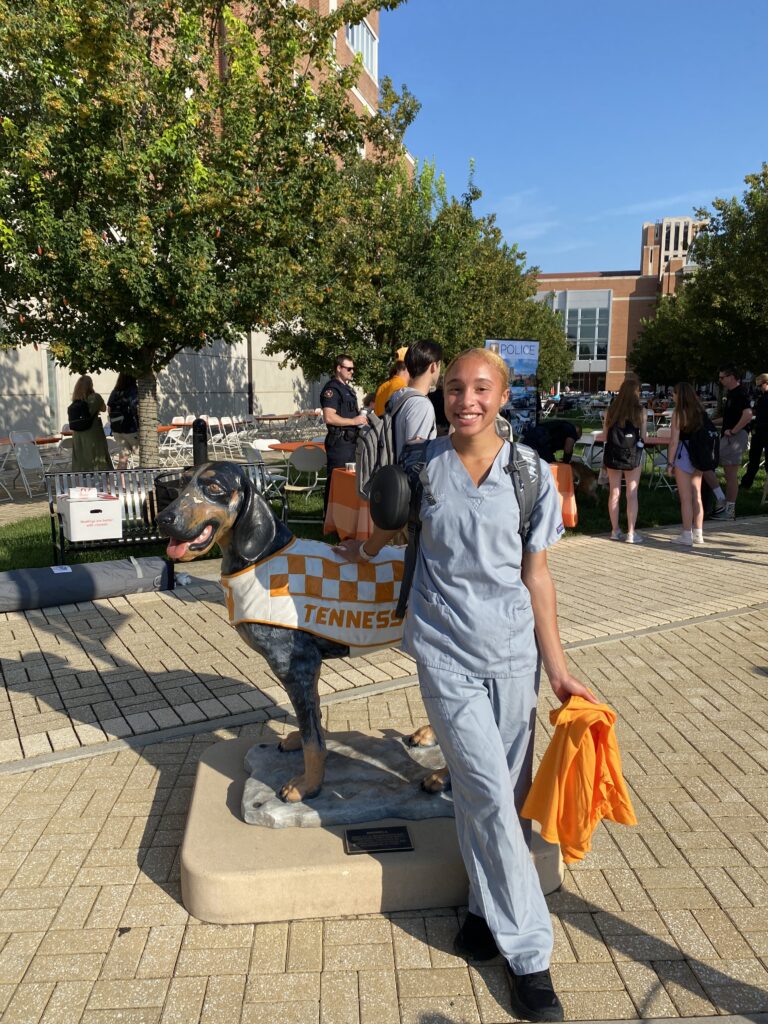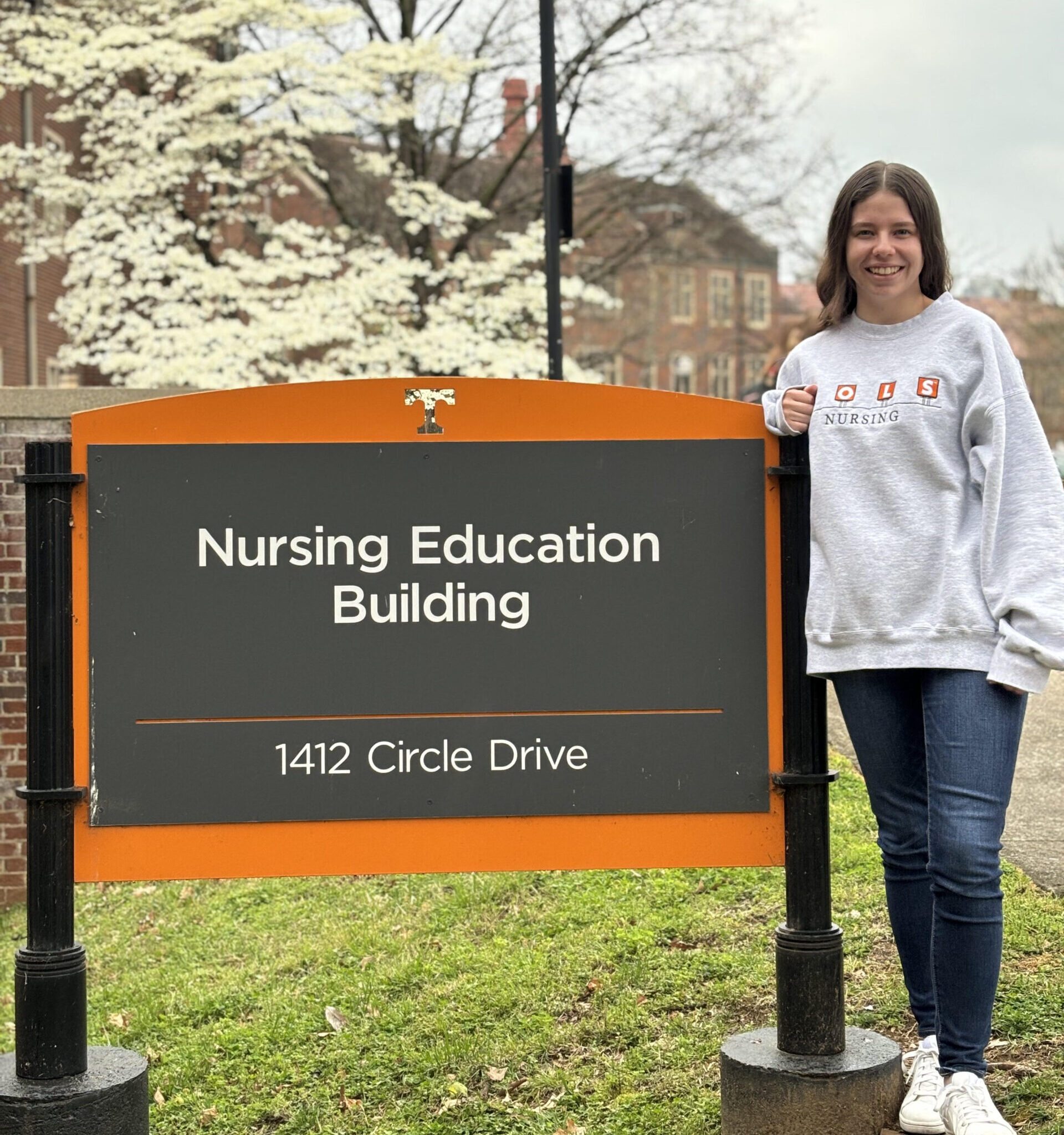
Student Spotlight, Sophia Vlattas

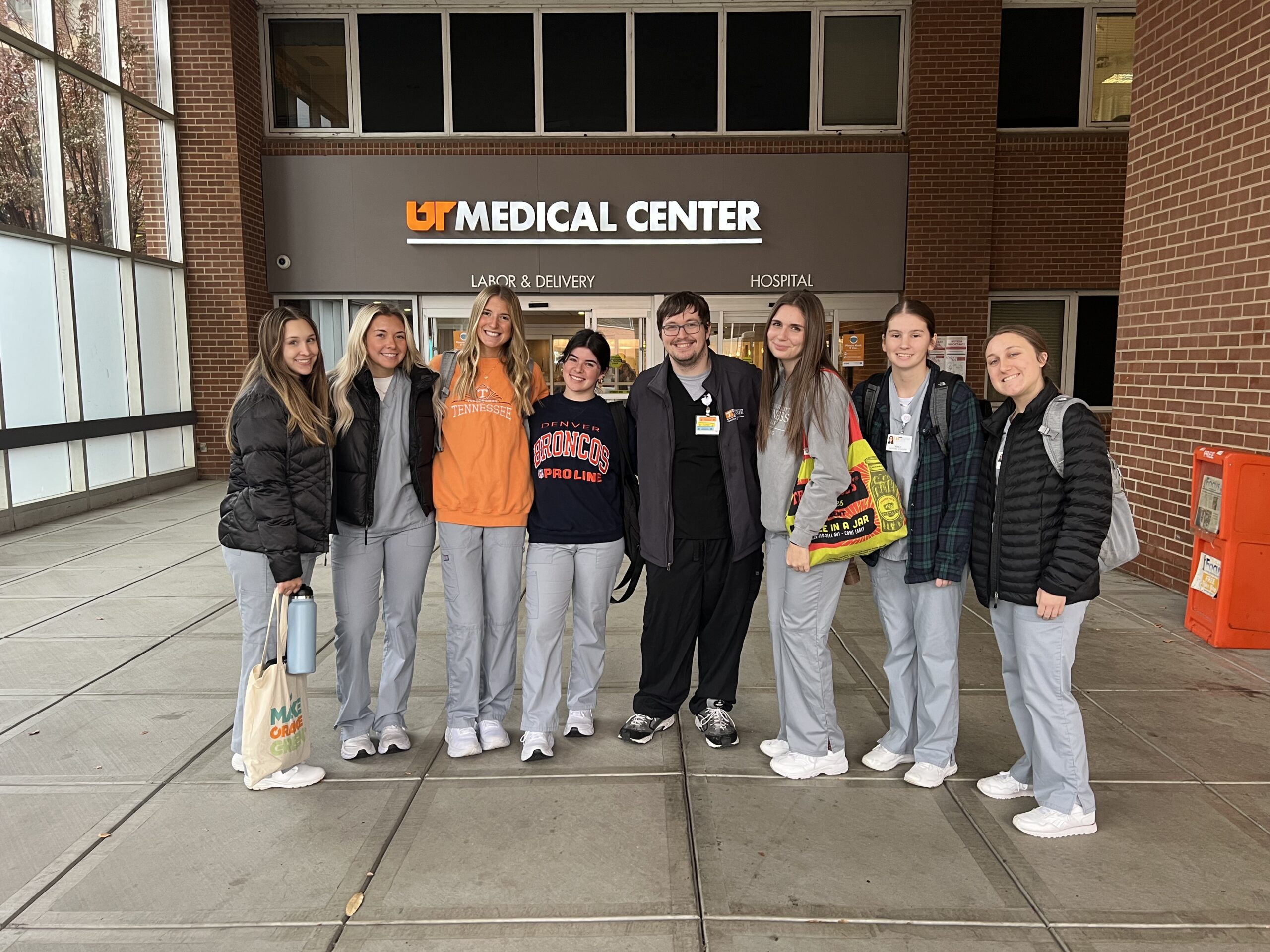
Sophia Vlattas, a senior at the University of Tennessee, reflects on her time at the College of Nursing and recalls all the meaningful experiences that have impacted her nursing journey.

Vlattas, a Northern Virginia native, was inspired to become a nurse because of her passion for helping people. That passion led her to UT, and she quickly got involved on campus and in the college through SNA and the Precious Prints Project.
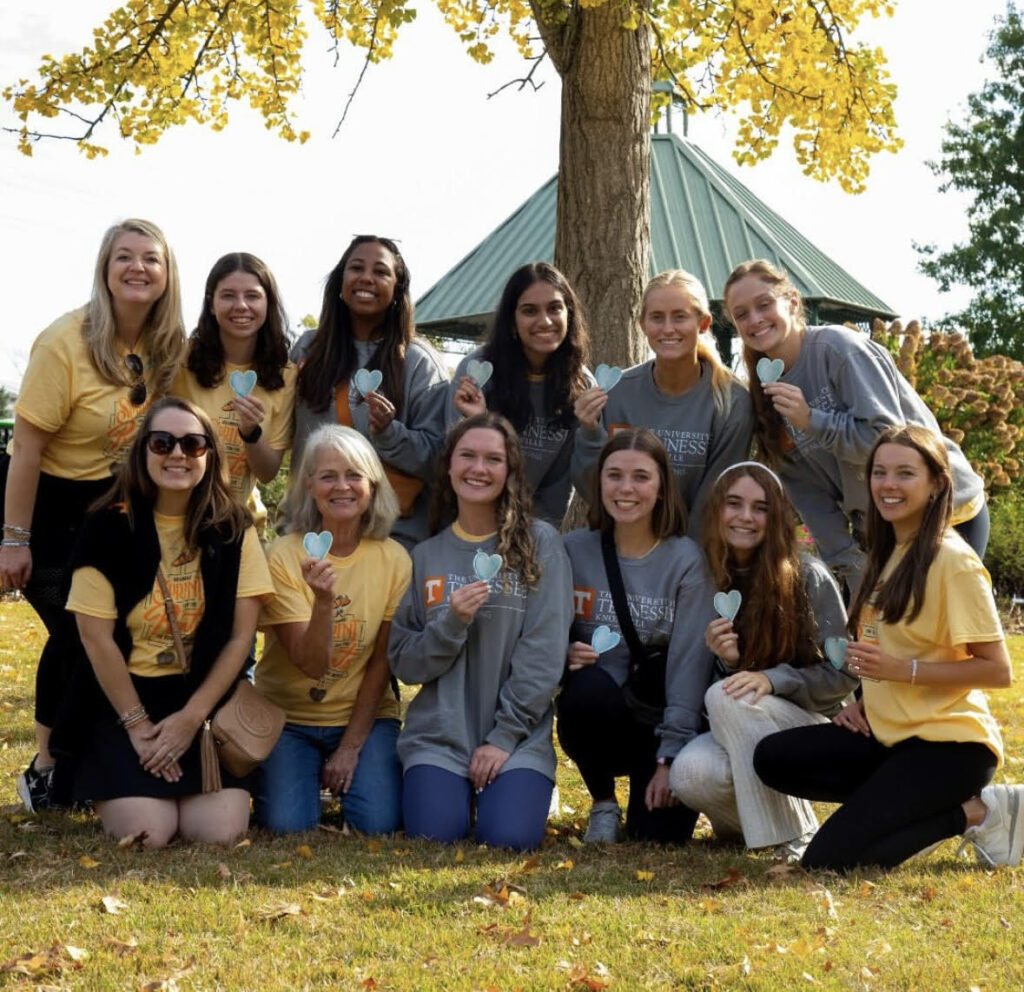
“The nurses I have had the opportunity to work with, and the patients I have gotten to care for have inspired me,” said Vlattas. “Especially the recipients of Precious Prints. Being able to hear their stories allows me to see the impact my work has on others.”

Vlattas spent her senior year serving on the executive team for the Precious Prints Project. The Precious Prints Project comforts grieving families with a sterling silver pendant bearing the fingerprint of their child. The project was developed at the University of Tennessee, Knoxville, College of Nursing in partnership with Precious Metal Prints, a local business. 

Vlattas played a pivotal role in the annual Sprint for the Prints that raises money for the Precious Prints Project. In 2023, the Sprint raised over $11,000 to support the Precious Prints Project.

“The team and I put so much effort into the event,” said Vlattas. “It was so heartwarming to see all of our hard work and dedication making an impact.”

Her dedication to serving others shines brightly through her work with SNA as well. Vlattas was given an opportunity to attend the National Student Nurses Association Conference in Nashville during her junior year.

“It was a great opportunity to meet with fellow nursing students and faculty from other schools, including the University of Nevada Las Vegas who we partner with for the Precious Prints Project,” said Vlattas. “I was honored to represent the college by presenting a poster regarding the Precious Prints Project.”

The experiences Vlattas has had during her time at UT have further solidified her commitment to nursing and have provided her with invaluable insights into her future career in the mother baby specialty.

“I want to be a mother baby nurse because it is such a heartwarming experience to be able to help guide and support them through this pivotal moment in their lives,” said Vlattas. “I have been able to have a mother baby clinical rotation at local medical centers. Precious Prints also allowed me to work with this patient population and develop connections with the mother baby specialty.”

She credits the support of her teachers, classmates, and family as the most influential elements of her nursing education, shaping her into the compassionate and dedicated nurse she aspires to be.

_____

CONTACT:

Kara Clark (865-974-9498, [email protected])
Quack Therapy: Exploring the Healing Powers of Ducks in Animal Assisted Therapies

In the world of innovative therapy approaches, a new player has taken center stage: ducks. College of Nursing PhD student Alex Sargsyan, decided to investigate the effects of Animal Assisted Therapies with Farm Animals (AATF) and its effects on depression, anxiety, and self-efficacy on individuals with traumatic brain injuries.  

Animal Assisted Therapy (AAT) is an intervention that intentionally includes an animal as part of the therapeutic process. AATF is similar but farm animals are utilized for the therapy process.

“To our knowledge, this type of project has never been conducted anywhere in the world,” said Sargsyan. “For years, we’ve seen the profound impact of animal-assisted therapies on mental health, but there is limited research on the use of farm animals. This inspired my research.”

After going in front of the Institutional Review Board (IRB) and the Institutional Animal Care and Use Committee (IACUC), Sargsyan started his research efforts, ensuring that every aspect of his study upheld the highest standards of ethics and welfare.

“For me, it was crucial that both humans and animals were treated with the utmost respect and care,” he emphasized.

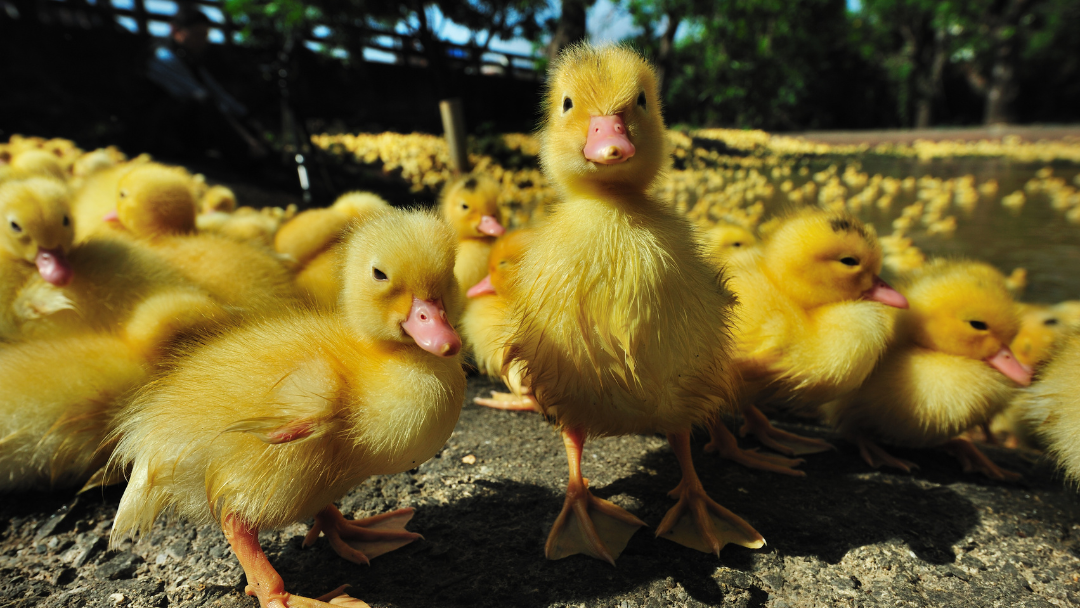
Ducks have not been previously used as a form of Green Care Therapies. However, they have been around humans for long time. In addition to use in agriculture, they are used for amusement and entertainment. For example, Peabody Hotel in Memphis, TN conducts twice daily duck parade, where the ducks march through the hotel lobby. Ducks are highly trainable, have calming presence, and small size. Sargsyan felt that therapy with ducks would be a good starting point for his research.

As duck therapy intervention started, Sargsyan witnessed firsthand the remarkable bond that formed between study participants and their newfound feathered companions. “The joy on their faces, the sense of calm that washed over them – it was truly humbling to witness,” he reflects.

Among the most notable outcomes of the study was the statistically significant decrease in anxiety levels among participants. “It was as if the ducks had a magical touch,” Sargsyan muses. “Their presence alone seemed to melt away the worries and burdens that weighed heavily on the participants’ minds.”

Looking ahead, Sargsyan’s vision for the future is as ambitious as it is inspiring. “I dream of a world where AATF is widely recognized as a legitimate and effective form of therapy,” he shares. “And I’m committed to doing everything in my power to make that dream a reality.”

Sargsyan’s journey into the world of farm animal-assisted therapies continues, fueled by a passion for healing and a deep-seated belief in the power of quacks to change lives. And in the gentle waddle of ducks, he finds not just a research subject, but a source of inspiration, wonder, and boundless hope.

_____

CONTACT:

Kara Clark (865-974-9498, [email protected])

Nursing Mentorship Program Helps Bridge Gaps, Foster Success

Students in the College of Nursing are getting the opportunity to work hand in hand with alumni from the college. The Alumni Mentorship Program is more than just a program — it’s a chance for aspiring nurses navigating the complexities of nursing school to partner with an alumnus who is on the frontline of patient care.

Originally conceived as a response to the need for a structured support system, the mentorship program emerged from the Challenge Grant provided by the Division of Access and Engagement.

“The program creates mentorship dyads that connect current junior and senior nursing students with an alumnus,” said Kim Brown, director of access and engagement at the college. “The overarching goal is to increase self-efficacy by addressing a sense of isolation and barriers to self-development and professional development often experienced by students from historically underrepresented groups in nursing.”

Operated on a formal two-year virtual platform, the program’s reach extends far beyond Knoxville, bridging geographical gaps and bringing together students and Vol nurse mentors from diverse backgrounds.

“The program embraces a holistic approach to mentorship, acknowledging the intersection of identities and experiences,” said Jada Russell, executive director of academic advising and enrollment management.

Mentors bring a wealth of experience and insight to their roles. They serve as guides, confidants, and champions, offering not only academic guidance but also invaluable emotional support and encouragement to their mentees.

At its core, the mentorship program offers avenues for authentic connection and growth.

“This program has allowed me to meet my best friend,” said a mentee. “This opportunity has helped me, and I have received the best advice. Talking to someone currently working and hearing their professional experience has been beneficial.”

As the program enters its third academic year, its commitment to inclusivity, empowerment, and excellence remains unwavering. Looking ahead, efforts are underway to further enhance program outcomes, including increased face-to-face engagement and team-building activities.

“This program empowers diverse, future nursing leaders, equipped with the mindset and skillset to create innovative solutions that improve health for all,” said Brown.

_____

CONTACT:

Kara Clark (865-974-9498, [email protected])
Freezing Time

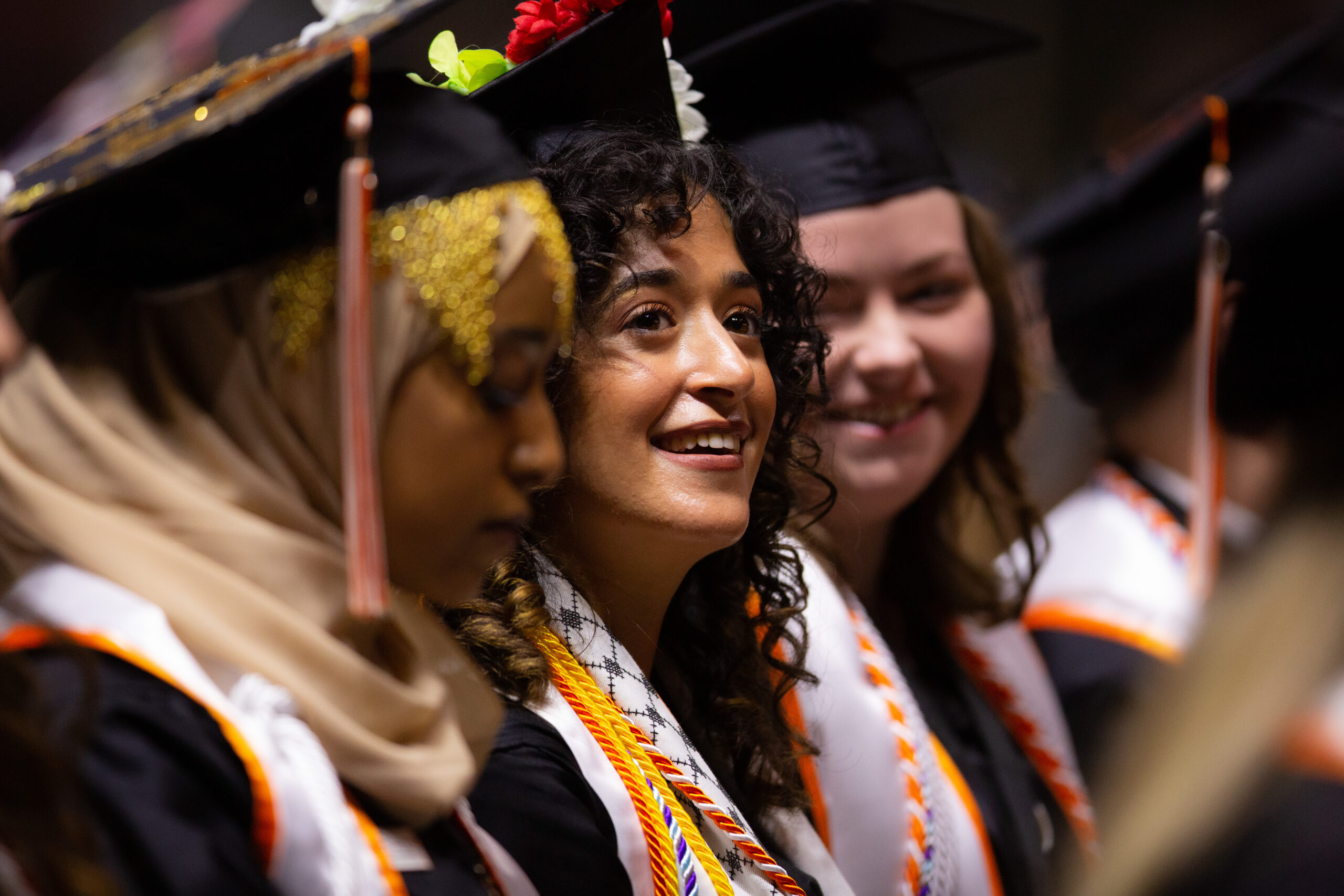
A time capsule—a container storing a selection of objects chosen as being typical of the present time, buried for discovery in the future—is a way to remember and pass on symbols and objects that are worth preserving.

With construction of the new Nursing Building underway, the college sealed a time capsule at a National Nurses Week celebration on May 6. The capsule will be opened in 50 years in honor of the centennial celebration of the college. The following items were contributed by alumni, students, and friends of the college:

  1. 1992 College of Nursing Uniform
  2. Nurses cap
  3. Plaque from Room 207 in the old nursing building
  4. White coat
  5. Year of the Nurse banner
  6. Nursing uniform
  7. Stole and honor cords
  8. Old images from nursing graduates
  9. Newspaper clippings from college archives
  10. Issues of The Vol Nurse and the Nursing Report
  11. HITS Simulated Electronic Fetal Monitoring Flyer
  12. Society for Simulation in Healthcare Reaccreditation Program for HITS
  13. Blueprints for Simulation Lab at Innovation North
  14. Blueprints for Room 207 in the old nursing building
  15. Letter from Dean Victoria Niederhauser
  16. Model of new Nursing Building
  17. Brick from the original College of Nursing Building
  18. Image of the Jane magnolia tree in the current building’s courtyard
  19. Nursing stethoscope
  20. 1995 Convocation Program
  21. Invitation to the opening of old nursing building

“As we seal this time capsule, we are not just preserving objects; we are preserving our shared journey in nursing education,” said Victoria Niederhauser, dean of the college. “Each item within this time capsule represents a time or event in our history. We hope that this will serve as a bridge connecting the past to the future.”

_____

CONTACT:

Kara Clark (865-974-9498, [email protected])

College of Nursing Among Top Public DNP Programs, U.S. News and World Report Rankings

The College of Nursing DNP program at the University of Tennessee, Knoxville, ranked among the top 25 public universities in the U.S. News & World Report’s 2024-2025 Best Graduate Schools ranks released on April 9.

In the new rankings, the college’s DNP program is ranked 24th among public DNP programs. That is the highest ranking that the DNP program has placed. The college has moved up significantly in rankings over the last three years. The program has climbed over 14 spots since 2021, when it was ranked 38th among publics.

“Our rise to 24th among public universities in the U.S. News and World Report Best Graduate School rankings underscores our dedication to fostering transformative leaders in health care,” said Victoria Niederhauser, dean of the college. “This achievement reflects the collaborative efforts of our faculty, staff and students who continually strive for innovation and excellence in advancing nursing practice.”

The Best Graduate Schools rankings evaluate programs in a variety of disciplines, including business, education, engineering, law, and nursing. Rankings in these areas are based on two types of data: expert opinion about program excellence and statistical indicators that measure the quality of a school’s faculty, research, and students.

The data for the rankings in the main six disciplines came from statistical surveys of 2,225 programs and from reputation surveys sent to approximately 5,766 academics and 10,941 professionals, conducted in fall 2023 and early 2024.
“Being ranked in the top 25 among public universities is a testament to the profound influence that our students, faculty, and staff exert in the realm of health care,” said Allyson Neal, assistant dean of graduate programs. “By harnessing the synergy of education, clinical practice, scholarship, and cutting-edge technology, we’re spearheading advancements in health through nurse-led care. Our students, who are emerging nurse leaders, are pivotal in fostering collaborations and championing health enhancements in Tennessee and beyond.”

The rankings are categorized for the year following their release because they are intended to help prospective students make decisions.

“The recent recognition of our DNP program among the top 25 public universities is a testament to our unwavering commitment to excellence in nursing education,” said Shelia Swift, executive associate dean of academic affairs.  “This ranking serves as an external affirmation of our collective efforts and echoes our resolve to respond proactively to the evolving health care landscape. I am immeasurably proud of what we have achieved together—faculty, staff, and students—as we continue to lead care initiatives, forge transformative partnerships, and drive meaningful health improvements both within Tennessee and across the globe.”

Visit U.S. News & World Report’s Best Graduate Schools for more information on graduate school rankings.

_____

CONTACT:

Kara Clark (865-974-9498, [email protected])
College of Nursing Graduates Surpass National and State Averages for NCLEX

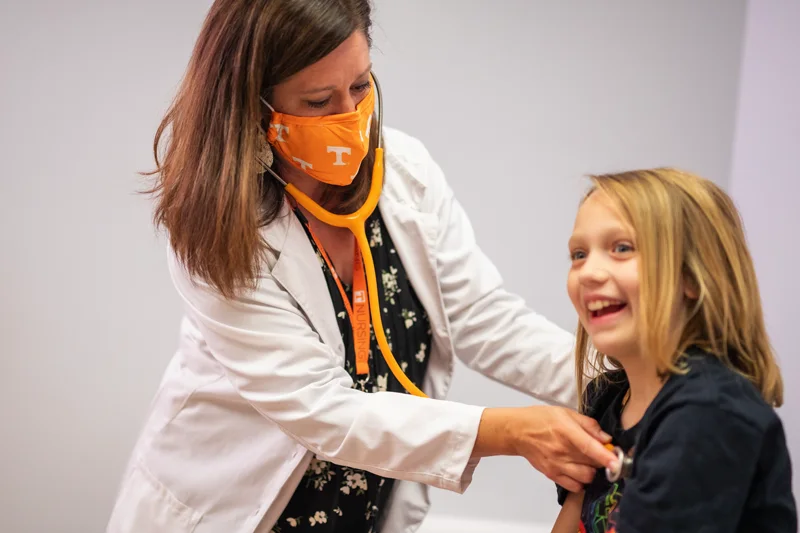
Graduates from the College of Nursing at UT had one of the highest first-time pass rates in the 2023 National Council Licensure Exam (NCLEX-RN)—98.5 percent.

This pass rate is higher than both the national average of 87 percent and the Tennessee average of 90 percent.

The test, administered by the National Council of State Boards of Nursing, is used to determine which candidates are adequately prepared to enter real-life practice and work as registered nurses.

“Our 98.5 percent first-time pass rate on the 2023 NCLEX-RN exam is a testament to the unwavering commitment of our students, faculty, staff, and clinical partners to excellence in nursing education,” said Phillip Moore, assistant dean of undergraduate programs. “This achievement not only surpasses national and state averages but also reflects the rigorous preparation and dedication instilled in our graduates. We are immensely proud of their success.”

A total of 197 UT Knoxville nursing graduates from the Bachelor of Sciences in Nursing program and the Accelerated Bachelor of Science in Nursing program took the test for the first time in 2023.

“We are proud of our College of Nursing graduates for surpassing both national and state averages in the 2023 NCLEX-RN exam,” said Victoria Niederhauser, dean of the college. “This speaks volumes about the dedication and excellence of our students and faculty. This exceptional achievement not only reflects the quality of education provided at UT Knoxville but also underscores our mission.”

In addition to the undergraduate Traditional and Accelerated Bachelor of Science in Nursing programs, the College of Nursing offers a new BSN pathway in partnership with UT Medical Center, a RN to BSN track as well as graduate degrees and advanced practice certifications, with online and blended formats available for selected programs.

 —

CONTACT:

Kara Clark (865-974-9498, [email protected])
College of Nursing and Tickle College of Engineering Launch Groundbreaking Maintenance Optimization Project

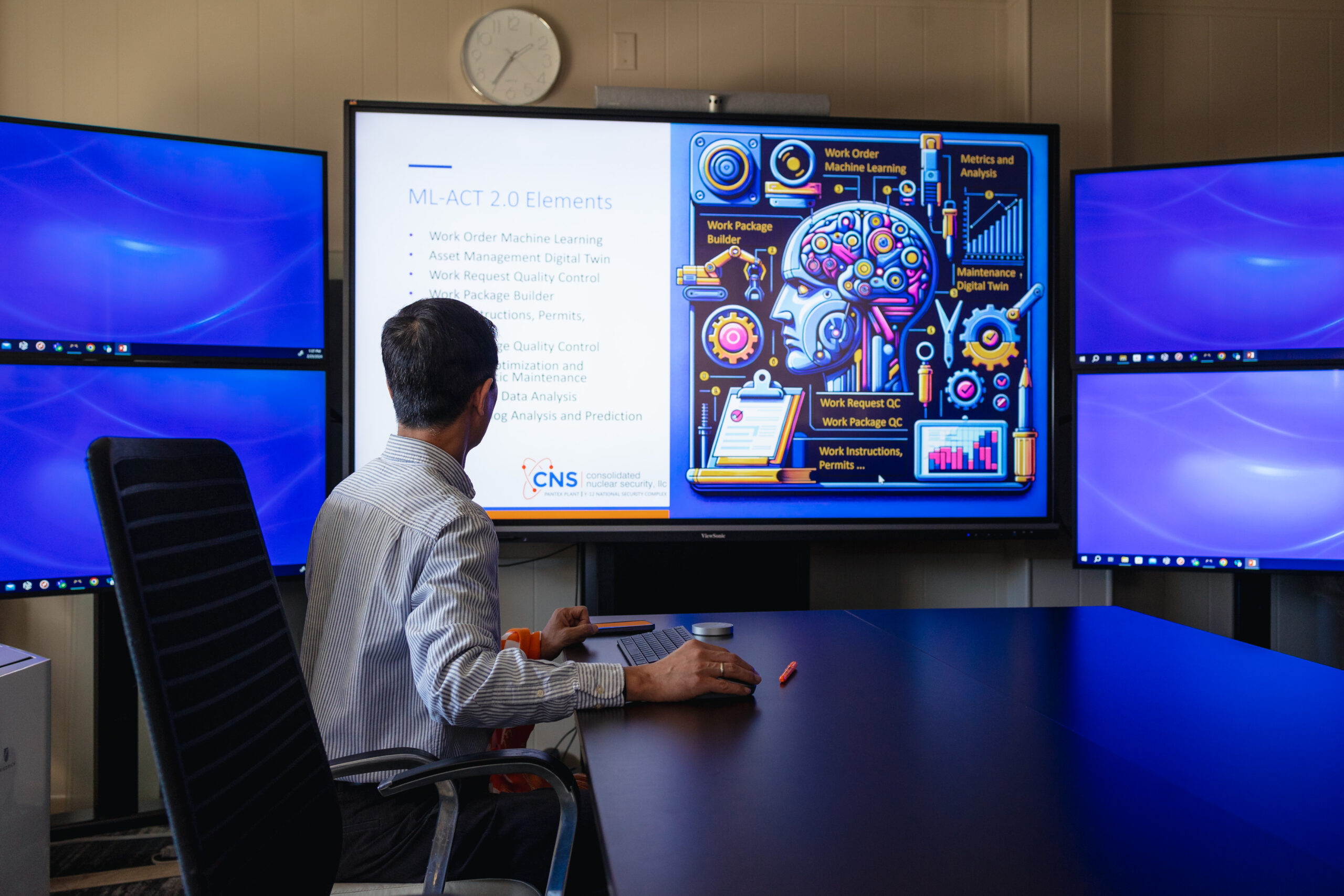
The University of Tennessee, Knoxville, College of Nursing, in collaboration with the Tickle College of Engineering (TCE), will begin a research and development initiative aimed at enhancing high-consequence operations. The $980,000 project is sponsored by Y-12 National Security Complex through its Plant-Directed Research and Development Program and is led by Y-12’s Oak Ridge Enhanced Technology and Training Center (ORETTC). The project is expected to take three years to achieve technology that proves these concepts as useful to industry.

High-consequence operations include activities that may expose people and the environment to hazards that could result in extensive injury, death, or significant damage. The focus of this endeavor is the development of two closely interrelated projects: creation of a digital twin for high-consequence equipment operations and development of a machine learning initiative to automate maintenance requests and documentation workflows.  

These technologies, when linked, create a representative simulation of how all the systems in a factory operate so personnel can practice operating through abnormal conditions. Examples of these conditions include an emergency response to a safety mechanism on a machine breaking or safely operating at maximum effectiveness to meet production targets, which requires limiting outages.

The digital twin project advances high-consequence operations technology by using a virtual replica of assets to simulate events at the edge of the operating envelope or in abnormal conditions. This approach uses 3-D visualization and augmented reality. Use of a digital twin should reduce downtime and enhance the safety and efficiency of high-consequence operations across various industries.

The machine learning project takes advantage of Natural Language Processing (NLP) and big data analytics to analyze maintenance records and operational data. This innovative approach will facilitate the generation of accurate work orders that also reduce risk. By streamlining the maintenance process, this project promises to significantly boost operational efficiency and cost-effectiveness.

Partnering with the University of Tennessee provides Y-12 and the National Nuclear Security Administration’s Nuclear Security Enterprise access to the leading experts in NLP and big data analytics. This research develops and proves the concept for using these technologies with digital twins and spatial visualization to make work safer and more efficient” says Dr. Ashley Stowe, director of ORETTC. “Our plan is to extend the use of this technology to employ digital twins in the nuclear production environment.”

ORETTC leads Y-12’s efforts for developing and implementing digital twin technologies to support its vital national security mission.

The project’s significance extends beyond high-consequence environments, including potential applications in health care and nursing, such as the following:

  1. Predictive modeling for health care operations: Health care organizations can use digital twin technology to create virtual replicas of medical equipment and how they conduct their operations, enabling assessments and improvements of operations.
  2. Patient care optimization: Machine learning techniques can analyze patient data, assisting nurses and health care providers in creating personalized care plans.
  3. Health care information management: Machine learning algorithms can optimize the use of vast amounts of patient information to support patient treatment and public health.

“We are excited to embark on this journey to enhance high-consequence operations,” said Tom Berg, lead researcher at the Applied Systems Lab. “By harnessing the power of digital twin and virtual reality technology and cutting-edge machine learning, we believe we can usher in a new era of efficiency, safety and security in critical operations.” 

“This collaboration represents a pioneering step in the application of augmented reality and digital twin technologies,” said Xueping Li, professor in TCE’s Department of Industrial and Systems Engineering. “Collective expertise will significantly contribute to advancing high-consequence operation practices, demonstrating the powerful synergy between engineering and practical application in real-world scenarios.”

This collaboration between nursing, engineering, and industry leaders is a testament to the commitment to advancing technology and enhancing operational practices in maintenance.

CONTACT:

Kara Clark (865-974 9498, [email protected])

Frank Thomasson, Faculty Appreciation Week

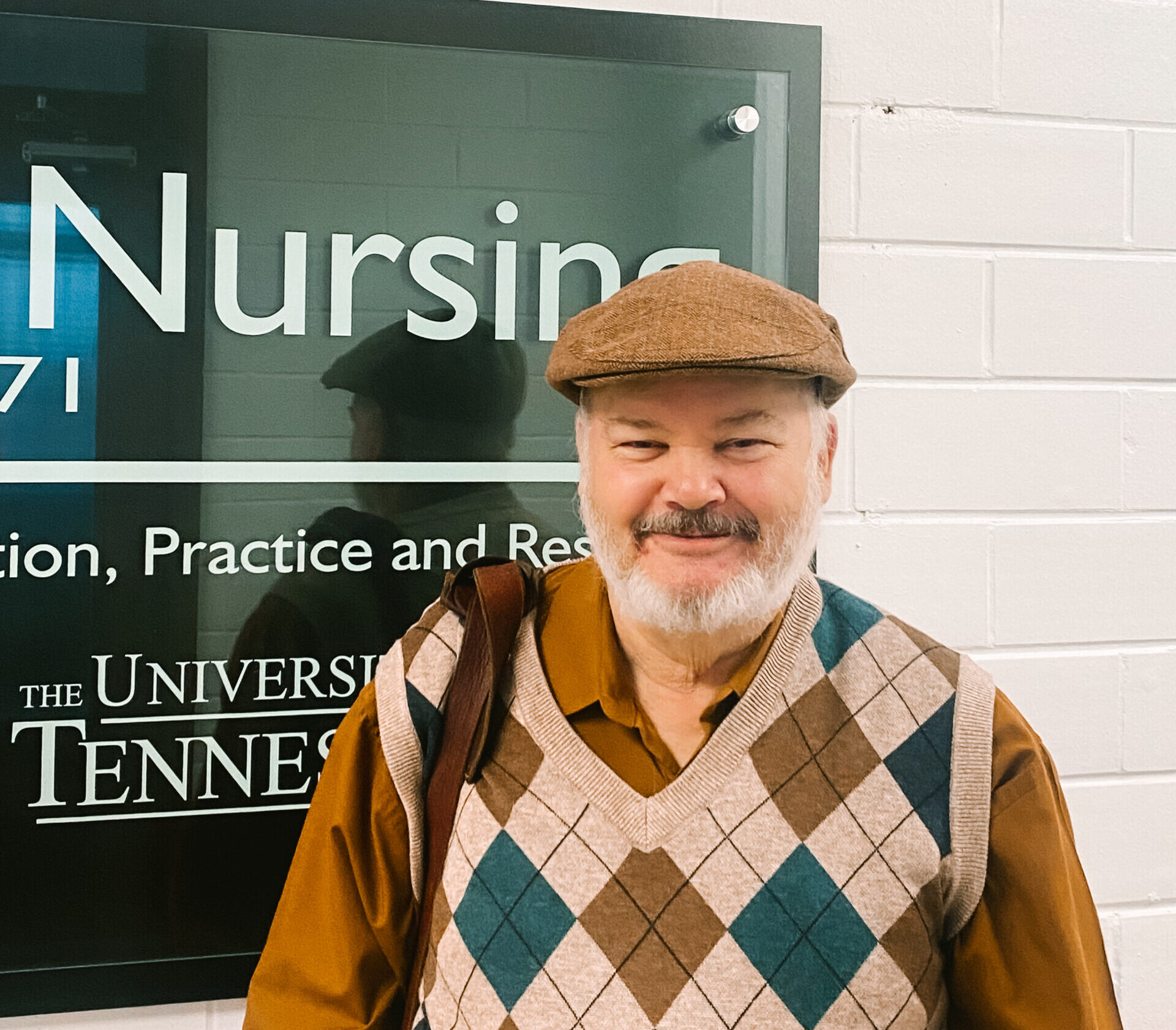
Born in 1954, Frank Thomasson’s upbringing as a United States Armed Forces dependent led him through several states and foreign countries, instilling in him a deep appreciation for diversity and resilience.

Thomasson earned his Bachelor’s in Geologic Sciences in 1977 from the University of Tennessee (UT) and went on to pursue a career in the United States Air Force as an aircrew navigator from 1978 to 1995.

Following an honorable discharge from the United States Armed Forces in 1995, Thomasson decided to return to UT to obtain his Bachelor of Science in Nursing.

“I’d like to say that my choice to become a nurse after leaving the military was an altruistic one, but it wasn’t,” said Thomasson. “I had a wife and three kids to support with no real civilian work skills. When job hunting, the newspaper ads provided new insight into what career path to take. Out of ten pages of job ads the list of available nursing jobs took up four of those.”

After he graduated in 1997, he joined the orthopedic floor at Methodist Medical Center. During this time, he continued his education at UT and completed his MSN in 1999.

Frank’s transition into nursing was driven by practicality, yet his journey unfolded into a profound calling as he found his niche in mental health nursing.

“While still studying in my graduate courses but working as a floor nurse, administration needed a night shift RN to fill in on the mental health inpatient unit one night,” said Thomasson. “Nobody volunteered to go. After the single night on the unit, I knew this was my calling.”

Thomasson quickly found that talking to patients was much more rewarding than hanging IV bags, doing dressing changes, or hearing IV pumps beeping.  He later volunteered and was accepted to work on the MMC Behavioral Unit.

As Thomasson continued in the Behavioral Unit, nursing students from UT were on his floor for clinicals.

“One day an instructor had to leave to check in on students on other nearby facilities,” said Thomasson. “I provided the students with my old process recording templates from my own nursing school days and guided them in using the templates to talk to clients with active cases of depression, manic behavior, and psychosis.  Word of this made its way back to the undergraduate mental health clinical course coordinator and the rest is history.”

Thomasson’s journey to becoming a faculty member was serendipitous and sparked by his ability to mentor those around him. By incorporating humor and interactive activities, Thomasson prepares students for the dynamic challenges of the health care landscape.

“Students are stressed, so my innovative teaching method involves beginning my class presentation with a joke, a riddle, or some clever music or history sharing moment which both activates their cognitive functioning and reduces their internal stress,” said Thomasson.

Thomasson emphasizes the development of empathy, resilience, and critical thinking as essential nursing traits. Through reflective practices, positive reinforcement, and unconditional support, he fosters a nurturing environment where students thrive academically and personally.

CONTACT:

Kara Clark (865-974 9498, [email protected])

Travis Rhoten, Faculty Appreciation Week

With over a decade of nursing experience, Travis Rhoten’s journey began with a Bachelor of Science in Nursing from the University of Tennessee (UT) in 2013, followed by his Master of Science in Nursing in 2018.

Rhoten spent five years at UT Medical Center, where he worked in the Oncology, Urology, and Hematology department. During this time, Rhoten became a companion on the poignant journeys of cancer patients, witnessing both their struggles and triumphs, each moment.

“I was grateful and felt fortunate to have been a part of the journey of the cancer patients I cared for,” said Rhoten. “I was part of both the hardships and the celebrations, and each taught me valuable lessons for both my nursing career and in my personal life.”

In the fall of 2018, Rhoten was chosen to be a graduate teaching assistant for clinicals with undergraduate nursing students.

“I had always enjoyed teaching new nurses at the hospital,” said Rhoten. “Teaching students in clinicals was an extremely rewarding experience and shifted the course of my career path.”

Rhoten joined the College of Nursing in 2019 as a full-time faculty member.

“The college truly strives to lead as an innovative institution and is willing to take risk and implement new strategies, simulations, and teaching methods to stay on the cutting edge of education,” said Rhoten. “Our faculty are highly gifted and intelligent individuals who are passionate about education and have a strong desire to foster the field of nursing.”

When asked how students have made an impact on his career Rhoten replied, “It is heartwarming seeing previous students that have gone through our program striving.  I round on students for the N495 senior course where they have preceptors, and some of the preceptors are students that I have had three to four years ago. They have embodied the essence of nursing and help foster that passion in our current students.”

Rhoten is proud to call himself a faculty member in a place that values involvement, leadership, and growth.

“The college truly helps foster the development of the aforementioned traits of empathy, resilience, and critical thinking for our students,” he said.

 As Rhoten continues his journey as a faculty member, he is continuing to promote those same traits among his students.

CONTACT:

Kara Clark (865-974 9498, [email protected])

Making the Difference, Maia Stewart

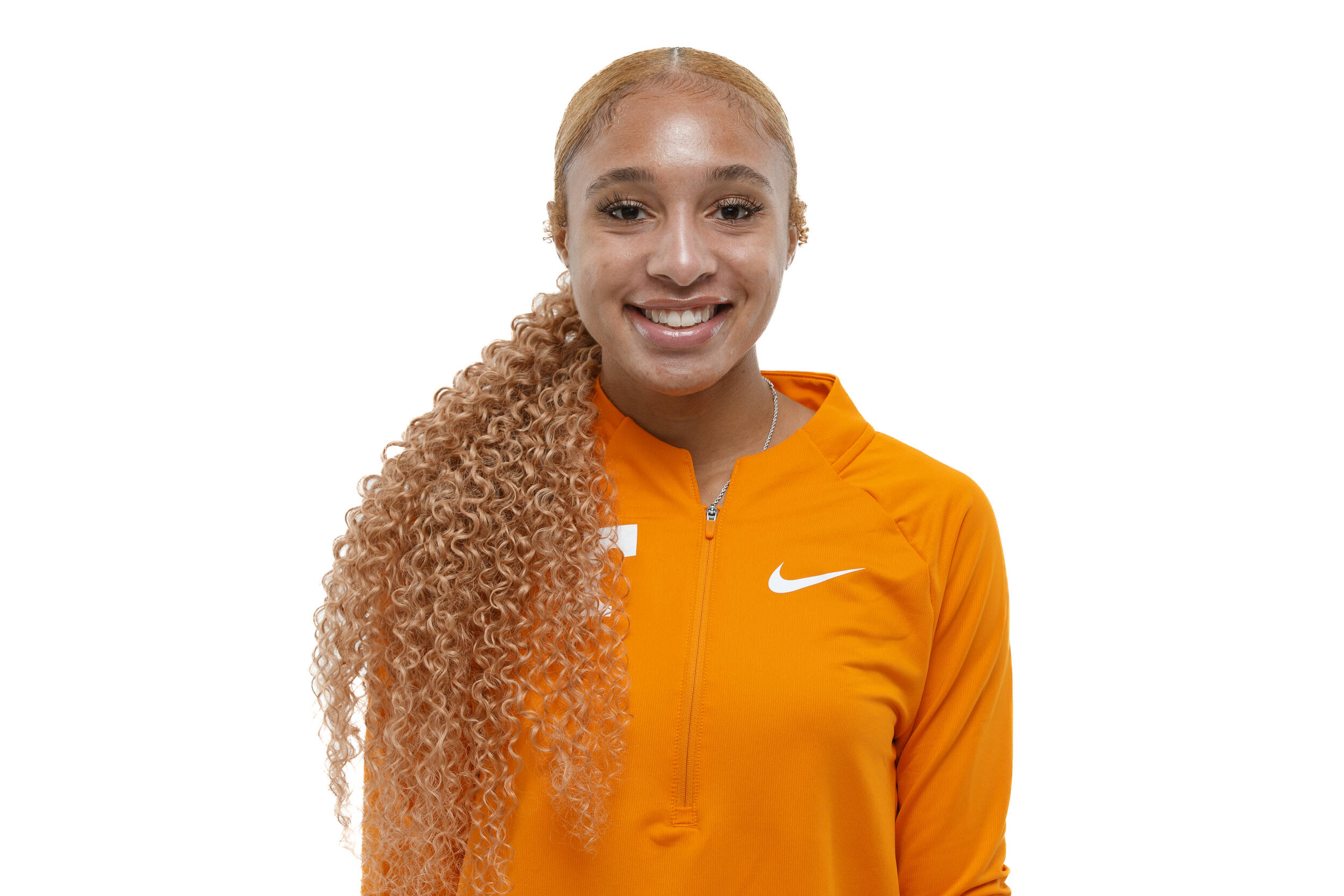
While most student nurses are balancing classes, clinicals, and academic service learning, Maia Stewart is adding a few other items to that list. Stewart, a senior from New Orleans, is a member of the Track and Field team, and a member of the Zeta Delta Chapter of Alpha Kappa Alpha Sorority. She has also completed the 1794 Scholars Program and was a 2023 EURecA Research Award Winner.

“Being a student athlete and nursing student, my days can be very tiring, tedious, and stressful,” Stewart acknowledges. “Despite the demands, I try my best to always give my all and put my best effort in any task I attempt to achieve. I like knowing that no matter the outcome, I can say I’ve tried my best.”

Stewart’s passion for nursing was sparked by her mother, a registered nurse who imparted values of compassion and care.

“My mother showed me the importance of nursing growing up,” said Stewart. “Her critical thinking and knowledge allowed situations such as an accidental stab wound, or a broken finger, to be calm, and resolved without emergency services.”

When Stewarts grandfather became ill, it was her mother who served as the primary caretaker.

“Her care during that situation taught me the true importance of a great nurse and inspired me to be the same helpful individual in the lives of others,” said Stewart.

As Stewart began her studies at UT, she knew her journey to her nursing degree would be different than her peers. As a student athlete her schedule would be rigorous, but it did not halt her desire to make a difference in the care of patients.

“I want to be a nurse because I would like to provide quality care, comfort, and be a supportive individual to people seeking health care,” she explains.

As Stewart reflects on her favorite memories at UT, she recalls a moment with a patient on her birthday.

“I did not plan on celebrating my birthday because I had an 8-hour clinical, track practice, then clinical the next day,” said Stewart. “So, I spent my birthday in a waiting area with my assigned patient, holding conversation and getting to know each other while we waited for her diagnostic stress test. In this conversation, it came up that it was my birthday. Before I left, she had her partner bring me some flowers in a beautiful vase, with a sweet note to thank me and wish me a happy birthday.”

This extremely unexpected gesture reminded Stewart that her journey to becoming a nurse was worth it and reinforced her desire to serve others.

“Individuals have inspired me on my journey through telling me that I have made their day better, time in the hospital better, and compliments such as they believe I will be a great nurse in the future,” said Stewart.

Looking ahead, Stewart’s goals are grounded in a commitment to continuous growth and excellence.

“My career goals are to become a competent nurse, and possess critical thinking skills to solve any problem,” she says.

Throughout her time at UT, Stewart has been inspired by the support of her professors and mentors, who have played a pivotal role in shaping her development. Their dedication has fueled her aspirations and instilled in her the confidence to pursue her dreams.

CONTACT:

Kara Clark (865-974 9498, [email protected])