Nursing Receives $1 Million Gift to Support Student Scholarship, Success
The University of Tennessee, College of Nursing recently received a $1 million award from the Bedford Falls Foundation-DAF to support undergraduate nursing programs. The award will establish the Joanne and William Conway Nursing Scholarship, and the Joanne Barkett Conway Angel’s Wings Emergency Fund.
The Bedford Falls Foundation, a private foundation, and the Bedford Falls Foundation-DAF, its associated donor advised fund, were each established by Carlyle Group co-founder and co-chairman Bill Conway, Jr. and his late wife, Joanne Barkett Conway, focuses its philanthropy on nursing education.
“We are committed in providing support to high-quality nursing education at institutions like the University of Tennessee,” said Bill Conway. “Our goal is help reduce the financial burden and provide an opportunity for the next generation of nurses to enter the field without the weight of student debt.”
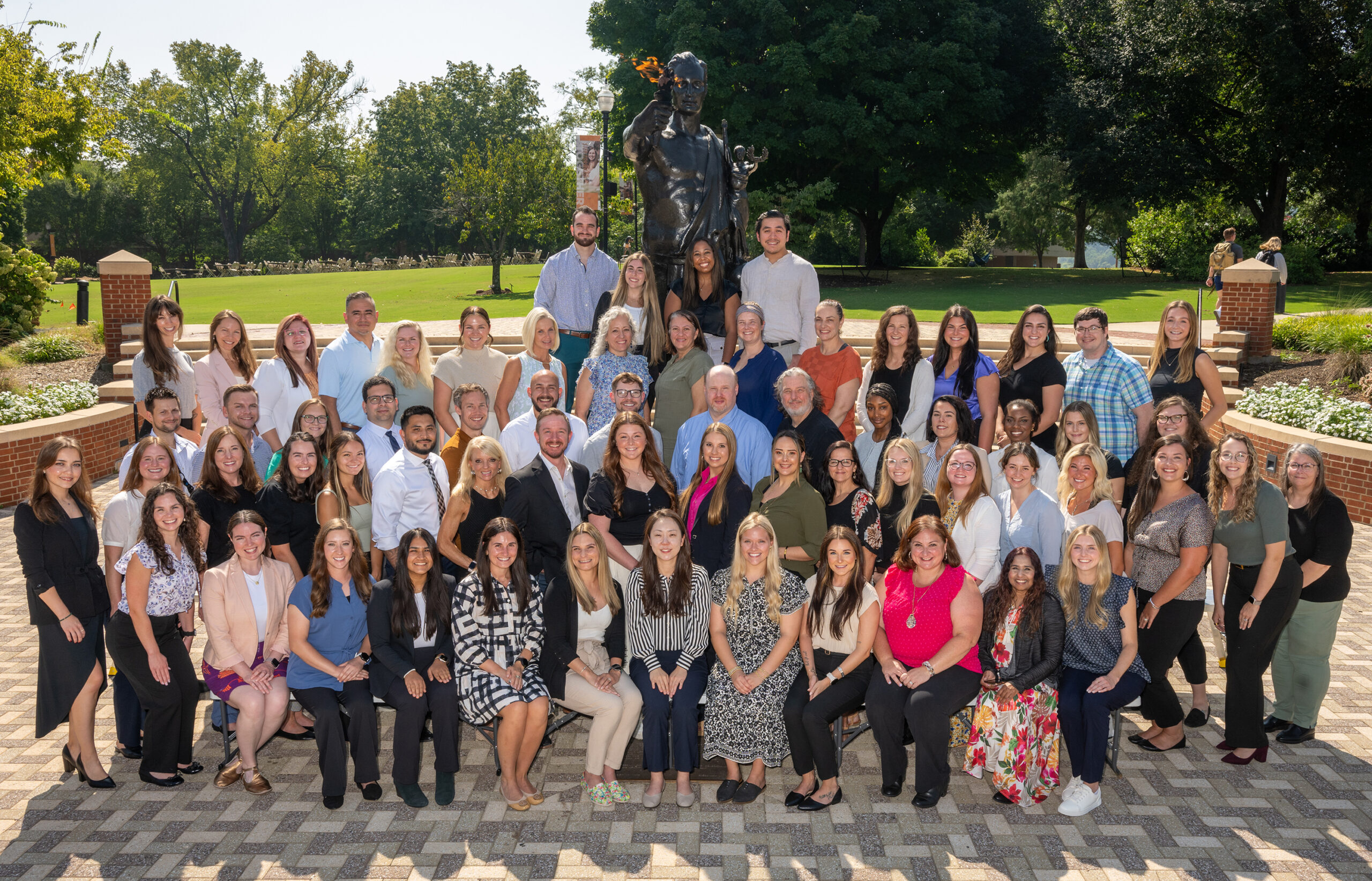
The Joanne and William Conway Nursing Scholarship will provide scholarships to 60 Bachelor’s of Science in Nursing students over the course of three years. These students will be referred to as the Conway Scholars. Each student will receive $8,750 on average each year.
The Joanne Barkett Conway Angel’s Wings Emergency Fund will provide emergency assistance to nursing students facing financial hardship.
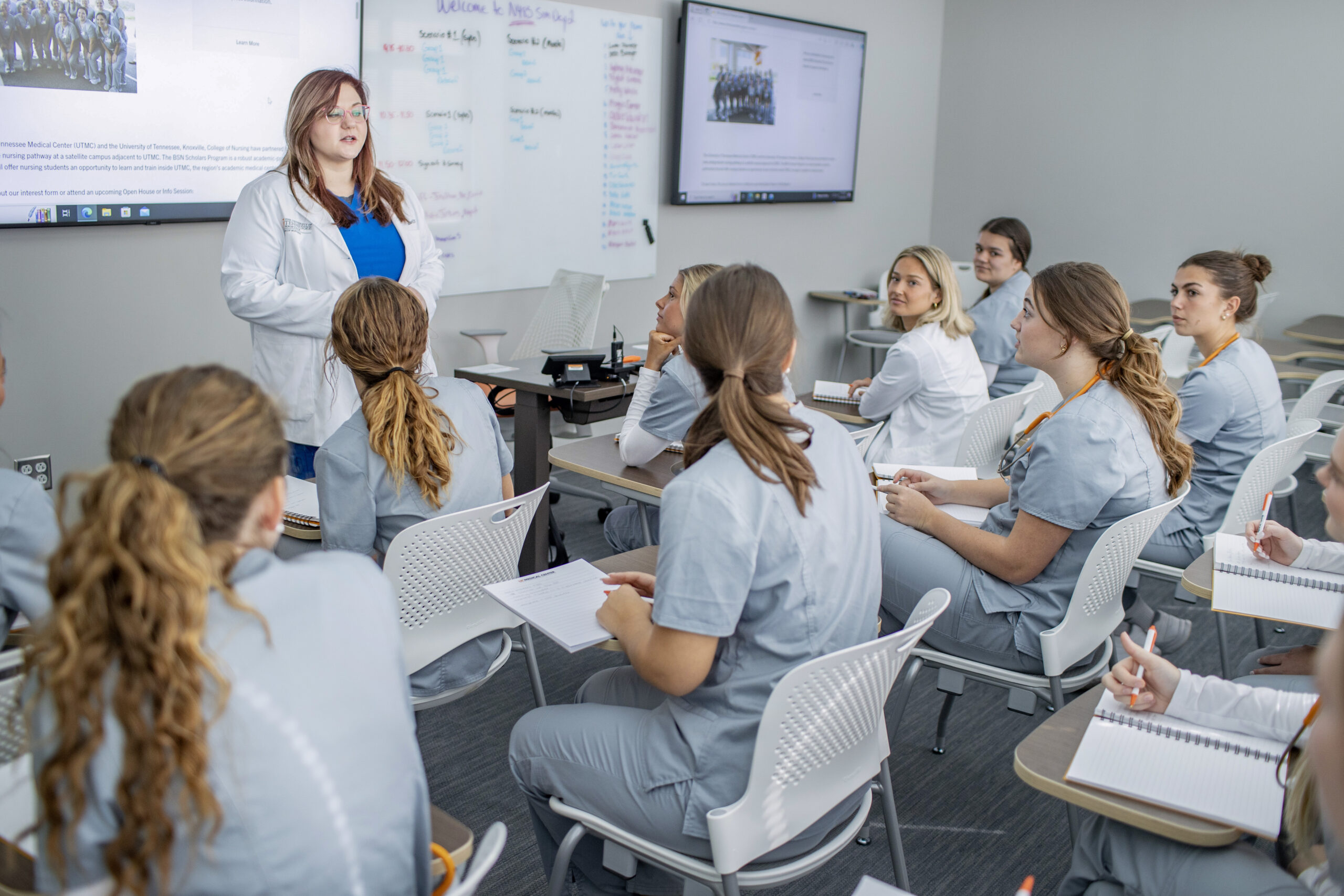
The gift will also support a new full-time Student Success Coach in the college. This full-time employee will support BSN students during their educational journey. The Student Success Coach will help students progress successfully through the BSN program through time management techniques, nursing-specific “study smarter” skills, goal-setting exercises, connections to barrier-reducing resources, and more student-tailored coaching services.
“This incredible gift from the Bedford Falls Foundation will have a profound impact on our nursing students,” said Victoria Niederhauser, dean of the college. “The scholarship and emergency fund will provide much-needed financial support, while the addition of a full-time Student Success Coach will ensure our students receive the guidance they need to thrive. This investment in nursing education comes at a crucial time as we work to address the growing nursing workforce shortage.”
The United States is projected to experience a shortage of Registered Nurses (RNs) that is expected to intensify as Baby Boomers age and the need for health care grows. Compounding the problem is the fact that nursing schools across the country are struggling to expand capacity to meet the rising demand for care.
The Bedford Falls Foundation focuses primarily on access to high-quality nursing education and supports nursing schools in addressing the critical nursing workforce shortage.
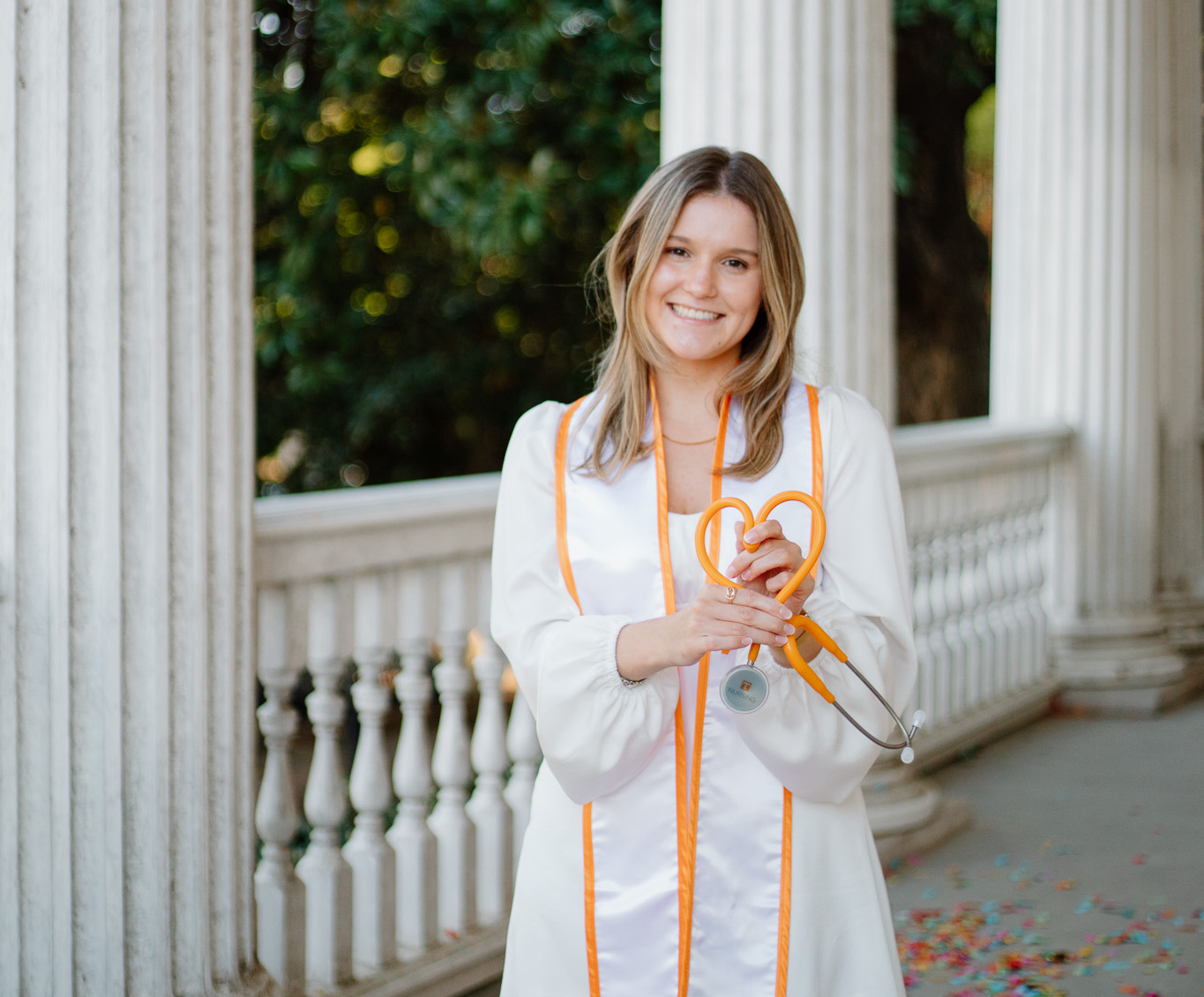
From the moment she encountered compassionate nurses during her own health care experiences, Olivia Gaar knew she wanted to follow in their footsteps.
“I decided to go into nursing because of the amazing nurses I met when I had to interact with health care teams growing up,” Gaar said. “They were kind, knowledgeable, and made a real difference in people’s lives, and that really stuck with me.”
She was also driven by the endless possibilities within the nursing field.
“There’s always something new to learn, whether it’s a different specialty, advanced practice, or leadership roles,” she added. “The idea of a career that challenges me while allowing me to help others just felt like the perfect fit.”
Over the last four years, Gaar has grown in more ways than she could’ve imagined.
“Nursing school has taught me resilience, organization, and how to believe in myself even when things feel overwhelming,” she shared.
Gaar has fully embraced her time at UT, combining academics, research, leadership, and service. She’s part of the Honors Cohort, completed an independent research project on Mastery Learning, earned a EURēCA Research Award, and presented at both National Conference on Undergraduate Research and the Tennessee Simulation Alliance Conference.
In addition to her academic achievements, Gaar has been a leader on campus. She’s served on the College of Nursing Curriculum Committee, held key roles in SGA, including Student Services Director, and represented UT twice at the SEC SGA exchange. She’s also been the Scholarship Chair for her sorority and a Peer Learning Assistant at the Vol Study Center.
Gaar was also received the 2025 Chancellor’s Leadership and Service Award. This award honors graduating students who are extraordinary campus leaders for their significant service to others.
“I wouldn’t be able to do everything I do on campus without the incredible support I’ve received from faculty, staff, and different campus resources,” Gaar said. “The professors are always willing to answer my questions and provide guidance, which has helped me navigate the challenges of nursing school.”
Throughout it all, she credits her mentor, Susan Hébert, for helping her grow in confidence and encouraging her every step of the way. “She genuinely cares and always pushes us to be our best,” Gaar said.
Gaar will be joining the University of Tennessee Medical Center’s 5 West oncology unit after graduation
“I’ve always loved the resilience and strength of oncology patients, and I know this specialty will allow me to build meaningful connections while providing care,” she added.
Davenport Selected for 2025 Edmond J. Safra Nurse Educator Program
Lisa Davenport, clinical associate professor, was recently selected to participate in the Edmond J. Safra Nurse Educator Program
Davenport traveled to Minneapolis between May 19 and 21 to participate in this program.
“The opportunity to be selected for the Edmond J. Safra Nurse Educator Program through the Parkinson’s Foundation at Park Nicollet Struthers Parkinson’s Center was a tremendous honor,” shared Davenport.
This is a train-the-trainer type program specifically focused on Parkinson’s Disease. Nurse educators who complete the training and a subsequent independent project are eligible to become part of the Parkinson’s Scholars, which allows advancement for more specialized research and scholarship.
“My motivation for Parkinson’s Disease awareness, education, and research comes from providing first-hand care to a family member who battled the disease,” said Davenport. “I unequivocally saw the day-to-day struggles he endured. However, I witnessed the impact of wellness therapies and compassion from health care providers that promoted his independence and a spirit of resilience to the inherent challenges. I want to do my part in equipping current and future nurses with the knowledge, skills, and confidence to provide safe, quality-driven, patient—and caregiver-centered Parkinson’s care.”
The Visiting Nurse Educator Program provides a valuable opportunity to develop advanced education, expand connections with scholars, and inspire a pathway of Parkinson’s focused research and scholarship.
“We must gain insight into improving care, enhancing quality of life, and advancing scientific discoveries to develop innovative therapies and ultimately find the root cause and a cure,” said Davenport.
Back to the Beginning: A Sister’s Journey to the NICU
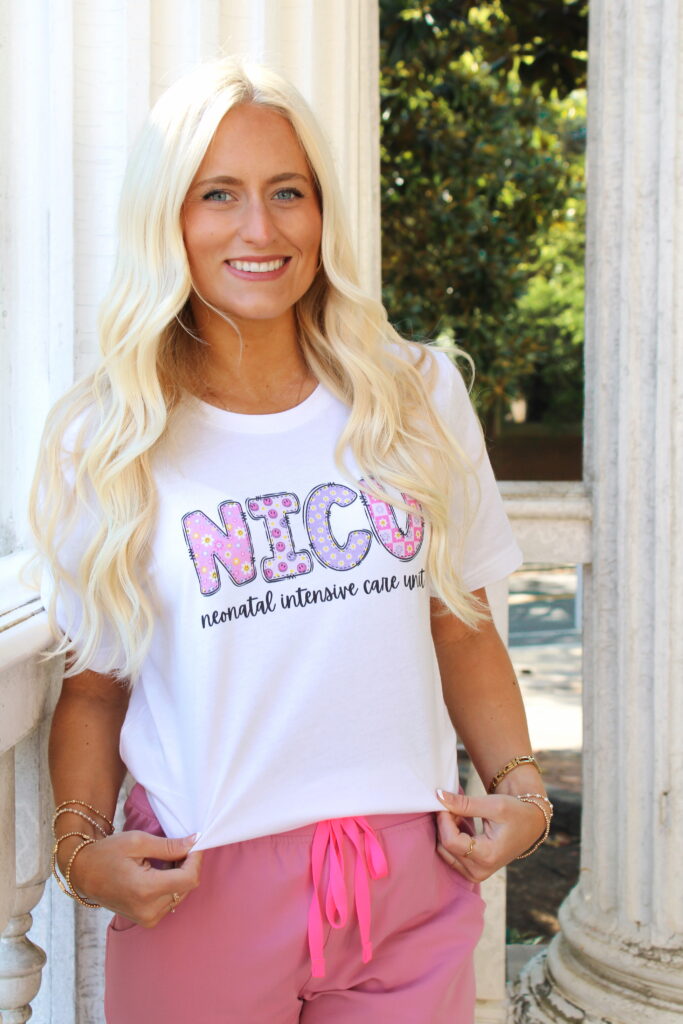
For Karli Brtalik, the path to nursing began not in a classroom, but in a hospital NICU. When her younger sister, Madison, was born with a life-threatening medical emergency, it was a team of skilled and compassionate nurses at Novant Health Presbyterian Medical Center who helped save her life—and guided Brtalik’s family through their most difficult days.
“When she was born, she was perfectly healthy,” shared Brtalik. “My mom ended up staying overnight at the hospital because she had a c-section. In the middle of the night my sister began throwing up excessive amounts of blood.”
Doctors and nurses rushed in to help and started running countless tests on the newborn to see what was wrong.
“There happened to be a doctor in that was just coming in for a consult on another patient and he wanted to just check on Madison,” she added. “The hospital fortunately had a new scope that was small enough for newborns. Dr. Attorri was able to scope her stomach and found that she had a main artery in her stomach that had ruptured.”
Madison was rushed into an emergency surgery that saved her life.
That experience left a lasting impression on Brtalik, who later grew up visiting Novant, volunteering and speaking at hospital events, and learning firsthand the difference nurses can make.
“The nurses that were with them during this time, are what got them through it,” said Brtalik. “They gave us hope and taught my parents how to care for my sister.”
That early exposure turned into a lifelong calling. When it came time to decide on a career path, Brtalik knew what she wanted to do.
The University of Tennessee (UT) was on Brtalik’s list of schools to tour when her senior year rolled around. Her entire family made the drive from Charlotte to visit campus in 2020. She immediately fell in love with UT, and knew she wanted to be a Vol Nurse.
“I loved that there was a well-respected, direct admit nursing program, and I immediately knew that this is where I wanted to go,” she added. “I have three younger sisters who toured with me. I was the first in my family to come to UT, but two of my younger sisters, including Madison, followed in my footsteps.”
During her time at UT, she has been actively involved as a member of the Student Nurses Association, and Phi Mu. However, it was the Precious Prints Project that made the biggest impact on Brtalik.
“I decided to interview for the Precious Print Project as a sophomore,” she added.
Brtalik was one of five students selected to join the program, out of numerous applicants.
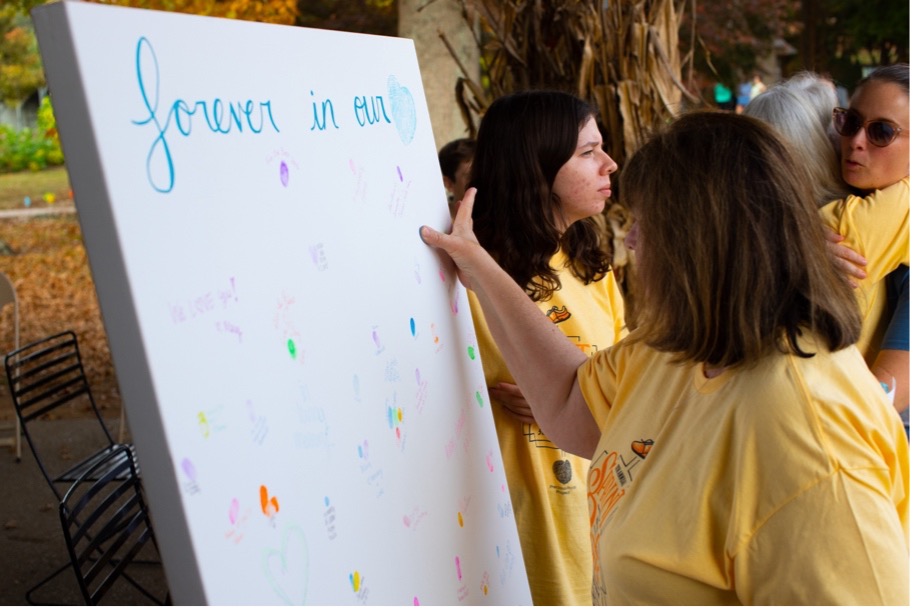
The Precious Prints Project comforts grieving families with a sterling silver pendant bearing the fingerprint of their child. The project was developed at UT in partnership with Precious Metal Prints, a local business.
First launched at East Tennessee Children’s Hospital in January 2012, it has expanded to include all major health systems in Knox County and several hospitals across the US, with fundraising and project management handled by the Student Nurses Association.
The Precious Prints Project representatives attend Infant Loss Awareness Events, train hospitals on using the kits, and plan an annual fundraiser that supports the cause.
“Being able to go to events where recipients were able to come and tell us their story and the impact it our prints had was so rewarding,” shared Brtalik. “I am so grateful I interviewed for this project and have had the opportunity to be involved.”
Through her service and experience, Brtalik has worked to become the kind of nurse who leads with both knowledge and heart.
When asked what word best describes her time at UT, Brtalik said confidence.
“Choosing to attend a large university in Tennessee was out of my comfort zone,” she shared. “I was reserved, but UT has given me the confidence to interact meaningfully with patients and hear their stories. Communication was the most valuable skill that I developed during my time here, and I am excited to see how my skills will expand into the NICU setting.”
Now, as she prepares to graduate, her story has come full circle: she has accepted a position in the very same NICU at Novant Charlotte that once cared for her sister.
“This has been my dream since I was a teenager,” Brtalik added. “The fact that I am going to have the opportunity to impact families at Novant the way mine was impacted is truly a gift.”
College of Nursing Among Top Public DNP Programs, U.S. News and World Report Rankings
The College of Nursing DNP program at the University of Tennessee, Knoxville, ranked among the top 25 public universities in the U.S. News & World Report’s 2025-2026 Best Graduate Schools ranks released on April 8.
In the new rankings, the college’s DNP program is ranked 22nd among public DNP programs. That is the highest ranking that the DNP program has placed. The college has moved up significantly in rankings over the years. The program has climbed over 16 spots since 2021, when it was ranked 38th among publics.
“We are incredibly proud that the College of Nursing has been recognized in the top 25 among publics,” said Victoria P. Niederhauser, dean of the college. “This achievement reflects our commitment to excellence in nursing education and our mission to prepare the next generation of advanced practice nurses who will lead and innovate in health care.”
The Best Graduate Schools rankings evaluate programs in a variety of disciplines, including business, education, engineering, law, and nursing. Rankings in these areas are based on two types of data: expert opinion about program excellence and statistical indicators that measure the quality of a school’s faculty, research, and students.
The rankings are categorized for the year following their release because they are intended to help prospective students make decisions.
Visit U.S. News & World Report’s Best Graduate Schools for more information on graduate school rankings.
The Many Hats of a Nurse: Celebrating National Nurses Week
Nurses are the backbone of health care, providing compassionate care, advocating for patients, and innovating for the next generation. While many picture nurses at the bedside, their impact stretches far beyond hospital walls. At the College of Nursing, nurses are educators, researchers, community advocates, and leaders in the health care industry. This National Nurses Week, we celebrate the many hats that nurses wear and highlight their roles in improving health outcomes across Tennessee and beyond.
Educators Shaping the Next Generation
Behind every great nurse is a mentor who inspired and guided them. Faculty members at the College of Nursing do more than teach. They shape the future of nursing by equipping students with the skills, knowledge, and confidence needed to succeed.
Vivian Rookard, program chair for the BSN Scholars program, believes that education is the foundation of progress in health care.
“Some of the most essential values nurses could carry forward in their careers are advocacy, empathy, commitment to safe care, and dedication to lifelong learning,” shared Vivian Rookard, clinical instructor at the college. “As a nurse educator, I strive to model these values in my teaching and practice. I encourage students to reflect on what it means to be an advocate. Advocating for their patients, themselves, and the nursing discipline. I provide examples to help them see how this can look in their own careers. I urge nursing students to find and use their voices, teaching them that speaking up, combined with critical thinking, is key to keeping both patients and themselves safe. I emphasize the importance of caring for the whole person, recognizing that well-being goes beyond diagnoses and clinical symptoms, and that each patient’s needs are unique. I also remind students that learning is a lifelong journey, and no matter where they are in their career, whether as students or experienced nurses, they should always strive to expand and update their nursing knowledge.
Advocates for Community Health and Engagement
Nurses play a vital role in bridging health care gaps. As advocates for community health, we recognize that our efforts extend beyond clinical settings. It involves engaging with community members, understanding their unique needs, and collaborating with local organizations to create sustainable health initiatives.
Through outreach programs, health fairs, and educational workshops, we strive to build a healthier Tennessee where everyone can thrive.
The Center for Nursing Practice (CNP) is committed to this vision, continually seeking innovative solutions and partnerships to ensure that quality health care is within reach for all Tennesseans.
One notable initiative under the CNP is the Vine School Health Center, founded in 1995.
This full-service pediatric clinic, located at Vine Middle Magnet School in Knoxville, Tennessee, is a joint cooperative between the College of Nursing and the Knox County Schools Health Services Department.
The clinic’s mission is to serve students with limited access to health care and improve the overall health and wellness of Knox County children.
Supported by patient fees and various grants, the center has successfully implemented telehealth services and social work services, providing mental health care and case management to students in need.
Another impactful project under the CNP is the Precious Prints Project®.
Developed at the University of Tennessee, Knoxville, College of Nursing in partnership with Precious Metal Prints, this project comforts grieving families with a sterling silver pendant bearing the fingerprint of their child.
Since its launch at East Tennessee Children’s Hospital in January 2012, it has expanded to include all major health systems in Knox County and beyond.
The Student Nurses Association manages fundraising and project implementation, extending support to over 2500 families.
Innovators in Nursing Research
From studying social determinants of health to leveraging technology for better patient care, nurse researchers are at the forefront of medical advancements. Their work doesn’t stop at the bedside. It extends into data science, health policy, education, and innovation, helping shape the future of care delivery across Tennessee and beyond.
In recognition of this leadership, the College of Nursing was tasked with co-leading the campus-wide precision health and environment initiatives. These efforts bring together experts in artificial intelligence, health informatics, epidemiology, environmental health, and more to tackle some of the state’s most pressing health challenges through interdisciplinary collaboration.
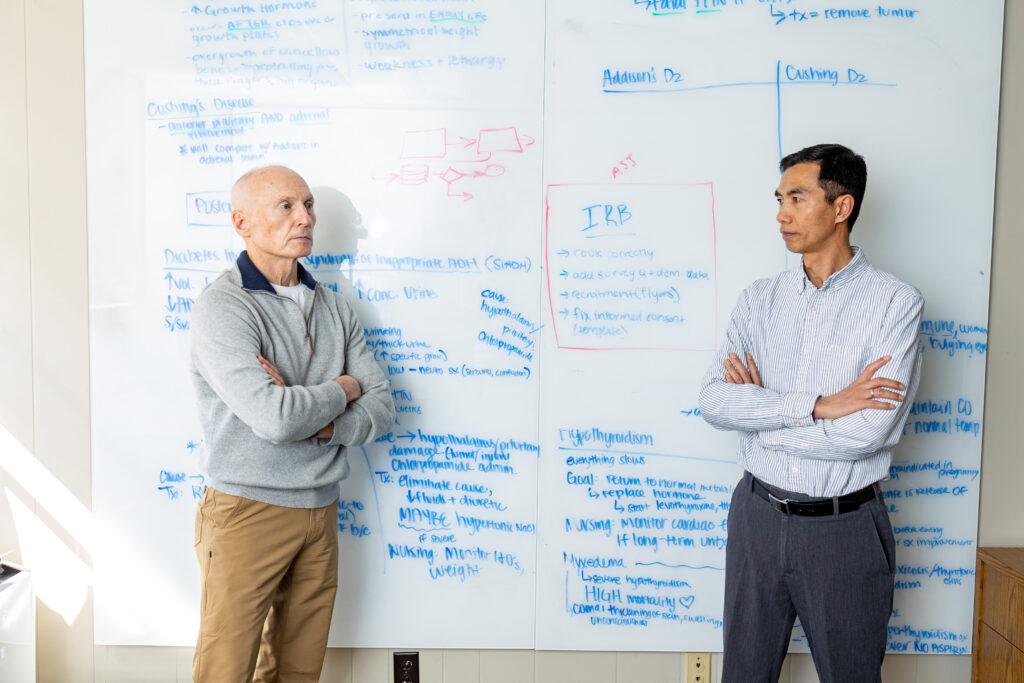
At the center of this work is the Applied Systems Laboratory (ASL), a partnership that focuses on solving complex healthcare problems that affect entire communities. ASL uses advanced tools such as systems modeling, artificial intelligence (AI), and machine learning—to identify root causes of issues like fragmented care, chronic disease, and health inequities.
One of ASL’s leading initiatives is an automated cancer staging platform that uses natural language processing to pull critical details like tumor size and type from pathology reports. What once took hours can now be done in seconds, helping doctors make faster, more accurate decisions and improving outcomes for patients, particularly in rural areas where delays in staging can limit treatment options.
ASL is also driving rural health innovation through the development of a precision health toolkit. This platform brings together electronic health records (EHR), social and environmental data, and predictive modeling to help tailor interventions for both individuals and entire populations. Telehealth, remote monitoring, and input from community partners ensure that the system reflects the realities of life in underserved regions.
This commitment to precision health is also seen in the TennWell Project, another major research initiative housed within the college.
Led by Ji Youn Yoo, the TennWell team is studying how multiple factors—such as trauma, stress, and gut health- interact to affect adolescent well-being and academic performance. The project uses machine learning and large, diverse datasets to uncover insights that could inform more effective health interventions and policies.
“Our research aims to uncover connections that can inform better health care practices and policies,” Yoo explains. By looking at how physical, emotional, and environmental health are linked, TennWell seeks to help students thrive both in and out of the classroom.
Leaders in the Health Care Industry
Many graduates of the College of Nursing go on to become leaders in hospitals, health care organizations, and policy-making bodies. Alumni like Elizabeth Brownlie (’12) have taken their nursing expertise into business ownership, working to put patient-first care at the forefront of her work.
“Focusing on hearing my patients’ story has really been effective in my practice and has really made practice much more productive,” shared Brownlie.
Brownlie’s journey shows how nursing leadership extends far beyond the bedside. As the owner of her own practice, she has built a model of care that centers on listening, empathy, and trust. Principles rooted in her nursing education. Rather than seeing patients as a checklist of symptoms, Brownlie prioritizes their full stories, ensuring they feel seen, heard, and respected. This approach has not only improved the patient experience but has also led to more efficient and effective care outcomes.
By blending clinical expertise with an entrepreneurial mindset, Brownlie is showing how nurses can shape the future of health care delivery. Her work is a powerful reminder that nurses bring a unique perspective to leadership. One that values both evidence-based practice and the human connection. In doing so, she’s paving the way for more nurse-led models of care that truly put patients first.
Future Nurses Making an Impact
Future nurses are already leaving a lasting impact. Each wearing different hats but united by a common purpose: to serve, to lead, and to advocate.
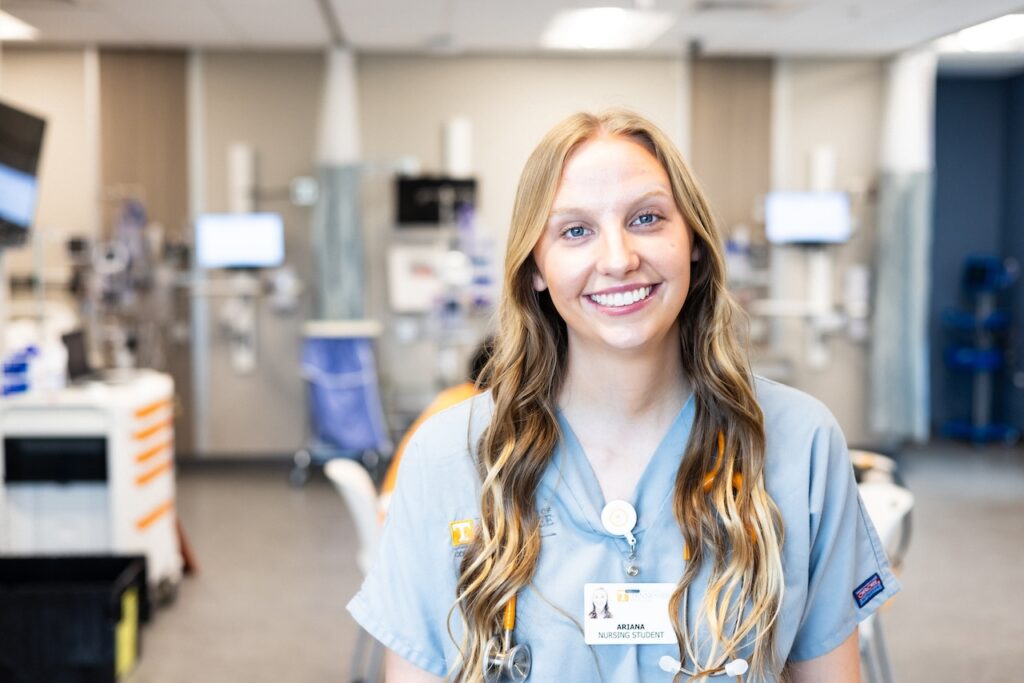
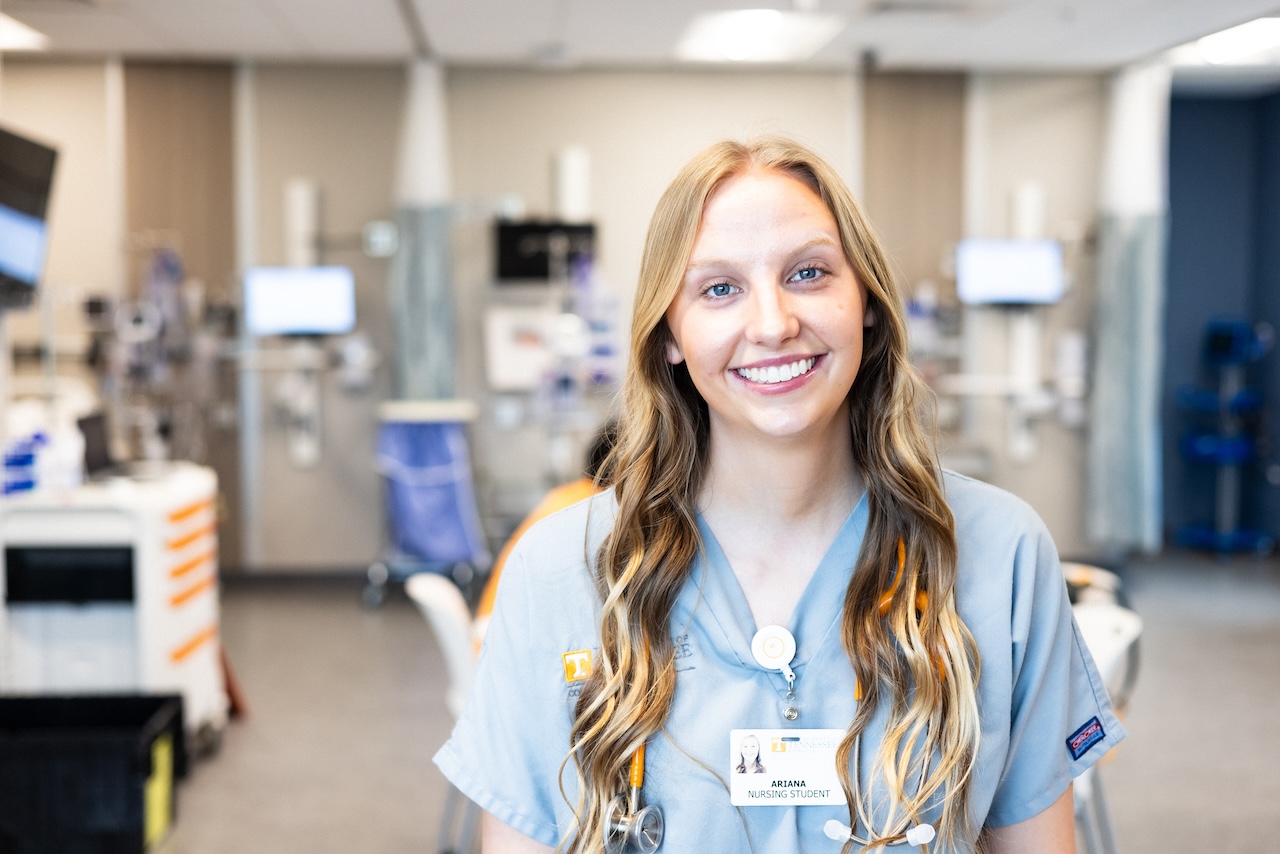
Ariana Kerney, a former competitive gymnast turned aspiring ICU nurse, was drawn to the field by the quiet strength of the nurses who once cared for her. Her faith and resilience carried her through the challenges of nursing school, where she learned that a nurse’s presence can be just as healing as any treatment.
Inspired by a preceptorship moment where a nurse’s final words brought peace to a patient, Kerney now sees critical care nursing not just as a career, but as a calling to walk with patients in their final moments with dignity and grace.
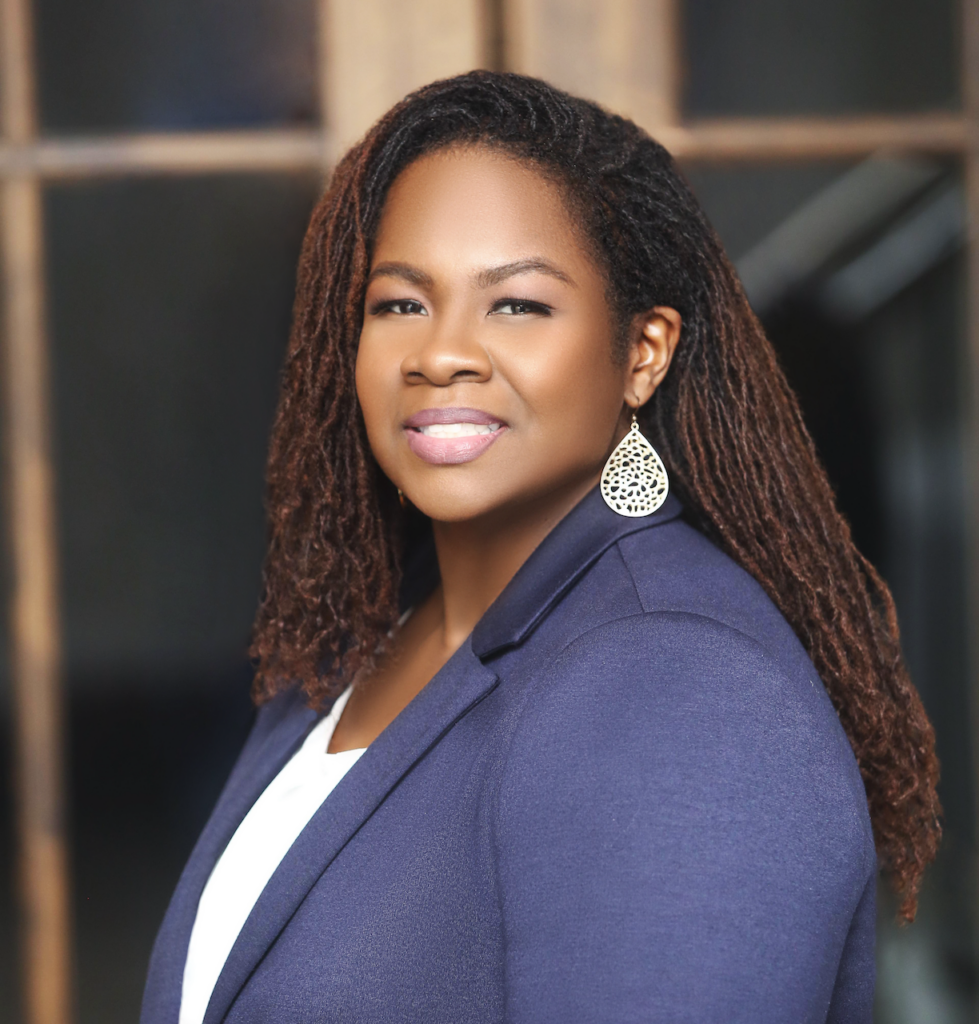
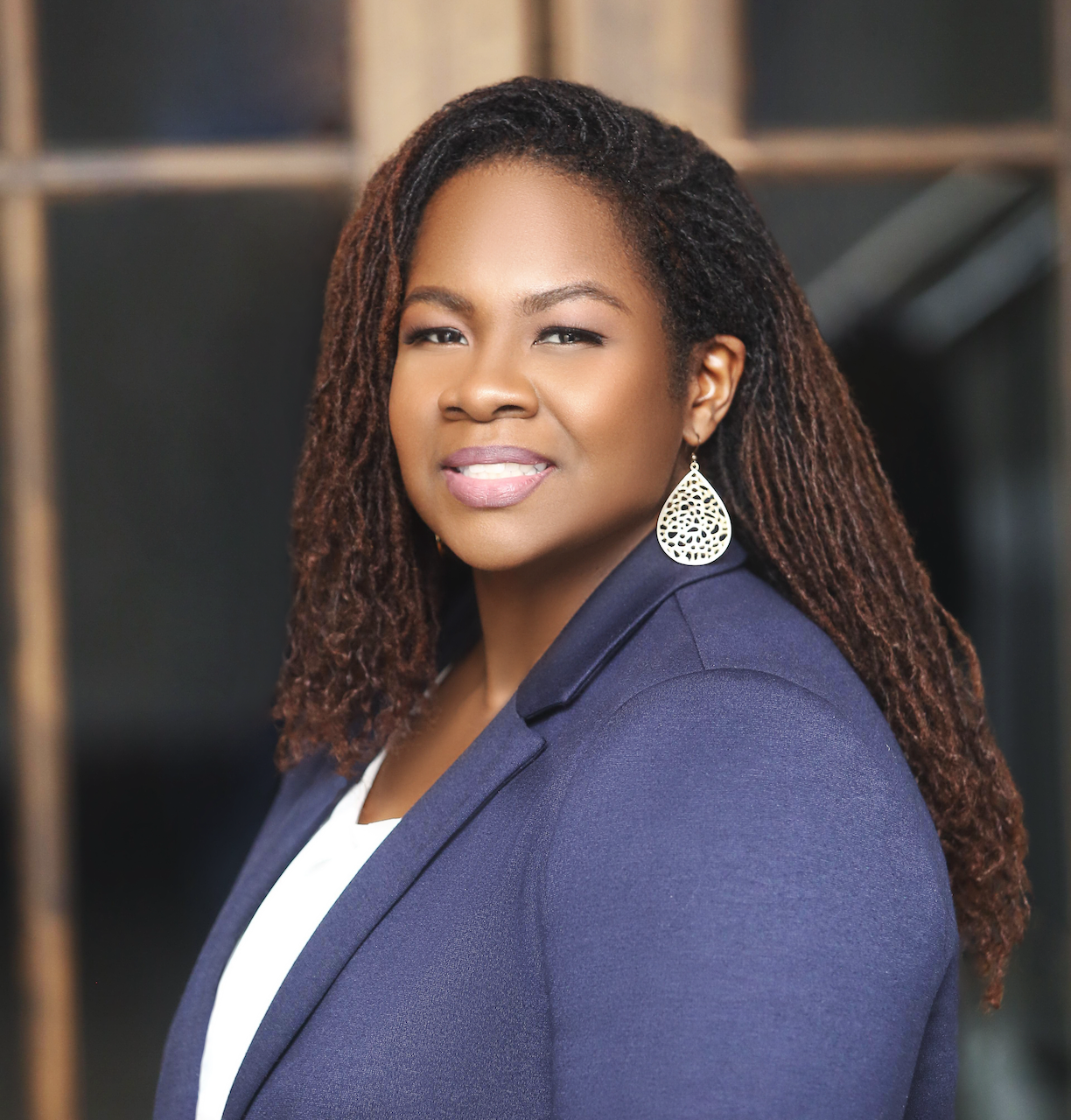
Courtney Pitts, a PhD student, exemplifies another sector of nursing leadership. With years of experience directing nationally ranked nurse practitioner programs, Pitts is channeling her expertise into research on how state-level policies affect access to care, especially in underserved communities. A dedicated mother, mentor, and public servant, Pitts is shaping the future of nursing education and policy.
Her leadership has been recognized at the highest levels, including an appointment to the National Advisory Council on Nurse Education and Practice.
A Legacy of Care and Commitment
This National Nurses Week, we honor the nurses who dedicate their lives to serving others in every capacity. Whether they are at the bedside, in the classroom, leading research, advocating for communities, or driving health care policy, nurses are indispensable. Their work touches lives in ways both seen and unseen, ensuring a healthier future for all.
To all nurses, thank you for the many hats you wear and the immeasurable impact you make. Happy National Nurses Week!
For Ariana Kerney, the journey to nursing began long before she stepped foot on campus.
As a competitive gymnast for over a decade, she spent countless hours in medical offices, recovering from injuries and interacting with various health care professionals. But it was the nurses who left a lasting impression on her. Their selflessness, compassion, and unwavering dedication to patient care inspired her to follow in their footsteps.
“Nurses were the direct line to the care I received, and I wanted to be that line for others,” Kerney shared. “What struck me the most was their role as advocates. They go to battle every day for patients who are unable to speak for themselves. That characteristic of nursing resonated deeply with me, and I knew I wanted to be that voice for others.”
Kerney has spent the last four years growing not only as a future nurse but as a person at UT.
While the academic demands of nursing school were challenging, she found strength in her faith, realizing that striving for perfection wasn’t the key to success. Instead, she focused on resilience and doing her best, knowing that her purpose in nursing extended far beyond grades.
“I had to shift my perspective on where I was placing my hope,” shared Kerney. “I couldn’t rely on my grades, my friends, my professors, my family, or even myself to provide lasting fulfillment—ultimately, all these things will fall short. I learned that the only place I can truly place my hope, and trust is in the Lord, because He is the only one who will never fail me.”
One of the most defining moments of her education came during her 144-hour ICU preceptorship. During a shift, she and her team responded to a rapid response in a medical-surgical unit. A patient, who had been alert just minutes earlier, suddenly deteriorated. Amidst the chaos, Kerney watched as a critical care nurse calmly assessed the situation and, most importantly, reassured the patient with kind, comforting words.
“People get this look of fear when they are about to crash, and I remember the nurse holding the patient’s hand, telling them that their family loves them and that we would do everything we could to help,” she recalled. “Those ended up being the last words that patient heard. It was a moment that reinforced my calling to be an ICU nurse—where every second matters, and where compassionate words can bring peace in a person’s final moments.”
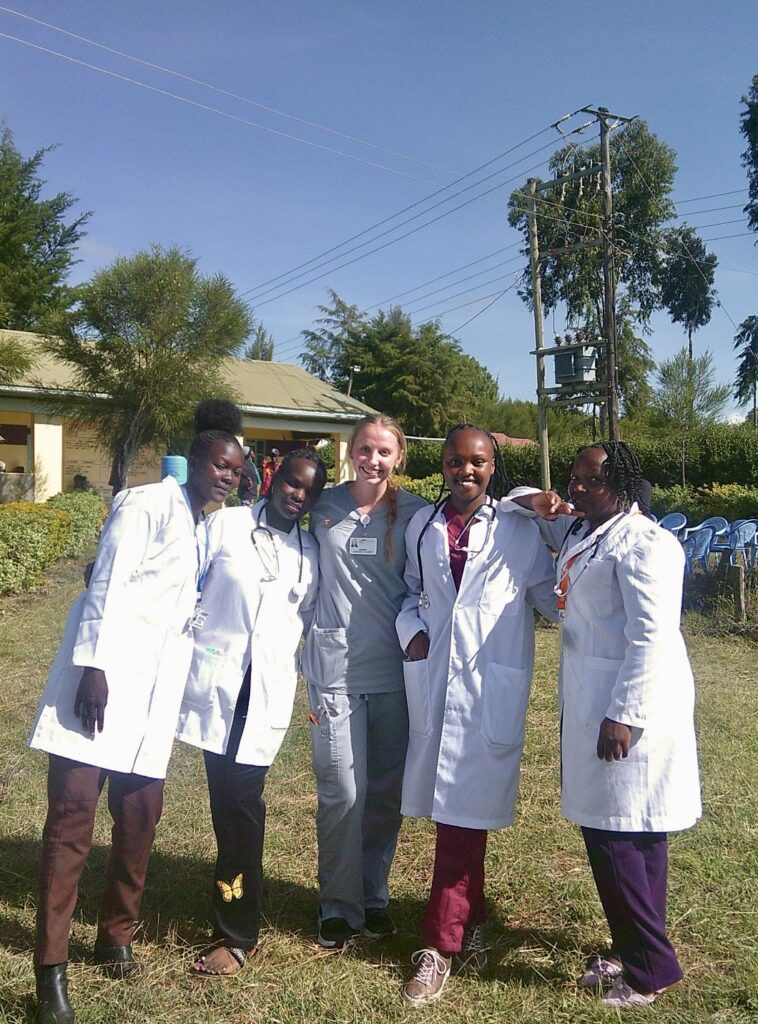
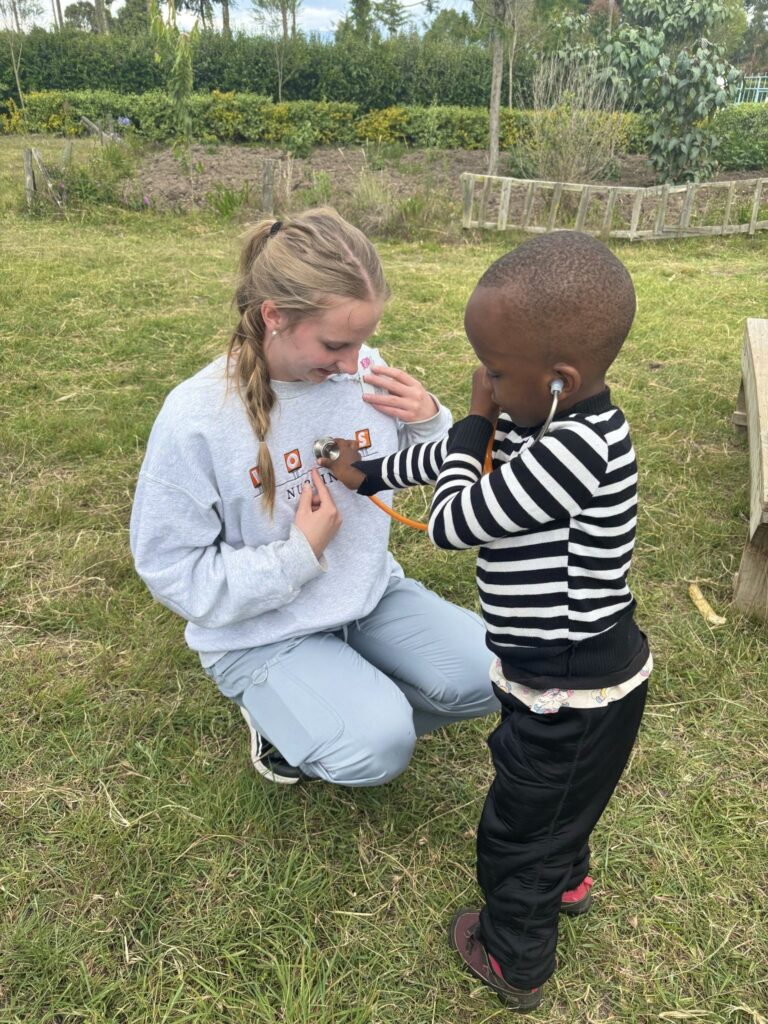
Kerney’s experiences at UT extended beyond the classroom and clinical rotations. She found inspiration from faculty member like Susan Hebert and Nan Gaylord, who led a medical trip to Kenya that impacted her perspective on health care.
“They led so well and watching their passion for health care in Kenya and the humility that they showed in serving these people was really beautiful,” Kerney added. “This trip taught me about the power of humility and the importance of approaching health care with empathy and service.”
Upon graduation, Kerney will step into her role as an ICU nurse, fully embracing the responsibility of caring for critically ill patients.
“In the ICU, we are often the last voice a patient may hear as they take their final breaths. The gravity of that responsibility is something I hold in high regard,” she said. “I’ve seen firsthand how a simple act of kindness—a reassuring word, a gentle touch—can bring peace even in the hardest situations. That is the kind of nurse I aspire to be.”
She sees it as both an honor and a privilege to stand beside patients and their families in their most vulnerable moments.
Beyond her individual impact, Kerney hopes to be an advocate for systemic change in health care. She believes that true progress begins at the community level and is committed to using her role as a nurse to drive meaningful improvements in patient care.
Reflecting on her journey, Kerney encourages future nursing students to step into leadership roles early on.
“Nursing isn’t just about learning skills—it’s about developing the ability to advocate for yourself, your patients, and your profession,” she shared. “Don’t be passive. A passive nurse does not make a good nurse. Stand up for what’s right, push for change, and be a voice for those who need one.”
From a young age, Elizabeth Brownlie (’12) knew she was drawn to the medical field. Growing up in Knoxville, her first exposure to health care came as a candy-striper at the old St. Mary’s Hospital.
“I absolutely loved being in that hospital,” Brownlie shared. “I loved walking the halls, seeing all the different jobs and departments. It was like its own little city there. I did all kinds of jobs at St. Mary’s, but when I finally got accepted to do the volunteer nursing program, I knew I wanted to work in that setting.”
After high school, she pursued pre-med studies at Washington University in St. Louis. However, after shadowing various medical professionals at Barnes Jewish Hospital, she realized that nursing, rather than medicine, was her true calling.
This revelation led her to transfer to the University of Missouri in St. Louis, where she earned her nursing degree in 2002. She began her career as a registered nurse at St. John’s Mercy, navigating long shifts in med-surg and ICU while balancing the joys and challenges of new motherhood.
After welcoming her second child, she and her family returned to Knoxville to be closer to loved ones.
“I was lucky enough to stay at home to raise our children until they started school, and at that time I decided to go to the University of Tennessee Knoxville for the master’s program,” Brownlie said.
Her time at college provided wonderful experiences, including a pivotal clinical rotation with nurse practitioner Martha Clinton in Sevierville.
“She was the first nurse practitioner I had seen with her own primary care office,” added Brownlie. “I did not even realize this was a possibility.”
For nearly nine years, she dedicated herself to primary care, but in 2021, during the COVID-19 pandemic, she faced an unexpected setback. She was let go from her job and left feeling devastated.
“I was so angry that this corporate medical system put so much emphasis on money and the bottom line that they truly did not care how staff and patients were treated,” she added. “I was so worried as to who was going to take over care for all of these people I’ve treated for years.”
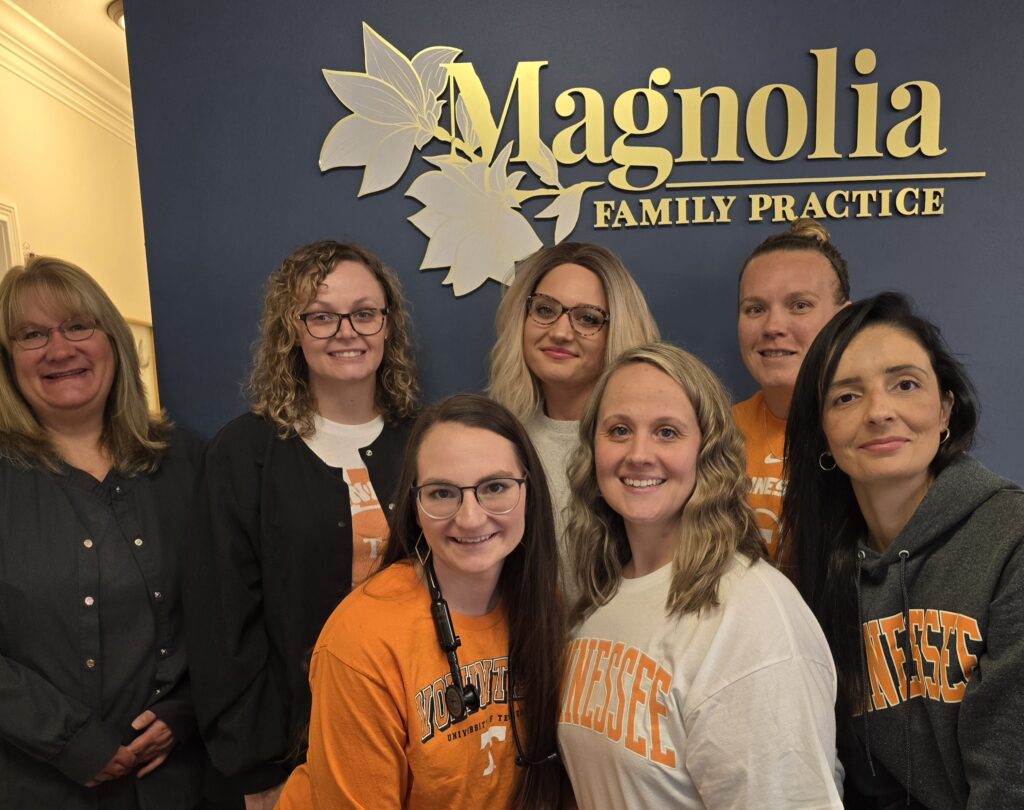
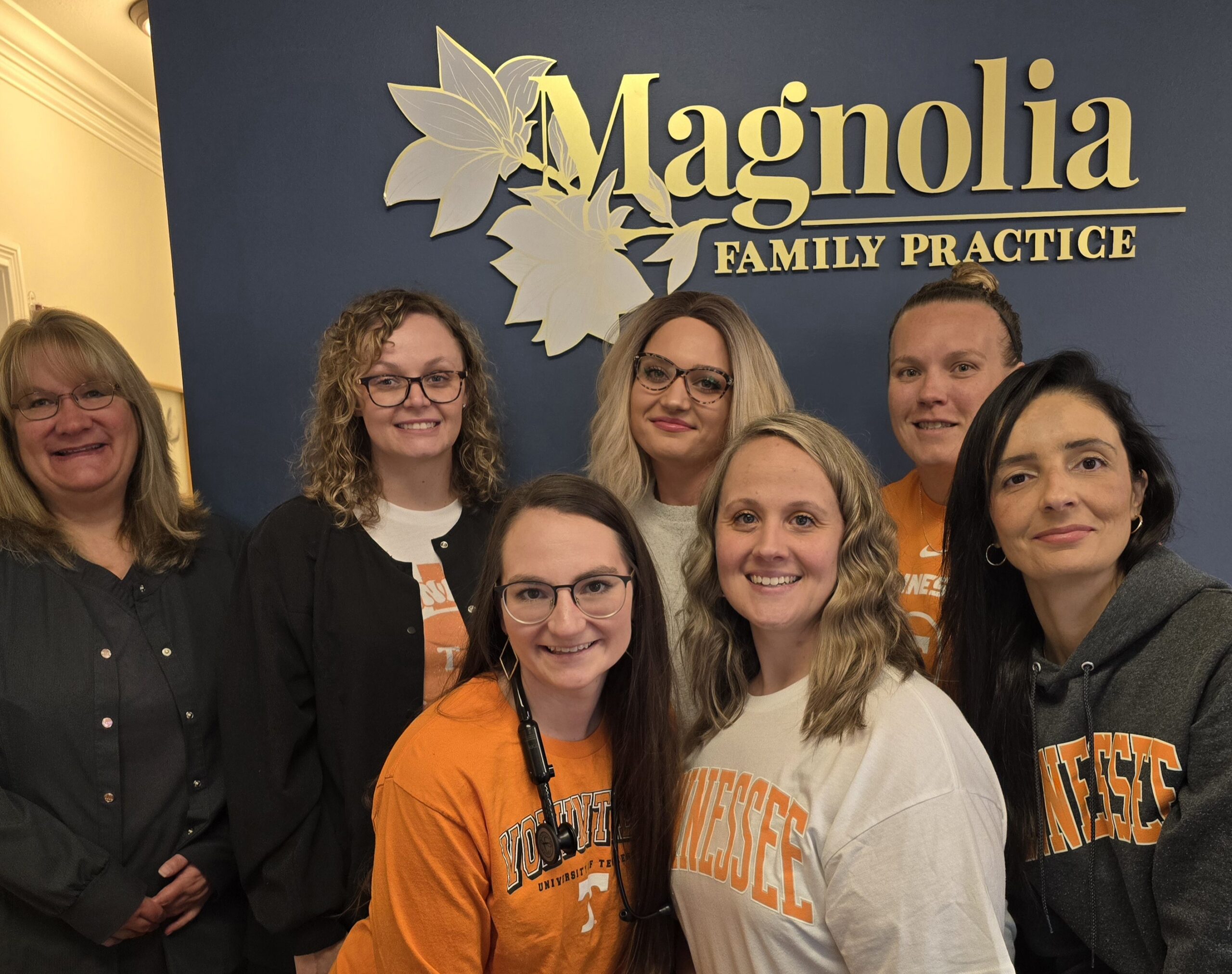
Rather than let this defeat define her, she took a bold step forward. Within four months, she launched Magnolia Family Practice, determined to create a patient-centered, community-focused health care environment.
Building her practice was no small feat, but with the support of dedicated colleagues, the practice steadily grew.
“When I decided to open a primary care practice, I knew our team was the most important thing to run our office,” said Brownlie. “We were going to do things differently. I was lucky enough to have Donna Bryzek and Alex Jones take a huge leap of faith to help me start this dream up. They left good-paying, solid jobs to do this. We slowly grew our patient load as well as our staff.”
The now-famous “MFP Dream Team” operates on principles of respect, empathy, inclusivity and teamwork, ensuring that every patient is heard and valued.
Reflecting on her time at UT, she credits the college for instilling a strong foundation in evidence-based practice and critical thinking.
“The importance of keeping up with the most current management of health and really thinking about what is going on with a person head to toe is vital,” she added. “Dr. Pierce would give us a case study and have us make a list of all possible causes. That still sticks with me today to remember to not jump to conclusions, think about all possibilities as well as the possibility of more than one cause.”
Brownlie also believes in the importance of lending a listening ear to patients and accredits UT for that value.
“It was such a small thing, but I remember in one of our lectures a speaker expressed the importance of listening to patients,” she shared. “The speaker provided evidence that patients are interrupted quickly, on average, into a visit and then interrupted frequently. It’s such a small thing but, focusing on hearing my patients’ story has really been effective in my practice and has really made practice much more productive.”
Beyond her own journey, she is passionate about advocating for nurses, particularly nurse practitioners. She emphasizes the need for Full Practice Authority, pushing back against outdated perceptions that diminish the profession’s role in health care.
Through it all, she remains deeply grateful for the support of her husband, family, and the team at Magnolia Family Practice. She also honors the example set by her parents, who instilled in her a lifelong dedication to service and purpose.
College of Nursing Building on Track for August 2025 Opening
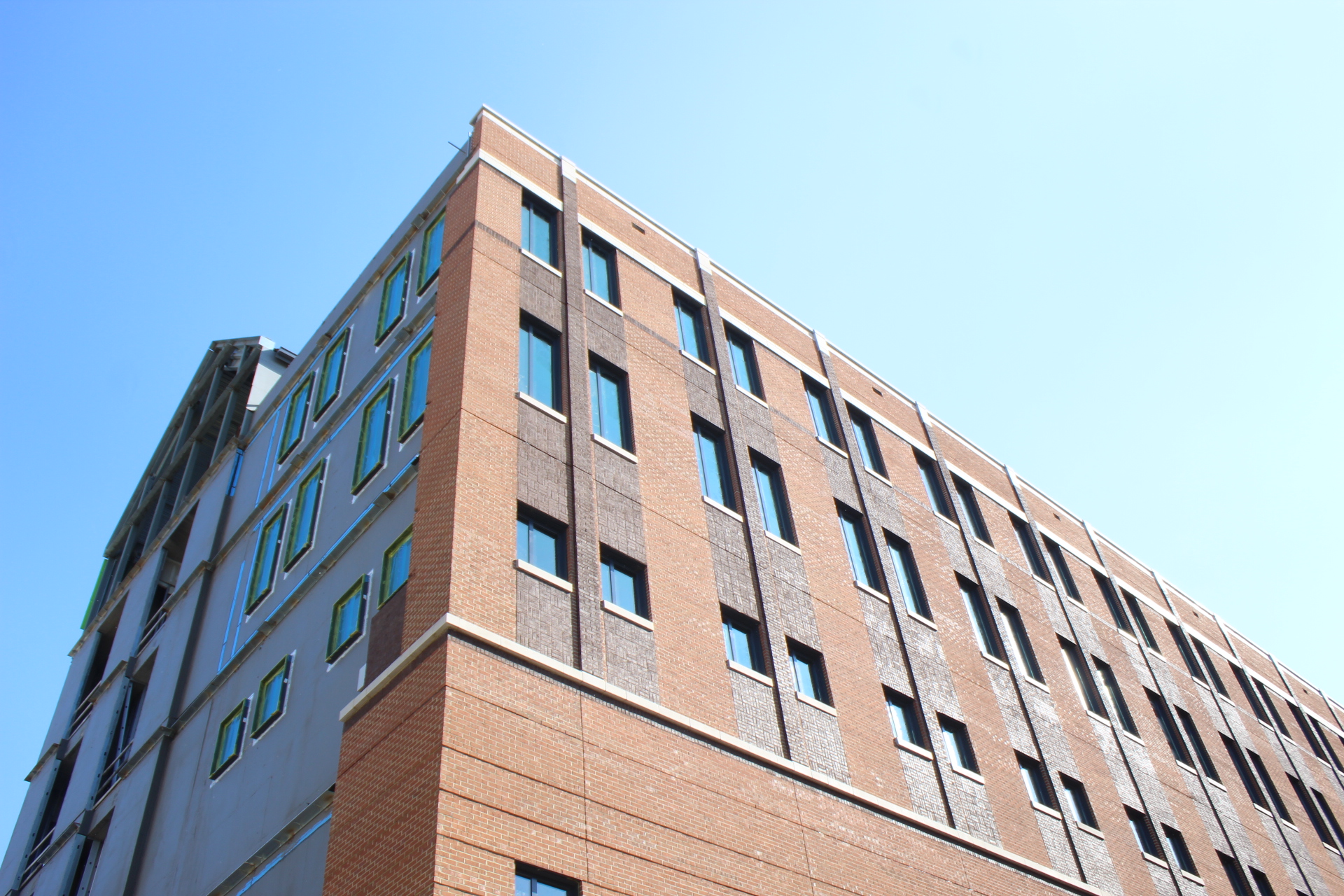
Exciting progress continues the College of Nursing Building, which remains on schedule to welcome students for classes in August 2025. The glass curtainwalls on the west side are now complete, with work on the east side moving along. Brickwork is nearly finished, with only small sections remaining on the south and east faces. Over the next few months, crews will finish installing exterior metal panels and finalize ceiling installations.
Inside, drywall work wrapped up in March, along with the finally coat of paint. Doors and hardware installations finished up in April, and carpet and floor tile installation has started. The building’s communication networks are live, aligning with the installation of simulation equipment this month. Furniture installations will follow in June.
On the exterior, sidewalks, plazas, and landscaping began in March and continue through June, bringing the finishing touches to this state-of-the-art facility.
Stay tuned for more updates as we countdown to opening day!
Leading With Purpose: PhD Student Shapes the Future of Nursing Through Education, Practice, Policy, and Research
Courtney Pitts is no stranger to hard work, dedication, and service — both in and out of the classroom. Pitts, who has formerly served as a Family Nurse Practitioner (FNP) specialty director at Emory University’s Nell Hodgson Woodruff School of Nursing and Vanderbilt University School of Nursing is currently pursuing her PhD at the University of Tennessee. She currently serves as a Clinical Professor at Emory and an FNP at Vanderbilt University Medical Center.
Her impact in nursing education has already been profound — having led a top-ranked master’s level nurse practitioner program for seven years, with three of those years earning a number 2 national ranking.
Pitts is a proud wife, mother of two, and devoted fur mom. Born and raised in Greenwood, Mississippi, she grew up enjoying the quiet joys of fishing and small-town life. Now, she draws daily inspiration from her children and her students.
“I see them both as developing and growing into themselves while allowing me to serve as a guide on their journey,” shared Pitts. “I expose them to the possibilities and allow them to choose their own path.”
Pitts is deeply invested in her research on how state-level regulations for advanced practice registered nurses (APRNs) affect access to care and patient outcomes.
“I have spent a great deal of time trying to increase access to care through clinical training programs and academic practice partnerships,” shared Pitts. “For more than two decades, advanced practice registered nurses have been working to increase their autonomy to help increase access to care.”
With the nation facing a growing shortage of primary care providers, Pitts’s work is vital in exploring how APRNs can bridge the gap and help improve health outcomes, particularly in rural and underserved communities.
Her commitment to public service goes beyond her research and teaching. Pitts actively serves on several national boards and committees, including the National League for Nursing’s Public Policy Committee, where she helps shape the organization’s public policy agenda and provides tools to help nurses engage in policy. She was recently appointed to the National Organization for Nurse Practitioner Faculties’ (NONPF) Faculty Institute Committee and serves on the Tennessee Nurses Association Government Affairs committee. She formerly served as a member of the American Association of Nurse Practitioners’ (AANP) Awards Committee and an associate editor for the Journal for Nurse Practitioners.
In 2021, her leadership was nationally recognized when she was appointed by the U.S. Secretary of Health to the National Advisory Council on Nurse Education and Practice. She also served two elected terms on the National Organization of Nurse Practitioner Faculties’ Board of Directors.
Recently, Pitts was honored with the DAISY Extraordinary Nurse Leader of the Year award from the National Organization of Nurse Practitioner Faculties (NONPF). The award celebrates exceptional nurse practitioners whose leadership has significantly advanced the mission of NONPF.
Despite her many accolades, what stands out most is her heart for service and access to care.
“The foundation of my nursing career has been improving the health of those who are often considered the least of us — the underrepresented, vulnerable, and marginalized,” Pitts said. Her work leading the creation of clinical training programs and establishing academic-practice partnerships speaks to her belief that when we care for the most vulnerable, we uplift the health of all.
Her time as a Vol Nurse has been marked by close connections with her PhD cohort and faculty mentors. She finds joy in celebrating milestones — big and small — with her peers and values the opportunity to learn from some of the best nurse scientists in the field.
Looking ahead, her vision is clear: to become a nurse scientist who leverages research to influence policy and mobilize nurses at all levels to engage in shaping the future of health care.