Fall 2024 Construction Update

The new Nursing Building is on schedule for fall 2025 occupancy. 

The building is now dried in at the roof level, and the roof is complete except for the green roof plantings, which will be added at a later stage. Window installations are finished except for the lanterns and storefronts. The north side facade is complete, and masons are working on the west elevation.

Gypsum board installation has been completed throughout the building. Site utilities have been installed, ensuring that systems for water, electricity, and other essential services are in place.

The $85 million 117,000-square-foot building will have four stories, with unique elements including enhanced simulation spaces, a pre-function event space, and a student commons space.

_____

CONTACT:

Kara Clark (865-974-9498, [email protected])

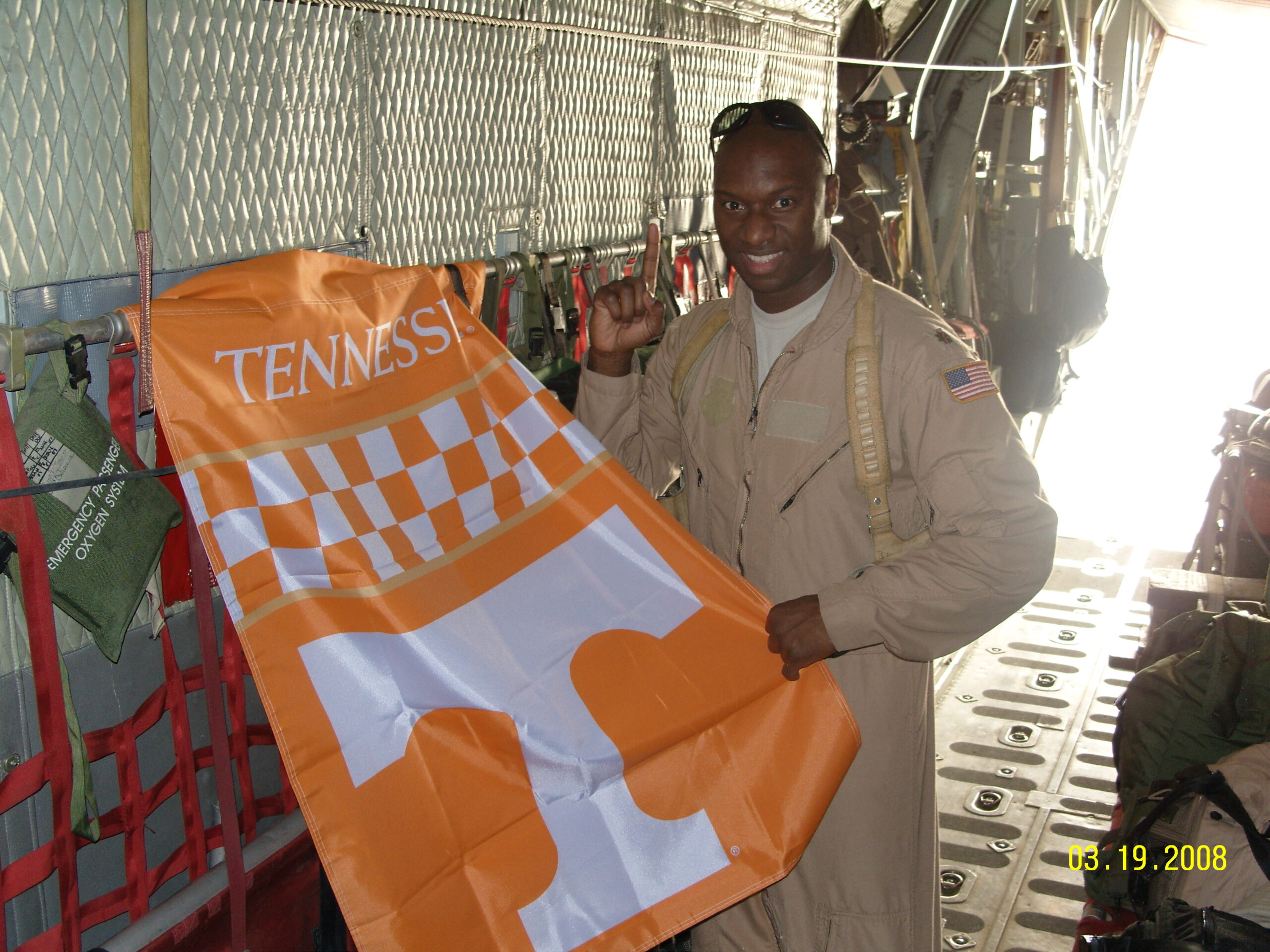
Alumni Spotlight: Frederick Kendall Sawyers

Frederick Kendall Sawyers has dedicated his life to the service of others, both as a health care professional and a military officer. After graduating from the University of Tennessee in 1997 with a Bachelor of Science in Nursing, Sawyers embarked on a career that has spanned over 27 years and continues to make an impact.

Initially aspiring to be a pharmacist, Sawyers changed his career trajectory when he joined the US Air Force and became a military medic. 

“This is where I had my first real contact with what nurses were doing as a career,” he said. “As a military medic I had an advantage because I was able to gain certain skills that even some nursing students did not have the privilege of doing or seeing.”

That experience ignited his passion for nursing, leading him to return to UT and enroll in the nursing program.

“My time in the nursing program seemed fast paced and busy, but I felt like I was being prepared for the operational nursing world and also being set up to perform well on my nursing boards,” said Sawyers.

He credits the faculty members at the college for helping him become a caring, compassionate, and competent professional. 

“We were taught to be critical thinkers and to be prepared each day to perform in a way that made you a valuable member of the health care team, and I still carry that with me today,” he said. “We were given the skills of how to prepare, how to critically analyze and think about the disease process, and how to view your patient holistically and completely, accounting for all the needs the patient might have.”

Following graduation, Sawyers went on to spend 24 years and 24 days in the Air Force. Eight of those years were active duty and wartime services. 

“I was assigned to a fixed-wing aeromedical evacuation unit and responsible for taking care of injured and wounded soldiers, sailors, and airmen from all branches of our military as a flight nurse in the Air Force,” he said. “It has been the most rewarding part of my nursing career.”

As Sawyers reflects on his career and some of its most impactful moments, he immediately jumps to the opportunity to care for wounded troops in war.

“It’s a completely different type of care, as you are taking care of people who have signed up to put their life on the line. So every mission is emotional, and you feel compelled to do things that seem humanly impossible to get that soldier back home to his family,” he said. 

Sawyers retired from the Air Force in October 2016 as a lieutenant colonel. He currently works at the VA Medical Center in Nashville as a charge nurse in the cardiac catheterization lab. 

Throughout his career, Sawyers has remained committed to compassionate patient care—even during the most trying times, such as the COVID-19 pandemic. 

“If you want to succeed in this career field you need to know that dedication is important and crucial,” he said. “You will not always be thanked and receive a pat on the back for your accomplishments or care you give, so you will need a strong sense of self and to know your own value. Remember nursing is the backbone of health care, so you are an important asset.”

Sawyers’s journey has been marked by significant milestones, including being one of the first Black men to graduate from the nursing program.

“I would like to encourage other Black males to consider nursing, just because I think it would improve community health overall when people have health care providers they can relate to,” he said. 

Outside of his professional life, Sawyers is actively involved in his community. He mentors high school athletes, volunteers with groups assisting the homeless in Sumner and Davidson Counties, and enjoys attending UT athletic events. He also has a passion for smoking, barbecue, and grilling meat, often taking cooking classes to refine his skills.

Bailey Named Tennessee State Forensic Nurse of the Year

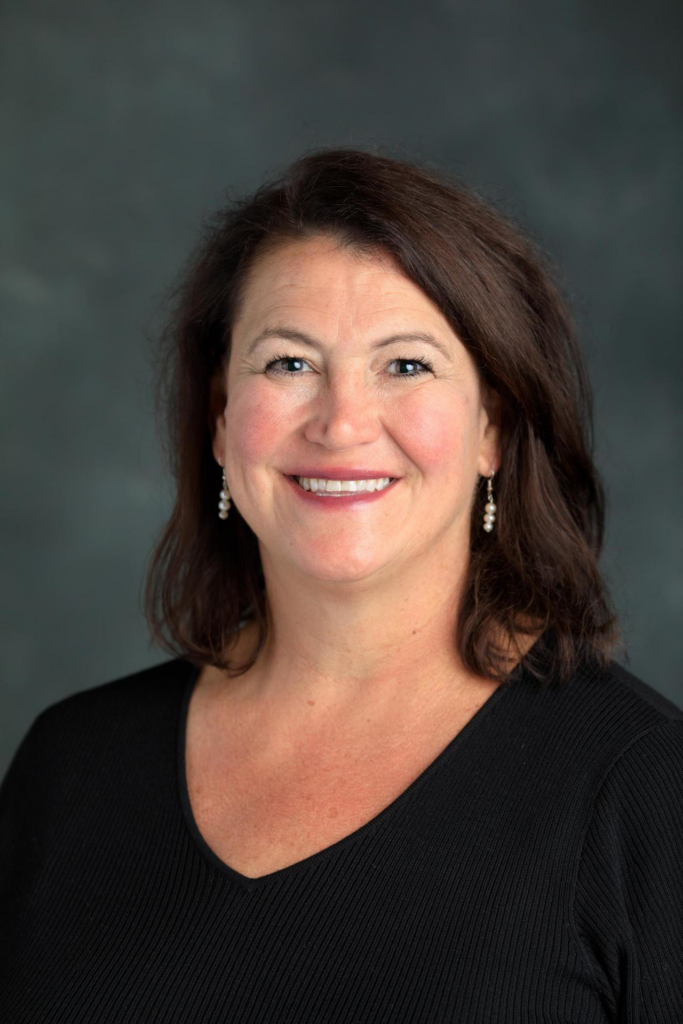
Carrie Bailey, associate clinical professor in the College of Nursing, has been awarded the Tennessee State Forensic Nurse of the Year Award by the Tennessee Chapter of the International Association of Forensic Nurses.

Bailey began her career as a Sexual Assault Nurse Examiner (SANE) in 2014 at the Sexual Assault Center of Knoxville. Over the years, she has advanced to serve as the SANE coordinator for the Sexual Assault Center of East Tennessee and as a commissioner for the International Association of Forensic Nurses. Known for her expertise, she has testified as an expert witness in numerous public cases for the prosecution in Knox County, demonstrating an unwavering commitment to justice and victim advocacy.

Bailey has been a faculty member at the college for 25 years, and has been pivotal in integrating the practice of sexual assault nursing into the academic training of future nurses.

Her leadership and dedication were further exemplified through her role in a highly successful HRSA grant project that resulted in a 26% increase in the number of certified SANEs in Tennessee, further enhancing the state’s capacity for specialized care.

She has developed comprehensive training resources, including a free online platform with 300 hours of material for SANEs, and has collaborated with the Tennessee Bureau of Investigation Forensic Lab in Knoxville to improve evidence collection protocols.

Bailey’s work has also encompassed multicultural outreach and prevention efforts. Her commitment to providing accessible services led her to secure remote translation assistance for Spanish-speaking clients, ensuring inclusive and effective care for all victims. Additionally, her current collaborative project aims to develop specialized training for addressing sexual assault within the LGBTQ community.

“Bailey’s tireless work has significantly advanced the practice of forensic nursing in Tennessee and beyond,” said Victoria Niederhauser, dean of the college. “Her dedication to supporting victims, enhancing professional training, and fostering a multidisciplinary approach has set a new standard in the field.”

_____

CONTACT:

Kara Clark (865-974-9498, [email protected])

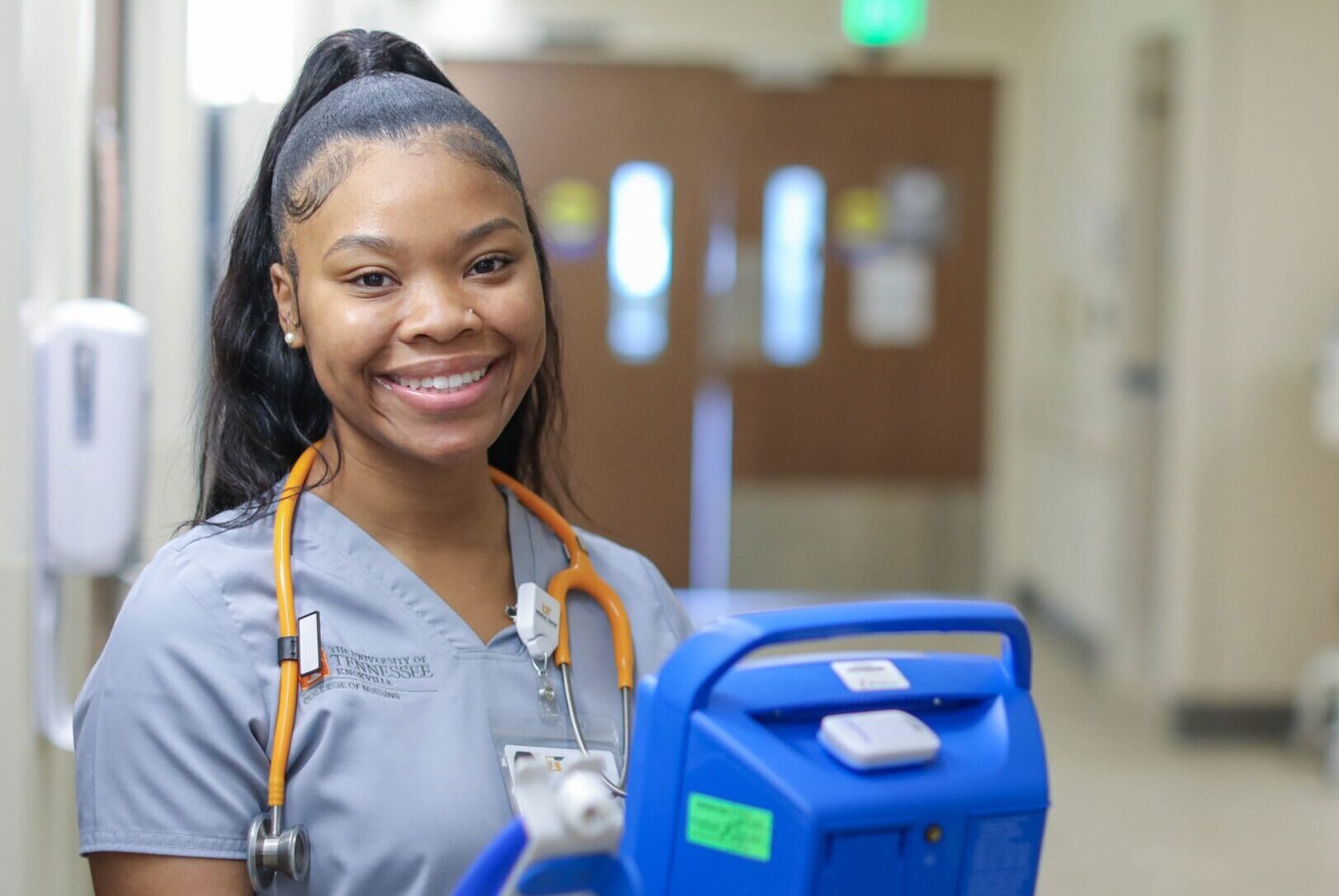
BSN Scholars Spotlight, Jordan Ballenger

“Losing my father to colon cancer and witnessing his fight against the disease while I was in middle school inspired me to pursue a career in nursing,” she shares. Now, as a BSN Scholar, Ballenger’s passion for nursing has only deepened.

Ballenger was accepted into the BSN Scholars program in the spring of 2023.

This partnership with The University of Tennessee Medical Center (UTMC) allows students to train at a satellite campus adjacent to UTMC. The program offers nursing students an opportunity to learn in a state-of-the-art Simulation Lab and train inside UTMC while receiving their BSN from UT. The program offers tuition assistance from UTMC with a three-year work commitment post grad.

“The program has been nothing short of amazing, giving me invaluable experience and knowledge that has solidified my passion for this field.”

Ballenger’s time in the program has been marked by moments of growth and reflection. She points to the supportive nature of the BSN Scholars cohort and the professors who’ve guided her along the way.

“Having a small and supportive cohort with incredible teachers has had a significant impact on me,” said Ballenger. “From taking challenging courses and managing a heavy workload during the summer to engaging in mindfulness and meditation practices before exams, the professors went beyond the classroom to help us grow.”

Ballenger’s clinical rotations at The University of Tennessee Medical Center (UTMC) have had an influence on her perspective on patient care.

“The nurses at UTMC provide excellent care in every situation, and no matter what floor you’re on, the medical center feels like a family,” she adds. “This experience has influenced my belief in the importance of compassionate and high-quality patient care.”

The BSN Scholars Program was designed to address the critical nursing shortage while creating a pipeline for the medical center to employ top nursing graduates.

The BSN Scholars program has also provided Jordan with opportunities to learn and grow in a hands-on environment.

“The program has helped me develop both personally and professionally by providing opportunities to learn from mistakes in simulation labs and correct them,” she shared. “It has taught me the value of professionalism in clinical settings, especially the importance of being a good listener and an effective leader.”

Throughout her journey, Jordan has found invaluable support from mentors like Vivian Rookard, chair of the program.

“She has always been just an email or call away, advocating for us and helping us navigate challenges,” shared Ballenger. “She has assisted me with coursework, volunteer opportunities, and clinical rotations, providing guidance and encouragement throughout my journey.”

Looking ahead, she is eager to continue making a difference in the lives of patients. When she graduates, she plans to begin working on the 5Heart oncology floor at UTMC.

“I hope to advocate for my patients by being their voice when they are no longer able to speak for themselves, as well as when they can,” she added. “I want to ensure they receive the care and attention they deserve at every stage of their treatment.”

For students considering the BSN Scholars program, Ballenger offers this advice: “Be open to change and willing to embrace discomfort. Growth happens when you step outside your comfort zone, and this will ultimately lead you to find what works best for you.”

To learn more about the BSN Scholars program submit an interest form or sign up for an interest session.

_____

CONTACT:

Kara Clark (865-974-9498, [email protected])

College of Nursing Leads Relief Efforts in Wake of Hurricane Helene

In the aftermath of Hurricane Helene, which left widespread devastation across East Tennessee and Western North Carolina, the College of Nursing stepped up to provide critical disaster relief to impacted communities. Demonstrating the College’s deep commitment to community service, students, faculty, staff, and alumni have come together to deliver medical care, essential supplies, and emotional support to families in need.

Mobilizing a Volunteer Response in Erwin, TN

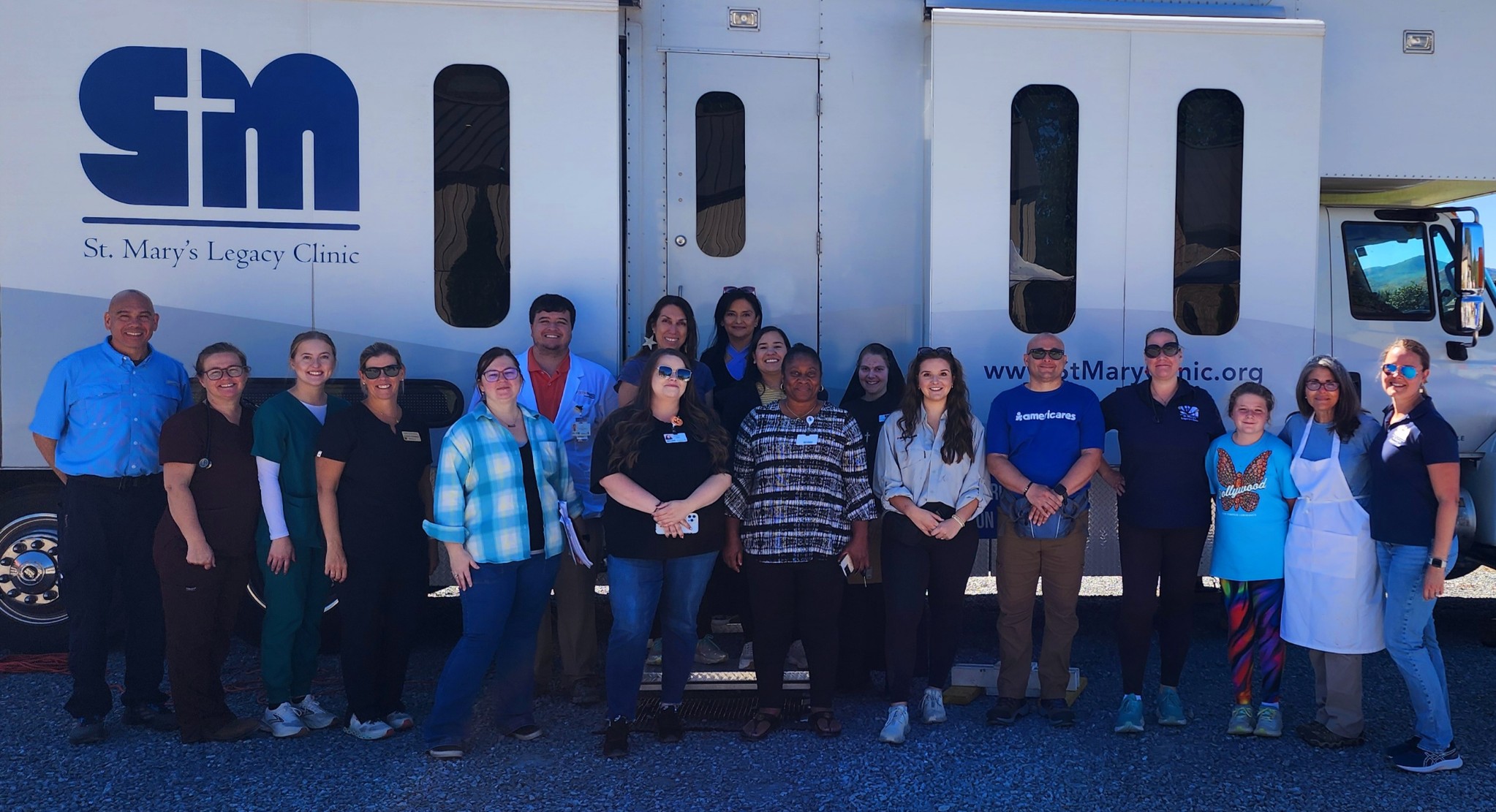
One of the largest relief efforts involved a team of 33 volunteers connected to the College of Nursing, including nurse practitioners (FNP students and faculty), registered nurses, and undergraduate nursing students. Led by faculty member Christina Brown, the team traveled to Erwin, TN, to provide urgent medical care and support at St. Michael the Archangel Catholic Church. This was organized in collaboration with Sister Mary Lisa Renfer of St. Mary’s Legacy Clinic (SMLC).

“I volunteer for SMLC as my clinical practice,” shared Brown. “Sister Mary Lisa got a call from one of the churches in Erwin asking for her to come and help them. That is how we ended up there.”

The relief team, which included faculty and students from the College of Nursing, provided care to over 40 patients. Nurse practitioners offered medical assessments and treatments. At the same time, student nurses and registered nurses supported triage, patient check-in, medication distribution, and acted as patient navigators. These volunteers helped families struggling with not only the physical toll of the hurricane but also the emotional trauma of loss and displacement.

“All of the nurses, staff, providers, and students that volunteered have said that it was an absolute privilege to help these patients and families and care for them medically but also be with them emotionally,” said Brown. “Many were experiencing the worst time of their lives; some were still dealing with the trauma of losing loved ones and the trauma of literally hearing people call for them that they could not get too – it was very harrowing”

Nurse Navigators Lead Critical Efforts in Flood-Stricken Areas

At the same time, the College’s Community Registered Nurse Navigators (CRNNs) in Northeast Tennessee were on the frontlines, providing disaster relief in areas hardest hit by the storm. CRNNs Alison Lundy and Ashley Walton, who normally focus on improving vaccine outreach and education, expanded their role to address immediate community needs.

Lundy delivered essential supplies to flood victims in Carter County, working alongside Walton, who coordinated the delivery of two trailers full of donated goods with the help of her husband.

“Being a nurse navigator has always been about serving the community in whatever way is needed,” said Lundy. “In the aftermath of the hurricane, it was inspiring to see everyone come together—neighbors helping neighbors.”

Walton echoed this sentiment: “Helping with flood relief was a natural extension of what we do. Whether it’s breaking down barriers to healthcare or supporting communities during a crisis, we are here to help.”

CRNN Maria Fishwick, stationed in the East Tennessee region, organized a donation drive for families in Cocke County. She was able to collect over 1,000 trash bags, headlamps, and first aid supplies, which she personally delivered to affected areas. Fishwick continues to coordinate ongoing donations for relief in Newport.

“These communities mean everything to me,” Fishwick shared. “It’s already hard enough to navigate health challenges in rural areas but adding disaster recovery on top of that is unimaginable. I’ll continue to support these families as long as I can.”

College of Nursing Donation Drive in Knox County

Closer to home, the College of Nursing has been a hub for coordinating relief efforts across the Knox County region. Caroline Layton, advisor at the college, and Jada Russell, Executive Director of Enrollment Management and Assistant Professor of Practice, have spearheaded a donation drive to collect food, water, clothing, first aid supplies, and hygiene products for families devastated by the hurricane. In partnership with countywide efforts, the College is rallying volunteers, students, and community members to contribute whatever they can.

“We’ve seen an incredible outpouring of generosity,” Layton said. “The Volunteer spirit is alive and well.”

_____

CONTACT:

Kara Clark (865-974-9498, [email protected])

Traveling to Kenya: Vol Nurses’ Impact Felt Halfway Around the World

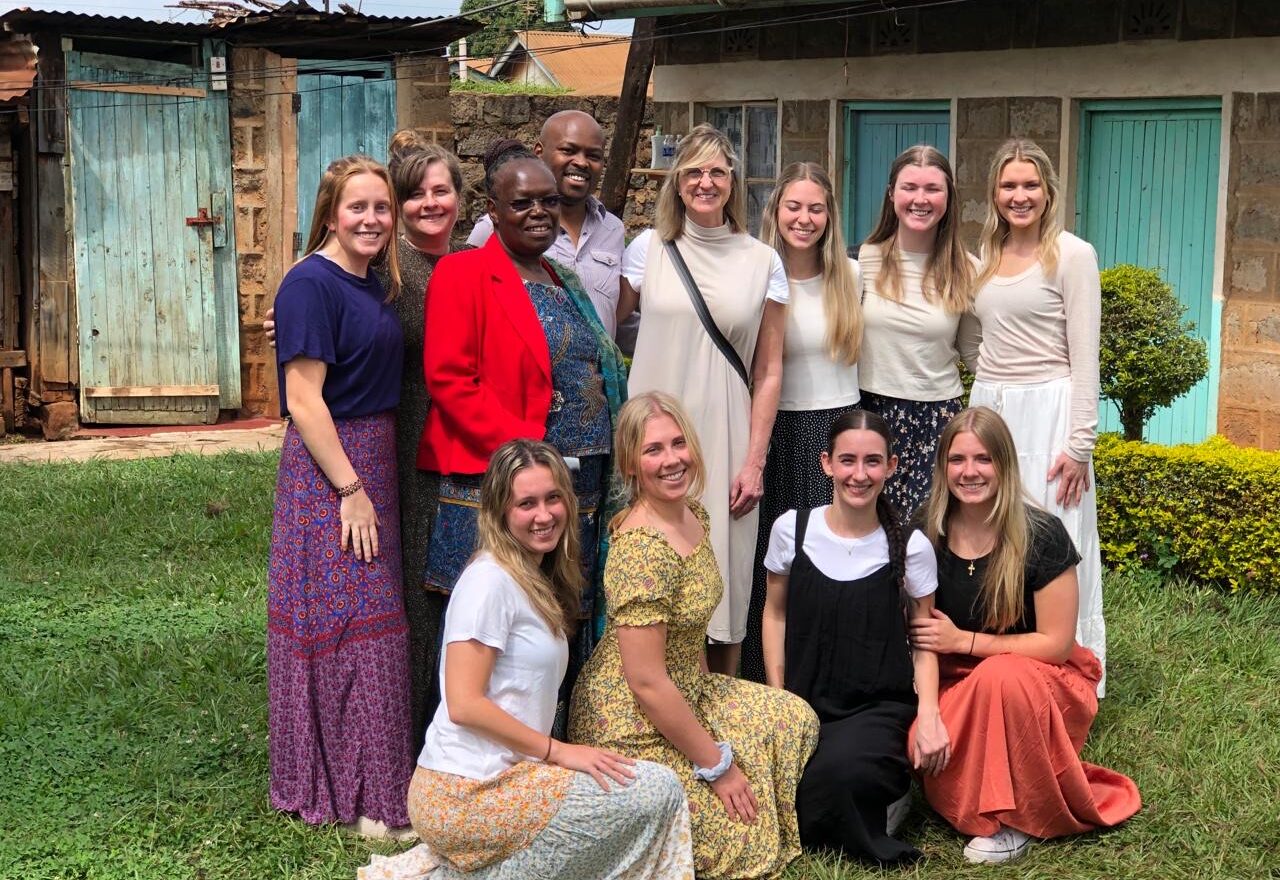
Each year, Vol nurses have the chance to travel to Africa to help provide much-needed health care in remote areas of Kenya, thanks to an international program that carries on the work started by a donor during her career.

College of Nursing faculty and students have made multiple trips to the WAKA Medical  Training Institute and Hospital in Nyeri, Kenya, where they work alongside local health care providers to treat patients for chronic conditions and everyday illnesses. College of Nursing faculty also have delivered lectures and provided hands-on learning for Kenyan nurses and students.

Those who have made the trip say they get as much as they give.

“All of the students have said visiting Kenya was a life-changing event for them,” said April Bryant, a clinical assistant professor who traveled with students in July 2023 and January 2024. “They knew that health disparities and other disparities existed in the world, but they had never seen it with their own eyes. They felt humility and were humbled by the experience.

“They were able to go out on their own, without the safety and comfort of home and stand on their own two feet—and make a real change in the community.”

Building a partnership

Planning for the Kenya project began nearly a decade ago, when Poppy Buchanan, a longtime public health nurse, first approached College of Nursing Dean Victoria Niederhauser about the possibility.

During her career, Buchanan helped a Kenyan nurse-midwife build the WAKA compound, which now includes a 100-student school, a maternity hospital, a clinic for mothers and children, and student housing. Recognizing that she was getting older, Buchanan proposed that the college continue her work in Kenya.

Initially, Niederhauser said, it wasn’t safe to send students or faculty to Kenya. But she and Buchanan continued talking, and Buchanan ended up helping the college with two other projects—building a kiosk to provide clean drinking water for the people of Clay County, Kentucky, and starting the Center for Nursing Practice, which promotes healthy communities through activities that improve access to nursing care.

“Poppy hung in there with us,” Niederhauser said. In 2019, Nan Gaylord, recently retired associate dean for practice and global affairs; Susan Hébert, assistant dean of simulation; and Virginia Fowler, coordinator of the Center for Nursing Practice, traveled to Kenya to lay the groundwork for student trips.

After a delay because of the pandemic, Gaylord and Hébert, accompanied by their husbands, returned to Kenya in May 2023 to renovate a WAKA building into a dormitory for UT students.

Life-changing adventure

In July 2023, Hébert and Bryant took four seniors to Kenya. In January, they returned with six juniors and two seniors.

During their stay in Kenya, UT students spent several days doing clinical rotations with the WAKA students at the hospital in Nyeri.

“They get to know each other as people and nurses,” Hébert said.

Bryant said UT students saw that Kenyan hospitals, sometimes small and very overcrowded, operate very differently than those in the United States. There is no such thing as Medicaid or TennCare. Patients who can’t pay for their care may be detained or jailed.

“And patients sometimes have to share beds,” Bryant said.

UT nursing students also helped with nurse-led free clinics in rural villages.

“If we weren’t there, these people would not have received the care, the medication, or the education,” said Madison Downs, who helped dispense medications at one of the clinics in January.

Seeing the way people lived in some of the poorest areas, “I realized how much I’ve taken for granted in life,” said Downs, a native of St. Louis who graduated in May and is now working in a cardiovascular ICU in a hospital in Washington, DC.

Norah Vinopal, a junior from Arlington Heights, Illinois, also went on the January trip.

She enjoyed getting to know the Kenyan nursing students, and she was impressed with their resourcefulness amid the area’s lack of resources. She was also humbled by how appreciative patients were for the care they received.

“The experience put lots of things in perspective for me,” she said. “It’s going to help me be a better nurse one day.”

During the group’s time in Kenya, Bryant lectured on a variety of general health topics and Hebert taught Helping Babies Breathe, a best-practices infant resuscitation simulated learning program developed for resource-poor areas. About 200 nurses from 19 care facilities in the Nyeri area practiced infant resuscitation techniques using manikins.

Reaping the benefits

Faculty plan to lead a student trip to Kenya each January.

“The trips allow students to see some of the things they learn didactically in the real world,” Bryant said. They see how much a person’s health is influenced by their environment, and they see how much impact nurses can have on individuals and communities.

Vol nurses come home knowing they can make a difference in people’s lives—and that’s a lesson they’ll carry into the future. “The people of Kenya are some of the most welcoming, kind, generous people I’ve ever met,” Bryant said. “We can all learn something from the people of Kenya.”

_____

CONTACT:

Kara Clark (865-974-9498, [email protected])

The Impact of Volunteer Nurses: Helping the Community Get Healthy and Be Healthy

Volunteer nurses are making an impact in the community, here and abroad, through a wide range of initiatives—from supporting a school-based community clinic to delivering mobile mental health services in underserved areas to providing essential health care to remote populations in Belize, Kenya, and other places.

“We are filling a void of caring for people in the community,” said Nan Gaylord, professor and associate dean of practice and global affairs, who retired at the end of the spring semester after 38 years in the College of Nursing. During her time at the university, Gaylord said she witnessed an evolution in the way the college—and, in particular, student nurses—impact the Knoxville area and remote areas around the globe.

Dean Victoria Niederhauser agrees: “We’ve really expanded our outreach in the local community and globally over the last 10 years.

“In addition to experiencing caring for people of different communities and cultures, these experiences provide the opportunity for student nurses to see firsthand the impact of where someone lives, works, and plays on health outcomes,” she said.

“The College of Nursing produces compassionate nurses who provide exceptional care across the globe. But we do more than produce great nurses. We really help communities get healthy and stay healthy.”

Impact: Hands-on Care

The UP & UP Project, which began last year with a grant from the Health Resources and Services Administration of the US Department of Health and Human Services, provides free mental health services in rural areas via a mobile clinic. Faculty member Stacey Nelson, a psychiatric nurse practitioner, oversees the care with DNP students working alongside her.

The UP & UP van travels to five Tennessee counties: Sevier County on Mondays, Hamblen County on Tuesdays, McMinn County on Wednesdays, Morgan County on Thursdays, and Monroe County on Fridays. Patients can make appointments or walk in; no referrals are needed. After a diagnostic evaluation that includes an in-person health check, patients are prescribed medicines, if necessary, and get referrals for therapy, which they can attend via Zoom from their home or the van.

Project Manager David Jackson said the UP & UP Project has served about 100 patients ranging in age from eight to 72 for a wide range of psychiatric conditions, including bipolar disorder, depression, schizophrenia, and substance abuse. The project provides mental health care to people who might not otherwise have access to care, either because they’re uninsured or underinsured or because they can’t travel to appointments.

Jackson said patient surveys ask “Where would you have gone if this wasn’t available?”

“A lot of the patients say, ‘Nowhere,’” he said. “We’re helping a community that is in desperate need of mental health care by bringing the service to them.”

One of the longest-running community health outreach services provided by the college, the Vine School Health Center, provides holistic care to people from birth to age 21.

When it started nearly 30 years ago, the clinic providers were seeing about 1,200 patient visits a year; that number has grown to more than 7,000 a year.

Families in Knox County have access to pediatric health care and mental health services at the center or through telehealth services. Thanks to a partnership with Second Harvest, children and families also can receive much-needed food support, said Gaylord, who helped start the clinic in 1995.

The clinic is staffed by college faculty, two registered nurses, two licensed clinical social workers, and two office workers. Several nursing students are hired to work alongside the nursing staff and others rotate through, assisting with daily activities.

Here in Tennessee, the college is leading a project to identify the barriers preventing people from receiving routine immunizations.

With a $5.5 million grant from the Tennessee Department of Health, the college launched the Community Registered Nurse Navigator Project in January 2022. The initiative has deployed 16 registered nurses across the state to develop county-specific strategies aimed at improving and sustaining routine immunization rates.

Volunteer nurses impact an even wider swath of the community through academic service-learning.

Juniors and seniors are required to log at least 30 hours of volunteer work each semester at a community agency, which they arrange through UT’s Jones Center for Leadership and Service.

While students approach the work through the lens of a nurse, they’re encouraged to choose agencies that aren’t health related. The experiences are meant to help them hone their communication and interpersonal skills while providing much-needed staffing for local agencies.

“Through academic service-learning they’re learning how to interact and engage with the community at large,” said Virginia Fowler, the college’s academic affairs manager.

Student nurses touch a specific community—grieving parents—through the Precious Prints Project, a service project of the Student Nurses Association that provides families grieving the loss of a child with a pendant bearing the fingerprint of their child.

The Precious Prints Project began in 2012 and has grown to include 10 partner hospitals (East Tennessee Children’s Hospital, UT Medical Center, Fort Sanders Regional Medical Center, Parkwest Medical Center, and Tennova-North Knoxville Medical Center in Knoxville; Methodist Medical Center in Oak Ridge, Tennessee; LeConte Medical Center in Sevierville, Tennessee; Morristown-Hamblen Hospital in Morristown, Tennessee; Cumberland Medical Center in Crossville, Tennessee; and Blount Memorial Hospital in Maryville, Tennessee) and two university partners (Union University and the University of Las Vegas School of Nursing). The program has given away more than 2,400 pendants since 2012.

Lynne Miller, director of the Precious Prints Project, said the program is incredibly meaningful.

“By providing a tangible remembrance of the life of a child, the Precious Prints Project enables students to make a difference for families experiencing unthinkable loss,” she said. “Recipients have shared with us that it is one of the most precious gifts they could have ever received.”

Impact: Research

“UT is an R1 (very high research) institution,” Niederhauser said. “Our mission is not only educating, but also discovery and innovation.”

Research carried out in the College of Nursing seeks to improve health and health care for people of all ages across a wide spectrum of issues.

For example, Associate Professor Joel Anderson is currently co-leading two studies funded by the National Institute on Aging.

“We are working with national and community advisory boards and community partners across the US to engage with LGBTQIA+ people living with memory loss and LGBTQIA+ caregivers to understand their experiences and needs and to ensure they are included in aging-related research,” he said.

In another project, Niederhauser is part of a collaborative team that includes faculty from UT’s Tickle College of Engineering and College of Architecture and Design in addition to the College of Nursing. The team is developing SmartSHOTS, a mobile application to help reduce barriers to immunizations for children in their first 18 months of life. The work is being funded by a $1.3 million grant from the Tennessee Department of Health.

“Through the app, parents and caregivers can log their child’s immunizations, locate a provider, get directions, and also access immunization information,” said Penny Taylor, SmartSHOTS project manager.

Two other research projects led by Assistant Research Professor Andrew Ward involve using geographic information system data to improve cancer patient outcomes in the region.

The first project looks at 10 years (2010–2020) of pancreatic cancer data from UTMC.

“I can demonstrate that individuals with pancreatic cancer treated at UTMC have better outcomes in their disease compared to both state and national pancreatic cancer outcomes. These results are independent of other medical comorbidities, health insurance status, and socioeconomic status,” he said. “These results further underscore the value of an academic medical center for the community it provides care for.”

More recently, he began a project studying the Merkel cell carcinoma in south central Appalachia. He’s collaborating with Matthew Harris, Boyd Distinguished Professor of Health Economics in UT’s Haslam College of Business.

“We see a larger volume than expected at UT Medical Center, and my hypothesis for why this might be revolves around specific economic factors of East Tennessee,” said Ward.

Students in the Doctor of Nursing Practice program impact the community through their scholarly work.

During the first half of their three-year program, DNP students complete an evidence-based practice project. They identify an issue in a clinical setting, study literature related to the problem, and then propose and test sustainable interventions.

Assistant Dean of Graduate Programs Allyson Neal said one student working in pediatric intensive care wanted to help relieve patients’ skin irritation related to long-term use of medical devices such as breathing tubes and feeding tubes. His project resulted in patients being referred to wound care sooner.

Another student working in a hospital provided evidence that a specific heart procedure could be done as same-day surgery. Eliminating patients’ overnight stays not only saved costs but also lessened the risk of hospital-borne infection.

Impact: Simulated Learning

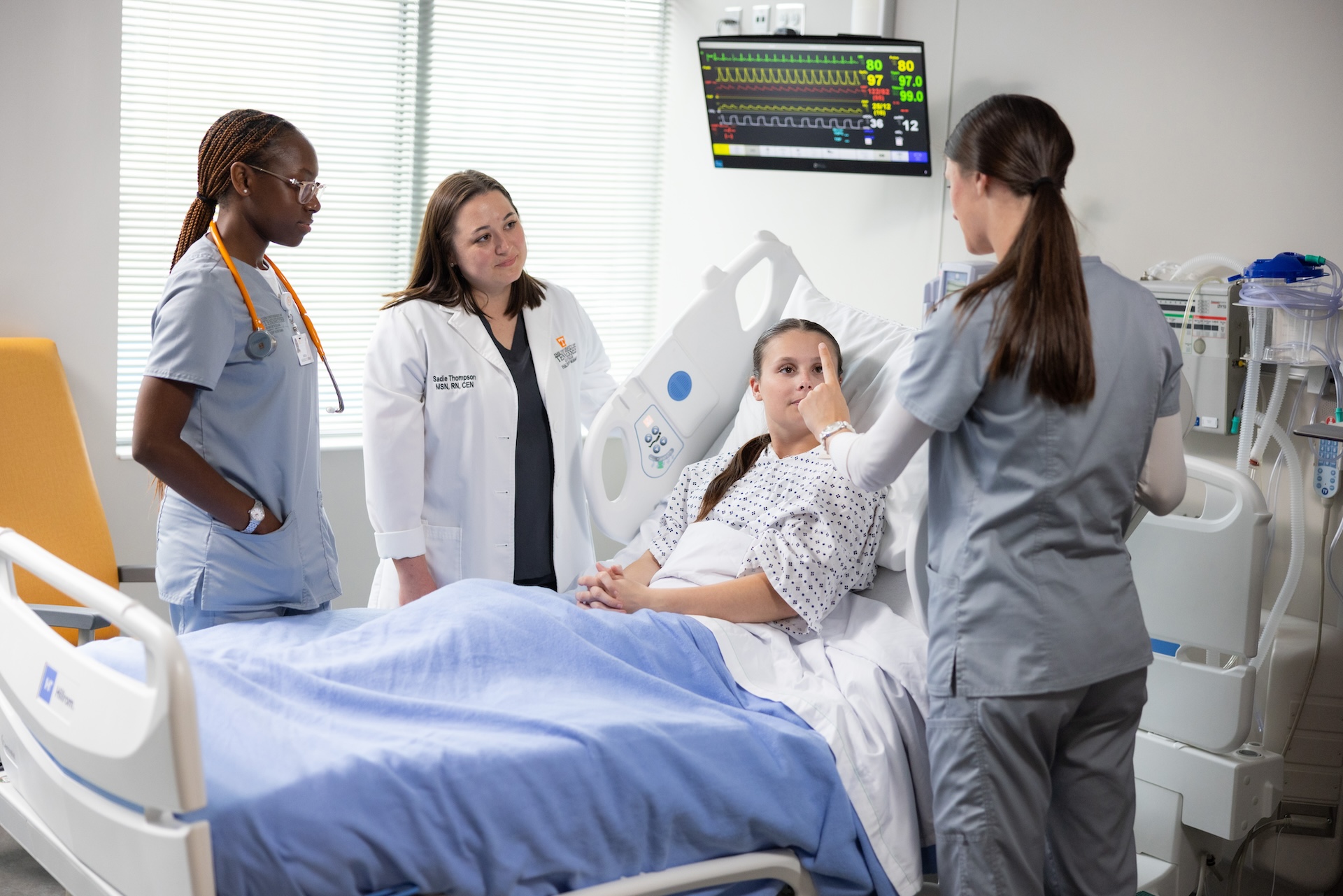
The college is a known leader in simulated learning, and nursing faculty have been teaching other colleges and health providers to effectively use manikins and other tools to teach lifesaving care.

“A lot of people buy equipment and renovate space, but they need to know what to do with it,” said Susan Hébert, assistant dean of simulation and a collaborator in the Health Innovation Technology in Simulation (HITS) lab. “Unless you know how to do it right, you can do a lot of harm with simulation.”

While colleges use simulated learning on a wide range of topics, hospitals and clinics often use simulation to teach new or improved techniques to better patient outcomes.

Hébert and her team have worked with East Tennessee Children’s Hospital, Roane State University, Tennessee Wesleyan University, and Walters State Community College. They’ve also provided asynchronous learning modules and conducted in-person training with nurses and students during trips to Kenya.

Impact: International Service Trips

For the past 17 years, undergraduate and graduate nursing students have had the opportunity to expand their personal and professional horizons through international service trips offered by the college. For the past six years, students have participated in a spring break trip to Belize.

Clinical Professor Karen Lasater helped establish the Belize trip, which enables nursing students to provide much-needed care at clinics in rural villages.

Collaborating with faculty and local health care workers, students conduct medical histories, physical exams, and basic tests including blood pressure screenings, urinalyses, pregnancy tests, and diabetes screenings. They distribute vitamins, prescribe medications like antibiotics, and refer patients for follow-up care.

Lasater recalls one patient who was crippled with arthritis and nearly blind. For him, navigating a trip to the larger city of St. Ignacio would have been difficult, if not impossible.

“Having these groups of students come through and provide primary care in the local communities is just huge,” she said.

Graduate students on the trip sometimes conduct evidence-based practice projects, such as mass screenings for diabetes, for their DNP scholarly projects.

During recent trips to Nyeri, Kenya, UT nursing students joined students and faculty from WAKA Medical Training Institute in for Helping Babies Breathe, a simulation training developed by the American Academy of Pediatrics.

“Historically in developing nations when babies would come out of the womb not breathing, they would mistakenly think the baby had expired,” Hébert said. “But often the babies just need a little help in the beginning.”

The training employed newborn-sized manikins to assist caregivers in learning to resuscitate babies using manual resuscitator Ambu bags and suction.

Hébert said 200 Kenyan nurses and midwives were trained during three visits.

In addition to annual trips to Belize and Kenya, College of Nursing students have also taken service trips to Peru, Panama, the Dominican Republic, and Costa Rica.

“Our number of students has grown tremendously, so we have increased the number of trips we take with students,” Niederhauser said.

While the trips allow faculty and students to impact international communities, participants also come home with a deeper understanding of the role nurses play in community health. Students gain insight into diverse cultures, refine their communication and interpersonal skills, and exercise resourcefulness through their experiences.

The ideal situation, she said, is to develop ongoing relationships with international health care providers as they have in Belize and Kenya.

“It’s a give-and-take relationship,” Niederhauser said. “We need to build the international partnership by returning year after year so that hopefully we can begin to help improve health and health care in underserved countries.”

Impact: Partnerships Help Boost Workforce

Strong partnerships with local clinics, hospitals, and other health care institutions are critical for student education. They also help ensure that those institutions maintain a healthy number of nurses on staff.

Last year, UT and UT Medical Center partnered to create the BSN/ABSN Scholars Programs, which provide new pathways for non-nursing students to complete a degree in nursing. Students receive scholarships in return for a commitment to practice at UT Medical Center for three years following graduation.

The BSN Scholars Program is a four-semester program for college juniors who have fulfilled required prerequisites and want to complete a degree in nursing. The Accelerated BSN Scholars Program is a 15-month program for students who have earned a bachelor’s degree in a field other than nursing and want to become a registered nurse.

Niederhauser said the programs, which will graduate their first classes in the fall, will allow the college to graduate an additional 102 nurses each year. They have also given the college more slots for transfer students.

For UTMC, the program means “a strong, steady pipeline of top-tier BSN prepared nurses,” said Sandy Leake, senior vice president and chief nursing officer at UTMC. “The BSN Scholars are a critical component of our innovative plan to meet the growing demand for nurses in East Tennessee.

“Nurses make up approximately one-third of all hospital employees, and COVID-19 created unprecedented disruption in the nursing workforce. UTMC fared better than most, but the hospital nursing shortage is very real and, if unaddressed, has the potential to impact both quality and access to care.

“At UTMC, we are determined to prevent that from happening,” Leake said. “Our partnerships with the UT College of Nursing, including the BSN and ABSN Scholars Programs, will mitigate this shortage by producing significantly more high-caliber BSN graduates to meet the needs of our community and region.”

Looking to the Future

While the number of Volunteer nurses is increasing, community needs are also rising and changing.

“As we continue to grow, our footprint will expand,” Niederhauser said. “And our growing number of students will be able to reach more people.”

Those students are growing their impact in significant ways:

By serving as a student workforce and filling voids in the health care community.

By providing health care and social interaction to those who might not otherwise have access to them.

By traveling to remote areas around the globe to work alongside local health care providers.

By sharing their research and expertise to improve patient care.

By emerging as the next generation of nurses.

Gaylord said the impact of the College of Nursing and its students has been—and will continue to be—both significant and appreciated.

“Every place our Volunteer nurses touch is better from the care they deliver, whether that’s direct clinical care or just connecting with people in conversation,” she said. “Everyone is better.”

_____

CONTACT:

Kara Clark (865-974-9498, [email protected])

Late Faculty Member Meets Critical Need in College of Nursing and US Health Care

By: Laura Tenpenny (’11)

To Mary Gunther (’91, ’92, ’01) the phrase Volunteer family rang especially true. First a student and later a faculty member of the College of Nursing, she loved her classmates, colleagues, and students. Some exchanged gifts with her during holidays; others named pets in her honor and even stayed by her side in the final moments of her life.

“She left fingerprints not only on me and my career but also many other students,” says Shelia Swift, executive associate dean of academic affairs. “She was quirky and had such a funny sense of humor. She was so intelligent, which could be kind of intimidating to a student, but she was also very encouraging. She was a mentor, challenging me to go out of my comfort zone. I took my first leadership role in the college because of her influence, and now I hold one of the positions she once held.

“She was my dissertation chair while I was a graduate student, and we became very close over the years. If she cared about you, you knew it, and I was fortunate to be part of her close-knit circle of friends.”

Gunther’s biological family passed away long before her own death in 2021, but she built another family for herself at UT. She got her start as a pediatric nurse in her hometown of Chicago, where she attended nursing school. She moved to Knoxville to work in pediatrics at UT Medical Center, where she ascended to administrative positions of director of pediatrics and director of nursing resources while attending UT. Her Volunteer journey began with her nursing degrees (bachelor’s, master’s, and doctorate), and she joined nursing faculty in 2001.

Her academic career as student and professor was well decorated, including a graduate faculty award from UT. She built a significant body of scholarly work around theoretical discussions of empathy and lived experiences of nurses in the field and shared her findings at conferences around the world. She held leadership positions in the college including chair of the MSN program, director of graduate studies, and executive associate dean for academic affairs.

Before she passed, Gunther willed her entire estate to meet a critical need in the college and the country: a scholarship endowment for nursing PhD students.

“There’s a huge faculty shortage nationally, and that’s a big problem because we don’t have capacity to educate future generations of nurses,” says Sandra Thomas, PhD program chair. “Applicants are being turned away—when there’s also a shortage of nurses nationwide—because there aren’t enough faculty. Mary and I spoke about these kinds of problems all the time, but the public need to understand the situation because it could become a crisis.”

PhD enrollment in the US dropped 13 percent between 2013 and 2021 according to the American Association of Colleges of Nursing. AACN also reports that about a third of faculty members will retire by 2025 and that more than 91,000 qualified applicants to undergraduate and graduate nursing programs were turned away for fall 2022, with most nursing schools citing faculty shortage as a top contributing factor.

These shortages come at a time when many nurses are feeling burned out from the pandemic and its fallout and a large demographic of baby boomers are needing care as they age, magnifying the lack of nurses on a seriously stressed workforce. Those issues were frequently discussed by Thomas and Gunther, whom Thomas taught as a student and later enjoyed as friend and colleague.

“The purpose of getting a PhD is really to teach the next generation and do research, but there’s a preponderance of students who want to give direct care and don’t know how exciting a faculty career can be,” Thomas explains. “Students who return for a PhD are often in their 30s and 40s, like Mary was. At that point in life and in the life of their families, most prospective students can’t afford to quit working to attend school for the requisite three to four years.”

Thomas says the first question she hears from prospective doctoral students is usually about funding.

“Financial considerations are a major factor, so the money Mary gave is really pivotal, truly transformational,” she says.

College of Nursing Dean Victoria Niederhauser looks forward to an impact on enrollment from Gunther’s scholarship, which the college expects to award for the first time in 2025.

“It’s the only endowment in our college devoted specifically to PhD scholarships and will help enormously in recruiting against other schools that offer more financial support,” says Niederhauser. “Mary was a beloved faculty member who keenly understood the important role nurse scientists make in improving health and health care. Her legacy will live on in those who benefit from her generosity.”

Gunther’s love for the college is reflected in her tremendous support. She truly gave her all for the Volunteer family she came to care for so dearly.

“She hooded me at my graduate hooding ceremony, and I know she was proud,” says Swift. “She was so proud of all her students and the college in general. She cared that our graduates maintained a great reputation and provided great care to their patients. Mary understood that what she was teaching and helping nursing students accomplish would ultimately improve health for patients in Knoxville, across the country, and even around the globe. She was very proud to be part of that.”

The Mary Gunther Endowed Scholarship ensures that her legacy will continue, fueling the pipeline for nursing education at UT and benefiting health care through future Volunteer nurses.

Are you a PhD student interested in learning more about the Mary Gunther Endowed Scholarship? Please reach out to Sandra Thomas, chair of the PhD program at [email protected]. Applications for the scholarship will close on December 1.

College of Nursing Undergraduate Programs Ranked #1 in Tennessee

The University of Tennessee, Knoxville, College of Nursing continues to establish itself as a leader in nursing education, recently ranked the highest undergraduate nursing programs in the state of Tennessee. This ranking comes as part of the U.S. News & World Report’s Best Colleges report. The college climbed an impressive 32 spots to 19th among public universities nationwide and rose 41 spots to 26th among all nursing schools in the country.

“We are incredibly proud to see our undergraduate nursing program recognized as one of the top 20 among public universities, and number one in the state,” said Victoria Niederhauser, dean of the college. “This significant rise in the rankings reflects the dedication and excellence of our faculty, staff and students as well as the innovative approaches we’ve taken to enhance nursing education. As we continue to address the growing demand for highly skilled nurses, this ranking shows our commitment to preparing future leaders in health care.”

These prestigious rankings come at a time of transformational growth for the college. They are in the midst of an effort to construct and open the new Nursing Building, set to welcome its first students in the fall of 2025.

The state-of-the-art facility is designed to enhance the educational experience for nursing students, offering a blend of technology-driven learning environments and collaborative spaces. The building will include seven modern classrooms equipped with advanced teaching tools, a 250-seat auditorium to host lectures and community events, and 17 dedicated nursing simulation spaces, providing students with immersive, hands-on training to refine their clinical skills. In addition to indoor learning areas, the building will feature an outdoor teaching and event plaza, allowing for creative, flexible programming and student engagement.

 “The new building will be a game-changer in our ability to educate and prepare the next generation of nurses, especially at a time when the demand for nursing professionals is at an all-time high,” said Niederhauser. “Enrollment in the college is at an all time high with 1299 students enrolled across all programs.”

The new Nursing Building is not just a response to the growing number of students entering the field but also a critical part of the college’s long-term strategy to address the national nursing shortage. With its cutting-edge facilities, the college aims to produce even more highly skilled nurses who are prepared to meet the evolving demands of the healthcare industry.

The College of Nursing has also strengthened partnerships with leading health care institutions, including its innovative BSN Scholars Program, which collaborates with the University of Tennessee Medical Center (UTMC).

Students accepted will attend class and complete their clinical rotations at UTMC with access to an onsite learning lab and simulation center at the satellite campus, which is located in the UT Research Park at Cherokee Farm. This program has the same accreditation standards and follows the same mission, vision, values, and honor code as the existing programs. Students in the BSN Scholars Program are awarded a minimum of $17,000 in tuition assistance from UTMC with a three-year work commitment post-graduation.

“Our programs have always been highly competitive, but with the BSN Scholars Program, we are creating more opportunities for students to become Vol nurses,” said Niederhauser. “By expanding our enrollment, we are not only providing more access to a top-tier nursing education, but we are also responding directly to the growing need for nurses in Tennessee and beyond.”

As the College of Nursing prepares for this exciting new chapter, its leadership remains focused on maintaining the momentum.

“Our goal is not only to provide an excellent education but to inspire future nurses to lead, innovate, and transform health care,” Niederhauser added.

_____

CONTACT:

Kara Clark (865-974-9498, [email protected])

Nursing Students to Support Flight Honoring Women Veterans

Two students from the University of Tennessee, Knoxville’s College of Nursing will volunteer as escorts for more than 140 military veterans on HonorAir Knoxville’s flight to Washington, D.C. on Sept. 25. The flight marks the College of Nursing’s first time providing escorts for the organization, which enables East Tennessee veterans to visit national memorials in honor of their service.

Seth Manor and Kathryn McGowen — both senior nursing students and cadets in UT’s Army ROTC program — will escort participants on Flight 35, HonorAir Knoxville’s second flight honoring female veterans from all eras of military service.

“This is a wonderful opportunity for UT nursing students to spend time with women veterans, some of whom have served as nurses in the armed forces, and learn about their dedication to their profession and the sacrifices they made to protect our country,” said Victoria Niederhauser, dean of the College of Nursing.

Manor, of Gordonsville, Tennessee, plans on being commissioned into the active-duty Army Nurse Corps after his graduation in spring 2025.

“I am interested in HonorAir, especially Flight 35 which highlights women veterans, because I am inspired by them, including those who have done so much for the Army Nurse Corps,” said Manor. “Volunteering with HonorAir allows me to give back to them. I hope I can serve them on that day to provide them with the best experience possible and express the gratitude we all have for their service.”

McGowen, of Fairfax, Virginia, also plans to graduate and be commissioned in the spring as an Army nurse and wants to specialize in emergency room and critical care nursing.

“I am doing HonorAir to give back to the extraordinary women who gave so much to our country,” said McGowen.

Lynne Miller, a clinical instructor in the College of Nursing, spearheaded the opportunity for the students. The selection process began in April, when applicants were asked to write a brief summary of why they would be well-suited to support HonorAir as an escort representing the College of Nursing. McGowan and Manor were selected following submission reviews and interviews.

“Discovering the upcoming HonorAir flight through a friend who served in the Vietnam War on medical flights that carried injured members of all the armed services, it felt like a perfect match to connect a Vol nurse with those who have served our country,” said Miller.

According to Kim Brown, director of access, engagement and belonging in the College of Nursing, the college’s access, engagement and belonging committee covered the students’ flight fee.

“The flight exemplifies the importance and value of diversity in the armed forces,” said Brown.

Members of Flight 35 will depart McGee Tyson Airport for Washington around 8:25 a.m. on Sept. 25. They will tour the Women in Military Service for America Memorial and Arlington National Cemetery as well as other memorials. The Women’s Memorial is the only major national memorial honoring all women who have defended the United States throughout its history. The group will return to Knoxville the same day, with an official welcome-home ceremony planned upon their arrival at McGee Tyson around 7:40 p.m.

“Honoring United States veterans is an enduring effort,” said Army Department Head and Professor of Military Science Mike Wellock, a lieutenant colonel in the U.S. Army. “We all owe so much to those who have gone before us to keep our nation secure. I am extremely proud of Cadets Manor and McGowan — both for their willingness to honor our women veterans and for their own decisions to serve.”

Founded in 2007, HonorAir Knoxville, a nonprofit, has served more than 4,300 East Tennessee veterans with a day to honor their service at no cost to the veteran.

Media Contact:

Cindi King (865-974-0937, [email protected])

Kara Clark (865-974-9498, [email protected])