AI and Health Environments for Aging and Dementia
The AHEAD Lab
Located within the College of Nursing and the Precision Health and Environment cluster at the University of Tennessee, Knoxville, our lab is directed by Assistant Professor Hong (Chunhong) Xiao.
Key Research Areas: Brain, Behavior, Precision, Alzheimer’s, Aging, Environment, Caregiving
Our Mission
The AHEAD Lab advances precision health for people living with Alzheimer’s disease and relation dementias and their caregivers by examining how everyday home environments shape health, well-being, and dementia-related behavioral symptoms. Using human-centered informatics, multimodal data, artificial intelligence, and advanced analytics, we identify personalized symptom patterns; detect and predict behavioral and psychological symptoms, care-resistant behaviors, and challenges with daily activities; and develop practical, accessible, and tailored supportive interventions. Our mission is to create responsive, person-centered home-based care solutions that strengthen caregiver support, clinical decision-making, and healthy aging across diverse communities.
“Know behavior patterns. Catch early signs. Shape supportive spaces. Change the trajectory of dementia-related behaviors—so people living with dementia experience fewer symptoms, caregivers face less stress, and both can thrive at home. I use AI-assisted approaches, grounded in healing-environment and stress-process theories, to build precision dementia-care tools that translate personalized behavior patterns and home-environment features into tailored recommendations for caregivers.”
Chunhong xiao
Lab Director
College of Nursing
Our Approach
Central to our mission is the seamless integration of advanced technology, compassionate nursing care, and caregiving support.
Rather than simply reacting to challenges, our precision care models link the home environment to behavior, delivering timely, personalized recommendations. By giving caregivers actionable, evidence-based guidance, we help prevent behavioral symptom escalation and significantly improve the quality of life for both the caregiver and the person living with dementia.
This approach supports caregivers in mitigating dementia-related behavioral symptoms by leveraging the core principles of our B-ART (Behavior and Psychological Symptom of Dementia Prediction and Recommendation Tool) intervention to proactively manage care. Rather than simply reacting to challenges, our precision care models link the home environment to behavior, delivering timely, personalized recommendations. By giving caregivers actionable, evidence-based guidance, we help prevent behavioral symptom escalation and significantly improve the quality of life for both the caregiver and the person living with dementia
Multimodal Data Collection
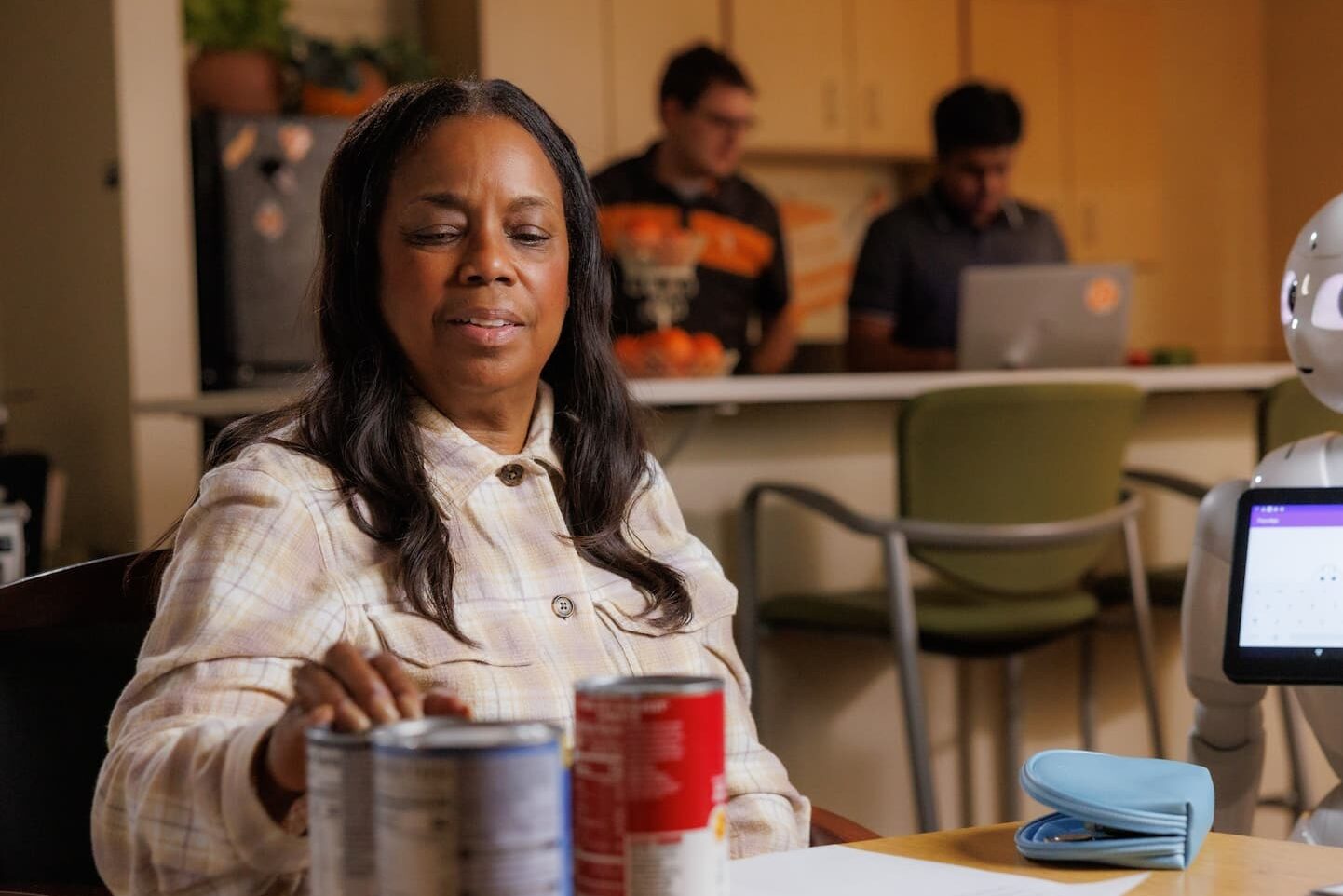
Capturing a holistic view of the home and investigating how dynamic environmental features relate to momentary dementia behavioral symptoms through ecological momentary assessments.

AI & Machine Learning Analytics
Utilizing machine-learning-based image analysis to extract diverse home environment features. By combining simulation lab data with real-world data, we build automated, predictive models that analyze daily routines and anticipate behavioral changes.

Targeted Interventions
Co-developing home environment modification strategies in collaboration with a community advisory board comprising experts, caregivers, designers, and community stakeholders. This approach supports caregivers in mitigating dementia behavioral symptoms by leveraging the core principles of our B-ART (Behavior and Psychological Symptom of Dementia Prediction and Recommendation Tool) intervention to proactively manage care.
Meet the Team
Chunhong Xiao
Lab Director
Xiao is an Assistant Professor in the College of Nursing and a member of the Precision Health and Environment Cluster. She earned her BSN with Honors from the University of Alabama at Birmingham and her PhD in Nursing in 2022.
Dr. Xiao’s research focuses on aging and dementia, particularly care-resistant behaviors and the management of behavioral and psychological symptoms associated with Alzheimer’s disease and related dementias. Her work integrates artificial intelligence and advanced data analytics to identify personalized behavioral patterns and develop precision health strategies that support individuals living with dementia and their caregivers.

Audrey Meadows
Project Coordinator
Meadows is a recent University of Tennessee graduate with a bachelor’s degree in Neuroscience and a minor in Public Health. Her interests center on mental health, emergency care, public health, health equity and rural health. As a research project coordinator, she works with Dr. Xiao and student research assistants to support project management. Audrey aspires to become a physician and improve the quality and accessibility of patient care through research-informed practice.
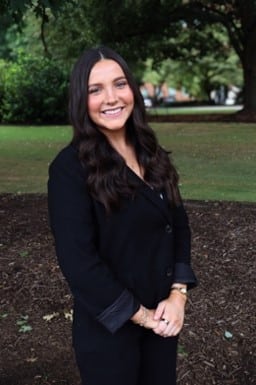
Chappell Mayes
Student Research Assistant
Mayes is a senior in the College of Nursing from Murfreesboro, Tennessee, pursuing a Bachelor of Science in Nursing with plans to become a pediatric nurse. She joined Dr. Xiao’s research lab to gain research experience and contribute to improving patient outcomes. Her personal experience with dementia has strengthened her interest in research and its impact on patients and families. After graduation, she plans to pursue a career in pediatric nursing and eventually become a pediatric nurse practitioner.
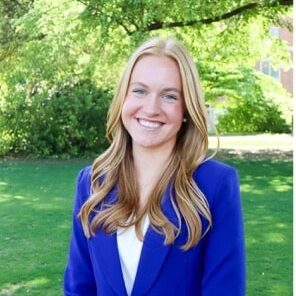
Anna Leigh Coleman
Student Research Assistant
Coleman is a junior BSN Scholar in the College of Nursing from Memphis, Tennessee. Her interests include research, evidence-based practice and dementia care, particularly the environmental and behavioral factors that influence patient outcomes and quality of life. As a research assistant, she hopes to support patients and caregivers while integrating research into her future nursing practice.
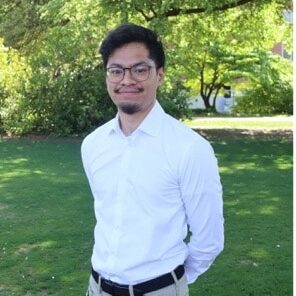
Ar-Rasyid, Ar-Raniry (Niry)
Student Research Assistant
Ar-Rasyid is an undergraduate pursuing a bachelor’s degree in Computer Science with concentrations in Machine Learning and Cybersecurity. As a research volunteer in Dr. Xiao’s lab, he is interested in emerging technologies, software development and ethical AI. He plans to pursue a Ph.D. in a related field.
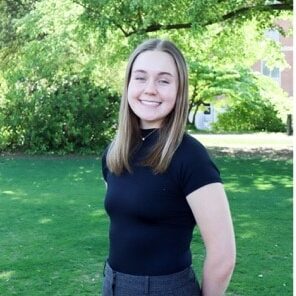
Darcy Hickey
Student Research Assistant
Hickey is pursuing a Bachelor of Science in Nursing degree with a minor in Nutrition. As a research assistant in Dr. Xiao’s lab and certified nursing assistant, she is passionate about patient-centered care and improving patient outcomes. She plans to become a nurse practitioner.
- If you are interested in participating in a research study that is open for enrollment, please call or text us at 865-974-3722 or e-mail us at [email protected].
- Interaction of Physical Environment and Behavioral Symptoms of Dementia
This study examines the relationship between the home physical environment and behavioral and psychological symptoms of dementia (BPSD), including agitation, anxiety, and mood changes, among individuals living with Alzheimer’s disease and related dementias (ADRD).
Over the 18-day study period, caregivers of individuals living with ADRD will report observed behaviors multiple times each day and provide photos of the home physical environment. Machine learning and artificial intelligence (AI) methods will be used to identify and characterize features of the home environment and examine their relationship with observed BPSD. The study aims to identify physical environment factors that may contribute to BPSD and develop a model to predict the likelihood of environment-related symptoms. The ultimate goal is to establish a framework for understanding the relationship between the physical environment and BPSD, providing a foundation for personalized home modifications that may help reduce the onset, frequency, and intensity of BPSD.- Collaborators
- Roberto Fernandez-Romero, MD, MPH, PhD
Director, The Pat Summitt, Neurologist - Yingbo Ma, PhD
Assistant Professor, Information Sciences - Joel Anderson, PhD, CHTP, FGSA
Joan L. Creasia Endowed Professor, College of Nursing
- Roberto Fernandez-Romero, MD, MPH, PhD
- Collaborators