VolBiome Lab
Advancing Biobehavioral Discovery at the College of Nursing
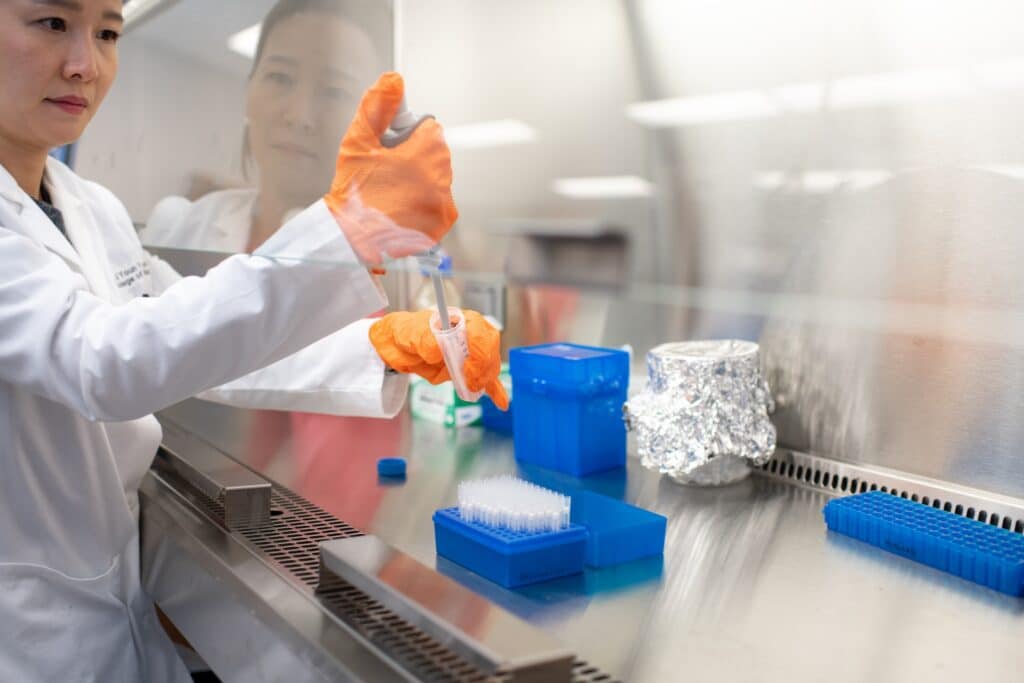
The Groer Family VolBiome Lab is a state-of-the-art biobehavioral research space that supports scientific discovery aimed at improving human health.
About
The lab’s work in nursing, biology, and behavior, explores how the body and mind interact and how these pathways influence health across the lifespan.
The lab enhances nursing science by uncovering biological mechanisms that inform clinical interventions, strengthen patient care, and inspire new approaches to prevention and treatment. From microbiome investigations to the identification of early biomarkers of disease, the VolBiome Lab serves as a bridge between scientific discovery and the practice of nursing.
A dedicated wet lab was first established in 2021 to support the work of faculty in the college. During planning for the new building, the dean collaborated with faculty to design and expand the current wet lab into the sophisticated research environment it is today.
Our Capabilities
The Groer Family VolBiome Lab is equipped with advanced tools that support cutting-edge biobehavioral research, including:
- Microbiome analysis (oral, gut, environmental)
- Metabolomics and transcriptomics
- Genetic and cellular assays
- Cell culture and molecular biology techniques
- Biomarker measurement for stress, inflammation, and immune function
- Secure sample storage and biorepository capacity
These capabilities enable researchers to investigate complex biological pathways, identify biomarkers, and explore connections between behavior, stress, disease, and health outcomes.
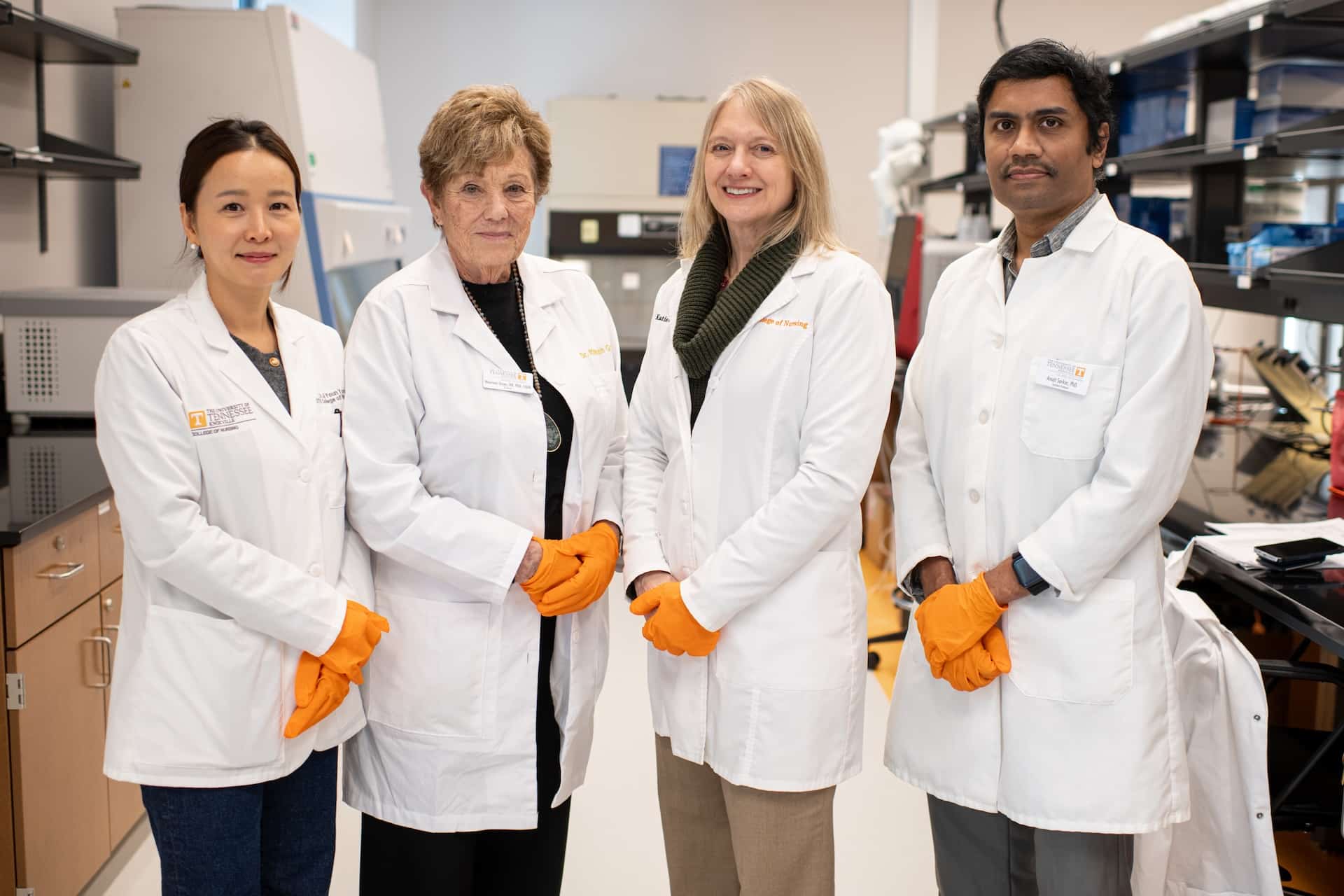
Meet the VolBiome Team

Maureen Groer
Research Professor & Lab Director
Groer joined UT’s College of Nursing in 1977, later becoming the college’s first associate dean for research. She launched NIH-funded research programs on maternal–infant health, stress, and lactation, building UT’s original wet lab for early biobehavioral studies.
After serving for 15 years as an endowed professor at the University of South Florida, where she directed a state-of-the-science biobehavioral lab and mentored postdoctoral scholars, including Drs. Yoo and Sarkar, she returned to UT as a part-time Research Professor.
Today, Groer analyzes hundreds of biological samples collected over her NIH-funded career to answer new and emerging research questions. Her current work examines whether biomarkers collected during early pregnancy can predict later complications such as preterm birth or preeclampsia. She also serves as a mentor to junior faculty advancing biobehavioral nursing science.

Ji Youn Yoo
Assistant Professor
Yoo is a nurse scientist with a PhD in Cell, Molecular, and Microbiology. Her research explores the human microbiome and its relationship to health outcomes, focusing heavily on the impact of trauma, occupational stress, and adverse childhood experiences.
She has conducted pioneering microbiome research within firefighter communities in the U.S. and Korea, examining PTSD, stress physiology, lifestyle factors, and gut-brain axis function. Her current projects investigate how severe stress affects microbiome diversity, composition, and abundance, particularly in vulnerable children. Most of her work centers on the gut microbiome and its connections to behavioral and psychological health.
Katherine Morgan
Assistant Professor
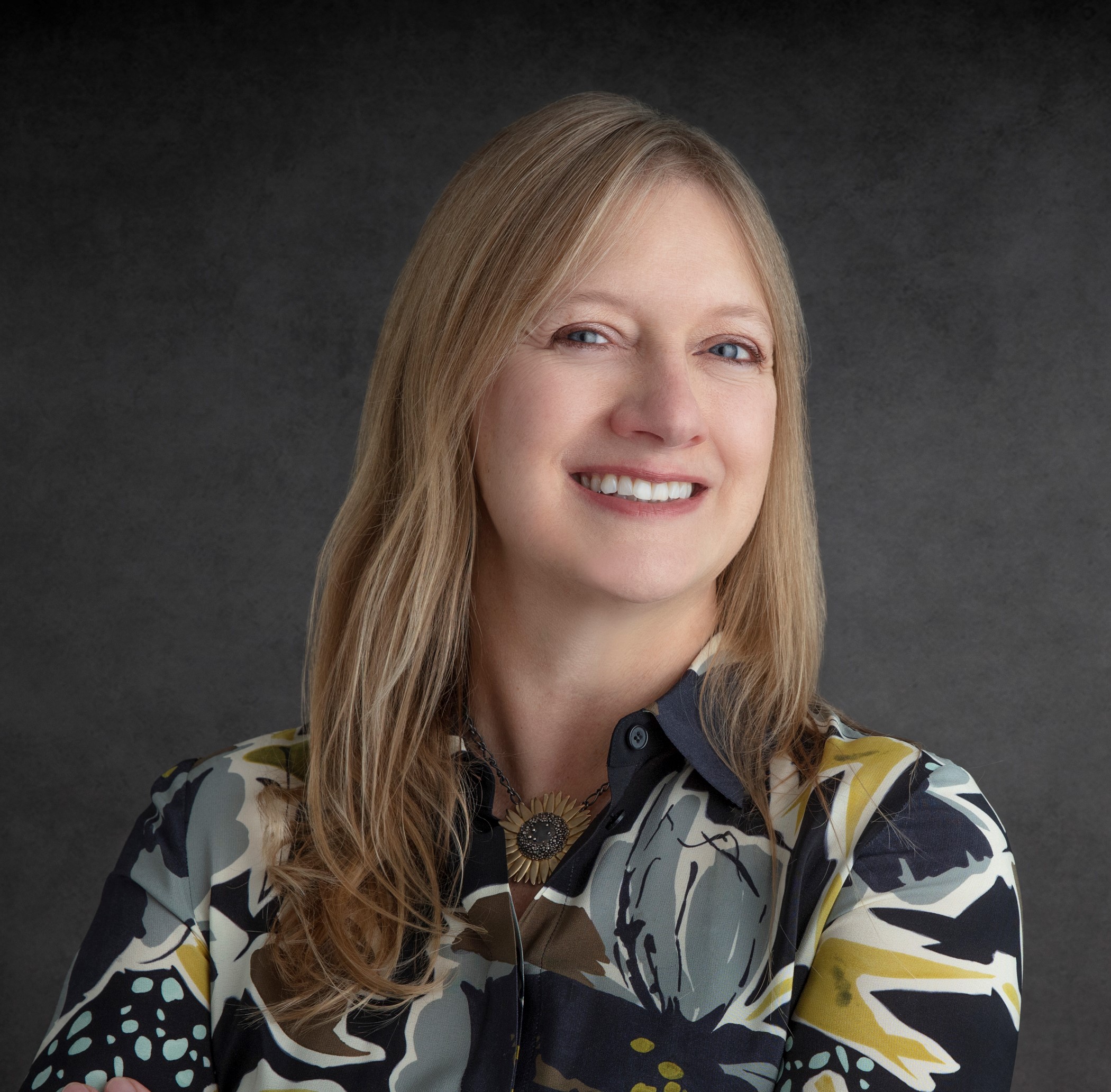
Morgan has taught at UT since 2007 and transitioned into a tenure-track role after completing her PhD in 2018. A board-certified family nurse practitioner with experience in primary care and neurology, she focuses her research on neurological disease and gut microbiome interactions.
Morgan holds a PhD in Comparative and Experimental Medicine. Her work examines how microbiome changes correlate with the onset of Alzheimer’s Disease, ALS, Parkinson’s Disease, and other neurodegenerative conditions. She seeks to identify potential intervention points to improve patient outcomes.
Anujit Sarkar
Assistant Professor
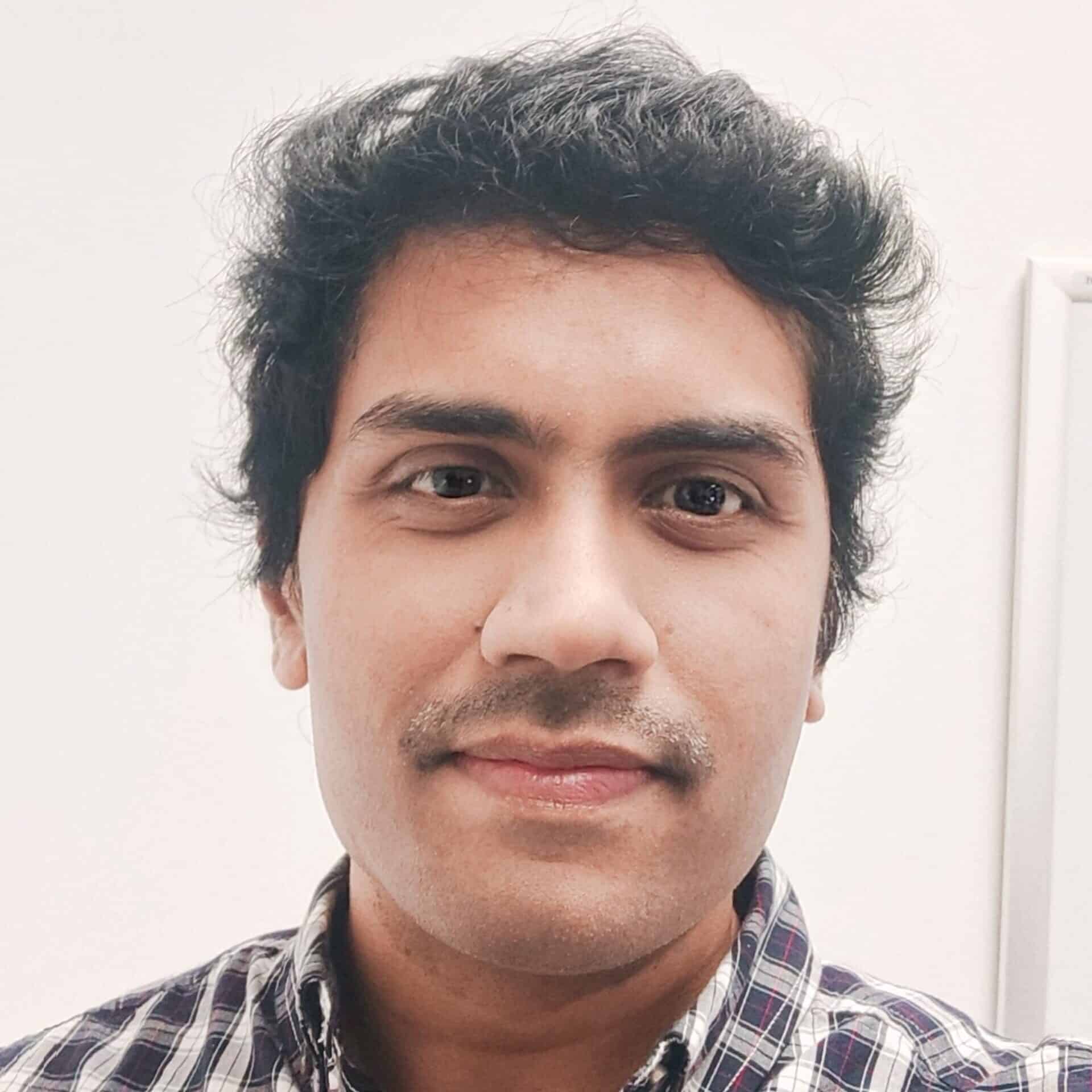
Sarkar holds a PhD in Genetics and specializes in understanding relationships between the oral and gut microbiota. His research investigates how microbes originating in the oral cavity may drive gut dysbiosis and contribute to metabolic disorders and other health complications.
An expert in bioinformatics, Sarkar collaborates closely with other faculty, providing analytical and methodological support across most VolBiome Lab projects.
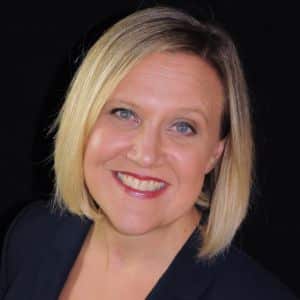
Jennifer Miller
Assistant Professor
Miller completed her PhD in Nursing at UT and completed postdoctoral training at the University of Kentucky. A neonatal nursing expert, her research focuses on infants born to mothers who experience substance use disorders. She examines both maternal pregnancy experiences and infant developmental outcomes, contributing essential knowledge to maternal–child health and nursing practice.
Contact Us
For general inquiries or to join a weekly Lab Group meeting contact Maureen Groer at [email protected].