Continuing a Legacy of Care

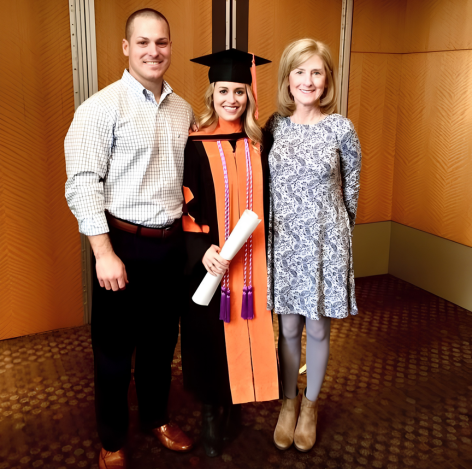
Elizabeth Sowell (’14, ’17, ’24 ) has embedded herself into the UT and nursing family for life. First as an alumnus and now as faculty, her nursing journey is deeply rooted in tradition, shaped by meaningful mentorship, and driven by a passion for advancing the future of our nursing students. 

A Fourth Generation Calling 

Nursing has always been a natural fit, an art and a science intertwined. As a fourth-generation nurse, she grew up surrounded by strong role models in the profession. Watching her mother and grandmother care for others inspired her early on, and she found that her love of science blended perfectly with the human-centered art of nursing. 

Her ties to UT run just as deep. Her mother, who grew up in Louisville, KY, chose UT for its strong nursing program and ended up meeting her father here. That connection to the College of Nursing is now shared across two generations. 

Memorable Faculty & Mentors 

During her undergraduate years, several faculty members made a lasting impact. She fondly remembers Laurie Acred-Natelson, who had also worked with her mother, and Gail Griffith, her first clinical instructor. Their dedication to teaching and investment in their students helped shape her early development as a nurse. Later, in her graduate studies, Karen Lasater became a key mentor, someone she now credits as a model for the educator she has become. 

Working alongside former instructors still feels a bit surreal, she admits, but also incredibly rewarding. 

Advice for Today’s Nursing Students“ 

“Nursing school is hard at every level,” Sowell says. “But stick with it.” 

Her biggest piece of advice is to develop strong time management and prioritization skills early on. And just as importantly: take care of yourself. She emphasizes that nurses must protect their own well-being, whether through regular exercise or personal time, in order to sustainably care for others. 

Her Current Role: From Clinician to Leader to Educator 

Her career began in the ICU and later as a family practice nurse practitioner. During that time, she decided to pursue her DNP, just as a new opportunity emerged with the college’s Community Registered Nurse Navigator Project. 

She stepped into the role of APRN director, overseeing 16 nurse navigators and providing clinical and administrative leadership for the multi-year grant. The position offered invaluable experience in management, evaluation, and large-scale public health work. 

When the grant concluded, her longtime goal became reality, and she transitioned into a faculty position. She now teaches in the graduate program, including core DNP courses and soon, clinical FNP courses. 

Most Rewarding Part of the Journey 

What stands out most to Sowell is the versatility of nursing. 

“You realize nurses are equipped to meet so many different needs,” she reflects. “We’re trained to think critically, lead, and adapt across settings.” 

Her experiences, from bedside care to community health to academic leadership, have shown her how wide-ranging and impactful a nursing career can be. 

A Passion for Preventive and Population Health 

She is especially interested in advancing preventive care and precision population health. Moving health care toward a model that is proactive rather than reactive. It’s an area she continues to explore in her teaching and scholarship. 

A Legacy of Giving Back 

Her connection to the college is also a family legacy. Her grandmother, a proud diploma nurse, established a scholarship to support future nursing students, an act of generosity that reflects her family’s commitment to the profession. 

“To help others become nurses means so much,” she shares. “We need nurses in so many ways, and I’m grateful my family can help provide that opportunity. It’s something they were incredibly proud of and something I’m proud to continue.” 

CONTACT:

Kara Clark Cardwell ([email protected], 865-974-9498)

College of Nursing Marks Five Months in New Home with Momentum, Community 

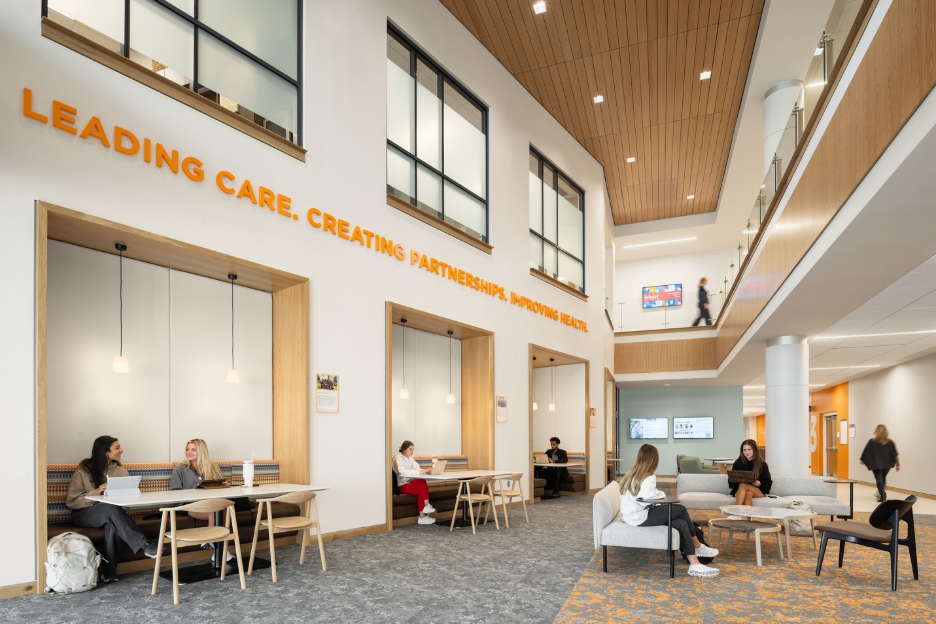
The college has completed its first five months in its new home with remarkable momentum, building connections, and a growing sense of community. Since opening its doors in August, the college has welcomed new and returning students, launched state-of-the-art simulation teachings, and cultivated a collaborative learning environment rooted in the Volunteer spirit. 

For many students, the new building has already transformed the nursing experience. 

“As a senior in the nursing program, the new UT Medical Nursing Building has given me something I didn’t realize I was missing, which is a true sense of community,” said senior Miana Rankin. “It is so special to finally have a place where all of us can learn, grow, and support each other under one roof.” 

A Strong Start to the Semester 

The fall semester opened with a ribbon cutting ceremony, students learning their way around, and the first classes held in the college’s advanced simulation and skills labs. By September, students had settled into routines of coursework, sim lab practice, and study groups, quickly building the supportive networks essential in nursing education. 

“I have never felt more part of a community thanks to the UT Medical Nursing Building,” shared senior Jiro Greenberg-Oster. “I see my classmates, professors, and colleagues every day pursuing their goals alongside my own.” 

A Semester of Milestones 

December marked a significant milestone as the College hosted its third pinning ceremony, the first held in the new building. The event celebrated not only the achievements of graduating students, but also the promise of a new chapter for the College of Nursing. 

“Since we have been in the new UT Medical Nursing Building, I have a renewed sense of pride,” said Takia Faniyi, Office of Student Services administrator. “Our space allows our team environment to thrive and creates a workplace that feels like home.” 

Graduate Programs assistant Katie Perry echoed that sentiment: 

“Even after being in the new building for several months, I still find myself in awe that we are finally here. Having a space for our students to experience the best education they can is rewarding in itself. It’s nice to finally have a home sweet home for nursing.” 

Students Find Their Home Base 

For many seniors finishing their final year, the new building represents both comfort and community. 

“As a senior nursing student, the timing of the new building could not have been better,” said Madison Dennis. “It’s become our home base for our final year. The place where we come together, support each other, and finish strong.” 

Others have celebrated the building’s features and its central location. 

“I absolutely love the new nursing building, especially all the different study spaces,” said Grace Li. “It has been an amazing experience utilizing the skills labs and SIM rooms. I love having all of my classes in a central location. My favorite thing is that the building faces Neyland, and when the weather is nice, I love studying on the patio.” 

Graduate clinical coordinator, Haley Hernandez, shared her thoughts. “It’s been wonderful being in the new building. After years of being spread across campus, it’s so nice to see all your colleagues in one place. Our graduate students have come to campus twice for doctoral intensives since the building opened, and having all their classes and events in one building has led to better networking and experiences with faculty and student colleagues. Having worked in the old nursing building and our temporary space on the Hill in the Nursing Education Building, I am so excited to settle into Nursing’s forever home.” 

Looking Ahead 

The new building has already become a place where students learn, faculty lead, and the Volunteer community grows stronger every day. As the College continues to expand its programs and experiences, its new home will remain at the heart of a bright future for Tennessee’s next generation of nurses. 

“Moving into the new building has truly felt like coming home; only this time, it feels like we’re home for good. I’ve already been able to reconnect with colleagues I’d only seen a handful of times since the transition, and it’s been such a gift,” shared clinical instructor Staci Wheeler. “What I love most is seeing our students finally have a place to call their own. They bring so much joy to this space.” 

CONTACT:

Kara Clark Cardwell ([email protected], 865-974-9498)

2025 A Year in Review

As we look back on 2025, the College of Nursing celebrates a year of incredible milestones, achievements, and growth. Here are the key highlights that shaped an unforgettable year:

January 

Nursing students in scrubs stand with a woman in blue pants and a blue jean jacket in Nyeri, Kenya.

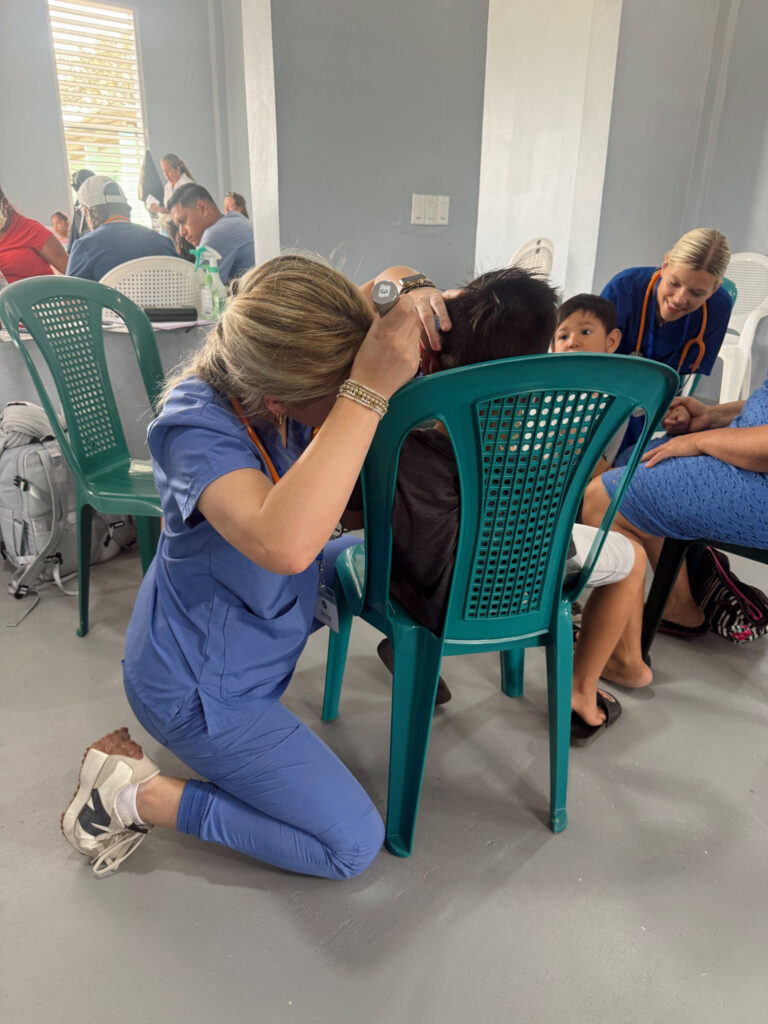
The year began with an international trip to Nyeri, Kenya. Nursing students and faculty have the opportunity to travel to Kenya each year, where they collaborate in a partnership with the WAKA Continuing Medical Education Center. Together, they work alongside local health care providers to deliver essential medical care to underserved communities. 

February

Headshot of Lainey Briggs

Nursing alum, Lainey Briggs, was named as a Volunteer 40 Under 40. Briggs began as an undergraduate student and recently graduated from the DNP program and is now an advanced oncology certified nurse practitioner. Briggs is dedicated to improving cancer care through leadership, innovation, and research. Her commitment extends beyond the clinic through extensive volunteer work and mentorship of future nurses as UT adjunct faculty.

March

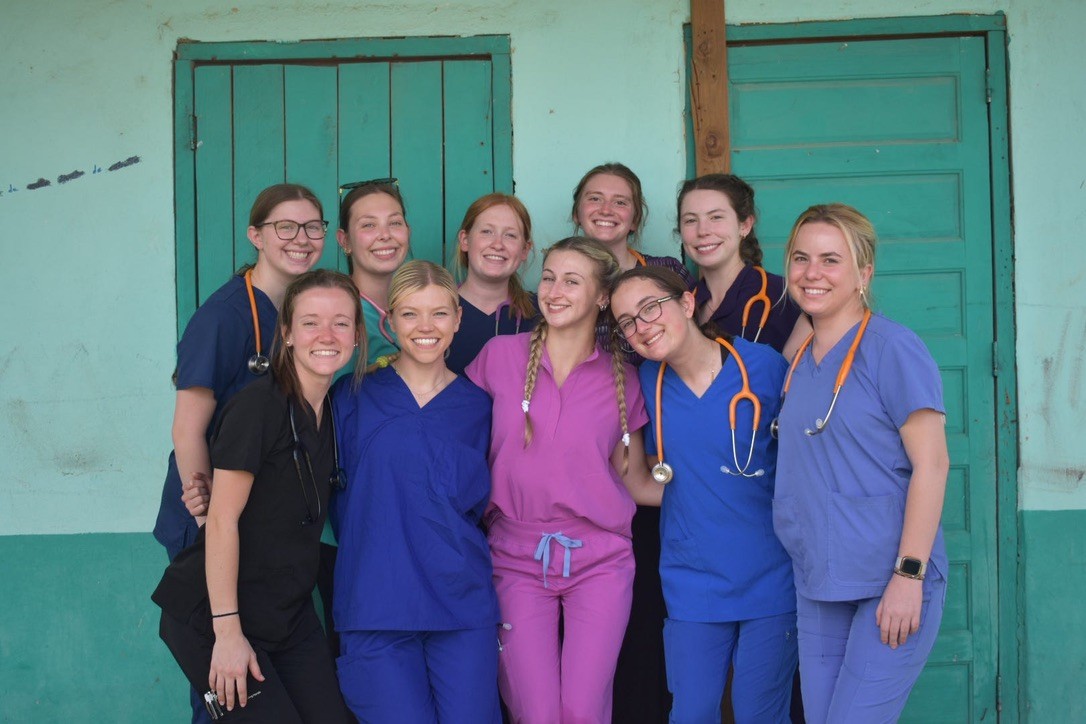
Eight female nursing students stand outside of a blue building in scrubs and sunglasses during a global trip.

Our global opportunities for the academic year concluded during the month of March. Nursing students and faculty traveled to Peru and Belize over spring break to blend education with service to provide health care and learn from international communities.

April

Five nursing students in scrubs standing outside of the library during the Great Expectations Conference.

The college and several partners hosted the inaugural Great Expectations In Health Care Conference in April. Nursing students, faculty, staff and friends welcomed Algood Middle School students for a day of learning, exploration, and hands-on experiences.

May

A young woman in graduation attire holds a framed certificate while standing between a man and a woman in professional attire. All three are smiling and posed in front of a black curtain with a large screen above them. The woman on the right wears an orange and white scarf, and the man on the left wears a suit with an orange tie.

Alumni, faculty, staff, students, and friends celebrated two large scale events in May. Alumni and friends gathered on May 6 to celebrate National Nurses Week at an alumni event. Later in the month, the college hosted its first pinning ceremony for traditional BSN students and ABSN students at the Knoxville Convention Center. Over 1,000 people gathered to celebrate this event.

June

Seven nursing students are standing in front of a blue bench inside East Tennessee Children's Hospital smiling and posing while holding a sign that reads "Welcome UTK Nursing Students".

A new partnership between the college and East Tennessee Children’s Hospital (ETCH) launched to help prepare future nurses for careers in pediatric care through an immersive, hands-on clinical training program. The Pediatric Registered Nurse (PRN) Enhancement Program offers rising senior nursing students the opportunity to gain specialized experience in pediatric care while completing their undergraduate degrees.

July

Three smiling women in sweaters pose professionally for a photo in front of a UT Medical Center sign.

In July, the college’s research excellence took center stage. Assistant professor and family scientist Patricia Roberson was recognized for her work bridging research and clinical care, advancing solutions to Tennessee’s most pressing health challenges. Fellow faculty member Ji Yoo, assistant professor, continued her focus on improving mental health outcomes for teens statewide, helping lead TennWell, a UT System Grand Challenge initiative aimed at supporting adolescent well-being.

August

Twelve individuals stand in front of a orange ribbon with scissors to cut a ribbon to a new building seen in the background with orange balloons surrounding it.

The college celebrated the milestone moment of the year with the official opening of its new building. Alumni, faculty, staff, students, and friends gathered for a ribbon-cutting ceremony and tours of the impressive 117,000-square-foot facility. The event also marked a significant step forward in the college’s partnership with UT Medical Center, highlighted by the naming of the new home for the college: the UT Medical Nursing Building.

September

Two females and a male in business attire stand in front of a staircase with a graphic of the torchbearer smiling.

After 15 years of exceptional leadership, Victoria Niederhauser, dean of the College of Nursing, announced her plans to retire at the end of this academic year. In the same month, the College of Nursing received a transformational gift from Lisa Edwards Reed (’86) and Greg Reed (’85, ’88), establishing the Lisa and Greg Reed Endowed Dean’s Chair. This investment ensures strong leadership for the college as it continues to expand programs, increase student enrollment, and prepare the next generation of nurses to meet the growing health care demands.

October

Rita Silen stands with a man in a orange jacket as she accepts an award on stage.

Two alumni were honored during the UT Knoxville Alumni Awards Program. Rita Silen and G. Rumay Alexander, who were honored by the university for their service and achievements.

November

Interior shoot of the college grand staircase leading down with a graphic of the torchbearer displayed on the wall.

The College of Nursing was granted full accreditation by the Commission on Collegiate Nursing Education (CCNE) for a 10-year term, extending through December 31, 2035. Achieving CCNE accreditation is a significant milestone that demonstrates the college’s commitment to academic quality, innovation, and continuous improvement.

December

An orange ribbon is tied on a piece of graduation regalia with a nursing BSN pin attached to it.

The year ended with our December pinning ceremony. This event marked our third stand-alone pinning ceremony, this special event celebrated the second cohort of BSN Scholars and RN to BSN students. It honored their achievements in a more intimate and meaningful setting.  

As we close the chapter on 2025, we are proud of all that we have accomplished together and look forward to continuing this momentum in the new year. Thank you to our students, faculty, alumni, and supporters for making 2025 a year to remember!

CONTACT:

Kara Clark Cardwell ([email protected], 865-974-9498)

Leaving a Legacy: How One Faculty Member Is Redefining Generativity in Nursing

As a PhD-prepared nurse practitioner and gerontologist, Assistant Professor Sarah Neller brings both heart and innovation to her work.

Neller, a Nashville native and mother of three, began her nursing journey at the bedside in a cardiac intensive care unit.

“I kept seeing the same patients admitted for heart failure management,” she said. “It made me wonder what kind of care they were receiving in their communities.”

That curiosity launched a path toward advanced practice, research, and eventually a PhD.

It was Neller’s experiences in the ICU, especially the sacred moments when life-sustaining treatment was withdrawn, that lit her passion for helping patients and families communicate their hopes, values, and legacies. Her research now focuses on legacy creation as a tool to promote generativity, intergenerational connection, and well-being among older adults.

“A legacy of values is a nonlegal way for individuals to intentionally communicate emotional and supportive instruction such as values, beliefs, wisdom, and life lessons learned, that has been or is intended to be shared with family, friends, or community,” said Neller. “It’s also known as an ethical will or legacy letter. I’ve learned so much from my participants about how impactful the process of creating a legacy of values is.”

Thanks to the Allison and Patrick Harrison Nursing Innovation Award, Neller was able to present her work on legacy letters at the Gerontological Society of America’s national conference, where she also co-led a workshop on mentoring emerging researchers in the field.

“Attending the conference gave me an opportunity to connect with colleagues, share ideas, and learn new methods,” she said.

Established in 2016, the award supports innovative research and educational efforts that advance health care.

“Supporting research of the graduate- and faculty-level nurse is important for creation of new knowledge,” said Allison Harrison. “This was an area of need within the College of Nursing identified by the dean when Patrick and I made our initial pledge. The recipients and their important areas of research are impressive.”

For Neller, the support has allowed her to amplify her impact and connect her work to a broader network of scholars and practitioners.

“This research redefines legacy creation as more than an outcome of generativity. It explores its potential as a mechanism to cultivate generativity, offering a novel approach to promoting intentional living, self-growth, and intergenerational connection among older adults,” Neller added. “Through the creation of legacy letters, older adults can reflect on their values and life lessons, leaving behind a meaningful and enduring message for loved ones.”

Neller’s work continues to expand through collaborations with the University of Utah and the University of Alaska, exploring legacy creation and cultural approaches to aging well.

She brings the same spirit to her students, challenging them to think beyond clinical care and consider the impact they’ll have in every role they play as nurses.

“To the Harrison family, thank you,” Neller says. “Your generosity has not only supported my professional growth but also encouraged me to keep pursuing this meaningful work. Thank you again for believing in the next generation of nursing researchers.”

CONTACT:

Kara Clark Cardwell ([email protected], 865-974-9498)

Trusting Her Gut: Groër’s Gift, Mentorship Support New Era of Research

Through her generosity and expertise, Research Professor Maureen Groër (MSN ’80) is helping accelerate laboratory research in the College of Nursing.

Groër, now 80, has devoted over 40 years of her nursing career to biobehavioral research, investigating the links between biology and behavior.

The new College of Nursing Building includes the Groër Family VolBiome Lab, a 1,200-square-foot state-of-the-art facility named in honor of Groër’s $250,000 gift, which created the Dr. Maureen Groër Nursing Research Endowment. Annual earnings from the endowment will support lab research projects by funding equipment purchases, publication expenses, professional development opportunities, consultants’ fees, and data collection and analysis.

Headshot of Maureen Groer

Groër will conduct her own research in the lab and mentor junior faculty studying the connection between what happens in the gut and what happens in the brain.

“The gut is like a grand master of many other systems of the body,” Groër said.

From Polio Survivor to Research Professor

Groër decided she wanted to be a nurse after surviving polio as a child.

During her hospitalization and rehabilitation, she was cared for by a small army of nurses. The experience sparked her desire to care for the sick.

After becoming a nurse, Groër earned a bachelor’s degree in biology from Newton College of the Sacred Heart in Boston, a master’s degree in biology from Boston University, a doctorate in human physiology and biophysics from the University of Illinois Medical Center, and a Master of Science in Nursing from UT.

From 1977 to 1992, Groër served on the college’s faculty as an associate professor, professor, and director of the doctoral program.

After a five-year stint at Massachusetts General Hospital’s Institute of Health Professions in Boston, Groër returned to UT from 1997 to 2006. She was associate dean for research and evaluation, conducting research and mentoring colleagues in the small Kenneth Walker Biological Laboratory.

In 2006 Groër UT left for the University of South Florida, and the College of Nursing’s biological research “took a hiatus,” in the words of Associate Dean of Research Tami Wyatt.

In 2022, after retiring from USF, Groër moved back to Knoxville to be closer to her grown sons and grandchildren. Though in her late 70s, she wasn’t ready to hang up her lab coat. She returned to the college as a research professor to continue her own research, present guest lectures, and mentor junior faculty.

Groër’s return has helped reinvigorate the college’s biological nursing research. And now, Wyatt said, “It’s definitely part of our research model.”

Groër said the name VolBiome was coined by the research team.

“We always try to have nifty names for grants and projects,” she said. One researcher suggested that the lab’s name should have Vol in it; Groër said they should add Biome since that’s the focus of their research.

By emphasizing the biological angle, the VolBiome Lab expands the college’s research, which has traditionally been more focused on behavioral and social sciences.  

Eye to the Future

In the Groër Family VolBiome Lab, nursing faculty will study issues at the intersection of biology and behavior, such as the links between stress and immunity, the health impacts of childhood trauma, the long-term effects of low-birthweight babies spending long stretches in the neonatal intensive care unit, and neonatal abstinence syndrome, a condition that occurs in newborns when they are exposed to certain drugs such as opioids before birth.

Groër herself is analyzing 740 samples of blood and cells collected from pregnant Hispanic women. The data will help her study the metabolism of expectant mothers to look for early pregnancy clues that can predict dangerous labor outcomes like pre-eclampsia and gestational diabetes.

“We explore relationships in new ways using very sophisticated artificial intelligence computer-assisted approaches,” she said.

Groër is mentoring several junior faculty engaged in biological research in the VolBiome.

She is working alongside Assistant Professor Ji Youn Yoo and Research Assistant Professor Anjuit Sarkar on the TennWell Project, funded through the UT System’s Grand Challenge Grants Program. The project’s goal is to understand how social determinants of health and physiological factors such as the gut microbiome affect academic performance and overall well-being in adolescents.

Both Yoo, of South Korea, and Sarkar, of India, completed postdoctoral study with Groër at USF and followed her to UT.

“Yoo is a nurse with strong microbiology training and is interested in early-life stress and stressful occupations and the microbiome,” Groër said. “Sarkar has a PhD in genetics, and he does bioinformatics analysis for the team.”

Two other junior faculty members working with Groër in the lab are Assistant Professor Katherine “Katie” Morgan, who is studying microbiome and metabolome in neurodegenerative diseases, and Assistant Professor Jennifer Miller, who is focusing on neonatal abstinence syndrome.

As the college begins a new chapter in the scope of its research, Groër’s name on the lab is a footnote to her role in making that happen.

“The fact that the College of Nursing has a sophisticated lab like that makes us premier,” she said.

CONTACT:

Kara Clark Cardwell ([email protected], 865-974-9498)

Alspaugh Named ACNM Fellow

Amy Alspaugh, assistant professor at the college, has been named a 2025 Fellow of the American College of Nurse-Midwives. The ACNM Fellowship honors certified nurse-midwives whose contributions have significantly impacted the profession.

“It’s a real honor to be named an ACNM Fellow,” shared Alspaugh. “Being a midwife is such an important part of my identify and outlook on life, so naturally it was always something I wanted to study when my focus shifted to research. Exploring understudied issues that help grow and diversify with midwifery workforce means that more people have access to the high-quality, patient centered care that midwives provide.”

A certified nurse-midwife and scholar, Alspaugh’s research focuses on improving the sexual & reproductive health care encounter from both the patient and provider’s experience.

Her current projects include exploring the experiences of midwives during their clinical education, studying the sexual and reproductive health care experiences of individuals across Appalachia, and a newly funded project on exploring the impact of policy on an individual’s ability to work as a midwife.

Alspaugh has published extensively in high-impact journals, including Nursing Outlook, Journal of Midwifery & Women’s Health, and BMJ Open. She is also a contributing editor for the Journal of Midwifery & Women’s Health.

In addition to her research, Alspaugh has taught both undergraduate and graduate nursing courses and mentors numerous student researchers across disciplines. She is an affiliate of UT’s Appalachian Justice Research Center, Center for the Study of Social Justice, and Women, Gender, and Sexuality Studies Program, reflecting her commitment to interdisciplinary collaboration.

Before joining the UT College of Nursing faculty in 2021, Alspaugh worked as a Certified Nurse-Midwife in a Title X Family Planning Clinic in Durham, NC. She also held academic positions at the University of North Carolina at Chapel Hill and Duke University. She earned her PhD in Nursing Science from the Medical University of South Carolina, an MSN in Nurse-Midwifery from Vanderbilt University, and a BA in History and Russian from Haverford College.

CONTACT:

Kara Clark Cardwell ([email protected], 865-974-9498)

Philanthropy Is the Volunteer Creed in Action

The University of Tennessee’s Volunteer Creed offers a challenge and a promise: “One that beareth a torch shadoweth oneself to give light to others.”

Philanthropy is the living expression of that torch.

When donors give, they portray the Volunteer spirit—using their generosity to help others shine, often without seeking to spotlight themselves. Those contributions provide pathways for students, uplift communities, and ignite innovation.

Two women in regalia pose smiling for a photo.

In the College of Nursing, shining examples abound:

When longtime faculty member Mary Gunther (BSN ’91, MSN ’92, PhD ’01) passed away in 2021, she left her entire estate to fund much-needed scholarships for PhD nursing students.

Leading nurse scientist Maureen Groër (MSN ’80) established a $250,000 endowment to provide long-lasting support for the college’s research program.

And alumna Amy Neil (BSN ’00; MSN ’07) channeled her grief from losing her newborn son into funding part of the college’s Precious Prints Project.

Diannah Eagle, senior director of advancement, said the college has about 100 fully endowed funds, which together yield about $450,000 a year. The college raises about $3 million in new support annually. In the past few years, the college has also raised nearly $9 million to support its building campaign, with a goal of raising $12.5 million.

With the demand for nurses outpacing the supply, the college is always looking for ways to provide student support and grow its programs.

Philanthropic investments like those from Gunther, Groër, and Neil—and many other named and unnamed individuals, organizations, and community partners—are critical to the college’s mission and exemplify the Volunteer Creed.

“Donors’ contributions support student scholarships, faculty work, travel, research—it helps us recruit and retain the best and brightest nursing faculty,” Dean Victoria Niederhauser said.

Scholarships can free students to focus on their studies without holding side jobs and allows them to graduate with less debt. Donated funds also help offset the cost of students’ international service-learning trips and conference travel.

And with the uncertainty of federal funding, the college may have to rely more on donors “to pick up the funding for very important initiatives that are no longer being financially supported by external organizations,” Niederhauser said.

Partners Invest in Future Workforce

The US Health Resources and Services Administration estimates that the nation will see a shortage of 63,720 full-time RNs by 2030.

The College of Nursing—now ranked 19th among public universities nationwide by U.S. News & World Report’s Best Colleges—is trying to help fill the gap. With roughly 1,350 students, enrollment is at an all-time high.

“My anticipation is in the next couple of years, we will reach close to 1,500 students,” Niederhauser said.

That’s especially good news for area hospitals. Niederhauser said 60 to 70 percent of UT nursing graduates stay in Tennessee; of those, 60 percent stay in Knoxville.

Two programs established in partnership with UT Medical Center—the Accelerated BSN Scholars and the BSN Scholars Program—are boosting the college’s enrollment while creating a pipeline of nurses for UTMC.

Accelerated BSN Scholars is part of the 12-month nursing education program for students with non-nursing bachelor’s degrees. A $1 million endowment funded by UTMC, supplemented with funds provided by UT in addition to those allocated by the college, provides Accelerated BSN Scholars with a $12,776 scholarship. They agree to work at UTMC for three years after graduating, benefiting the entire region.

Five females in scrubs stand smiling outside of UT Medical Center

The BSN Scholars Program, which launched in fall 2023, graduated its first class of 40 nurses in December 2024. The newest class has 108 students.

As part of the program, fully funded by UTMC, BSN Scholars receive last-dollar tuition assistance in exchange for a three-year work commitment following graduation. They learn in a state-of-the-art facility at the UT Research Park at Cherokee Farm, with learning labs, simulated hospital suites, and technology-enhanced classrooms, and they complete their clinical rotations at UTMC. By graduation they are already familiar with the medical center’s equipment, systems, and culture, helping to ensure a seamless transition into their nursing career.

In recognition of the generous support of these programs, a student commons area in the new building will bear UTMC’s name.

The college’s long-standing partnership with UTMC got a boost this year when Niederhauser was named associate senior vice president for nursing academic-practice partnerships at UTMC, and Sandy Leake, senior vice president and chief nursing officer at UTMC, was named associate dean for academic-practice partnerships at the college.

Through these unpaid appointments, Niederhauser and Leake confer about the hospital’s nursing needs and how the college can help.

“It recognizes that both of us are committed to each other’s organization,” Niederhauser said. “We are willing to invest our time to develop a relationship that helps us understand what’s going on in each other’s world.”

To better prepare graduates to care for children and their families, an innovative partnership between the college, a philanthropic donor, and East Tennessee Children’s Hospital began this summer. The year-long program provides student scholarships and enhanced pediatric educational opportunities for rising senior BSN students.

“We are moving from we and them to an integrated model,” Niederhauser said. “The health care institutions invest and become partners in creating a better prepared nursing workforce.

Scholarships Support Students

“Thanks to generous donors, the college was able to award nearly $525,000 in scholarships this past year, increasing by over $250,000 in a year’s time,” Niederhauser said.

Despite that growth, fewer than half of all nursing students who apply for scholarships receive funds. Fees for undergraduate and graduate programs vary widely, ranging from $24,000 to $100,000. The average scholarship award for undergraduates is only about $2,500 per student.

Among the newest support for scholarships are two significant gifts:

The Boyd Foundation, headed by UT System President Randy Boyd, donated $1 million, half of which was added to the Susan L. Moeller Memorial Scholarship Endowment. The Moeller endowment, created in 1978, honors the memory of a nursing student who was the college roommate of Boyd’s wife, Jenny. Moeller died in a car wreck while she was still a student. (The other half supports the building fund.)

A new $1 million gift from the private Bedford Falls Foundation, started by Carlyle Group co-founder William Conway Jr. and his late wife, Joanne, established the Joanne and William Conway Nursing Scholarship, which will provide scholarships averaging $8,750 per year to 60 BSN students over three years. It also created the Joanne Barkett Conway Angel’s Wings Emergency Fund. Emergency awards help students through difficult situations such as traveling home to attend a funeral or escaping a domestic violence situation.

For students like senior Jiro Greenberg-Oster of Memphis, who wants to be a psychiatric nurse, scholarships help tremendously.

A male is seen holding a baby and smiling looking at it.

“Thanks to donors’ generosity, I can prioritize my time focusing on my studies. Without the scholarships, I would have to set school aside to work longer hours,” he said. “The donations exponentially grow by guaranteeing a nursing education to people like me who can then touch many lives and contribute to making the world a better and healthier place.”

Contribution Bolsters PhD Program

The Dr. Mary Gunther Scholarship for PhD Students, given for the first time this past year, provides $10,000 one-year awards for four PhD students annually.

Sandra Thomas, PhD program chair, said enrollment in nursing PhD programs has declined nationwide since Doctor of Nursing Practice programs launched about 25 years ago. PhD programs prepare nurses for careers conducting research in academia and other organizations; DNP programs prepare nurses for advanced practice clinical roles and administrative leadership roles.

Dwindling enrollments in PhD programs make it more difficult for UT and other universities to fill faculty positions.

“Applicants for BSN and graduate nursing programs are being turned away because of the critical faculty shortage, which exacerbates our national nursing shortage,” Thomas said. “The American Association of Colleges of Nursing in October 2024 reported that there were almost 2,000 faculty vacancies. With nearly half of the current PhD faculty expected to retire within the next two years, the shortage is rapidly worsening.”

UT’s PhD program—a three-year distance-based education program—currently has 27 students. It enrolls about 10 new students each year, holding steady at about 30 students since its inception in 1989.

“If we had more scholarships for our PhD students, I think we’d be able to recruit more students,” Niederhauser said.

Thomas said some private universities, including Emory and Vanderbilt, entice PhD students with full-ride scholarships.

“We try to make sure all PhD students get some kind of financial assistance, but full tuition waivers and stipends generally aren’t available,” Thomas said, adding that more gifts like Gunther’s could help the college provide a greater level of financial support.

Gifts Help Bridge Research Funding Gaps

UT, like other large universities, is a research workhorse.

“Research does not make money. Discovery is expensive. It is a service,” Associate Dean of Research Tami Wyatt said.

Niederhauser said the college is building research expertise in areas like heart disease prevention, caring for caregivers, end-of-life support, chronic disease management, and the link between the microbiome (that is, gut health) and health outcomes.

The college’s federal funding for research has grown exponentially. Almost 87 percent of the more than $7 million in external funding the college received in fiscal year 2025 came from the US Centers for Disease Control, the National Institutes of Health, and other agencies that are now facing spending cuts and being asked to shift priorities.

With college researchers across the country in the same predicament, competition for private dollars will increase.

Only about a fourth of the college’s 100-plus endowments are earmarked for faculty stipends, research endeavors, or recruitment and retention, Eagle said.

One of those is the Allison and Patrick Harrison Nursing Innovation Award, which provides selected faculty with one-time awards for innovative teaching or research. The annual award is now about $2,600 and will increase each year as the endowment grows. Faculty often use the money to pay for research assistants, travel to present research findings, and pilot studies that can lead to larger grant funding.

Donors Help Fund New Building

Interior shoot of the college grand staircase leading down with a graphic of the torchbearer displayed on the wall.

The college’s new $85 million 117,000-square-foot building holds many tangible reminders that philanthropic investments are vital to the college’s people, programs, and facilities.

The College of Nursing extended its partnership with the University of Tennessee Medical Center through the sponsorship of the new UT Medical Nursing Building.

Half of the Boyd Foundation’s recent $1 million gift went to support the building fund. In acknowledgment, the building’s 250-seat lecture theater will be named in memory of Jenny Boyd’s college roommate, Susan Moeller.

College of Nursing Advisory Board Chair Lisa Reed (BSN ’86) and her husband, Greg Reed (BA ’85, JD ’88), recently established the Lisa Edwards Reed Nursing Scholarship Endowment. The building’s home health care suite—a simulated apartment where nursing students practice home health care skills—will be named in their honor. In addition to the Reeds’ building gift, they also created the Lisa and Greg Reed Endowed Dean’s Chair. Earnings from the endowment will support top college priorities for generations to come.

The state-of-the-art Groër Family VolBiome Lab recognizes Groër’s support of the college’s research program.

The building also will have enhanced spaces for simulated learning. Simulation allows students to use manikins and other technology to practice skills and deliver nursing care. Furthermore, the new spaces provide a venue for faculty to conduct research on topics like medication error prevention and test products such as a self-care support robot for dementia patients or new phone and computer applications to improve health.

Simulated learning is supported by proceeds from the college’s annual NightinGala fundraiser as well as the generosity of donors.

For instance, retired faculty member Mary Lynn Brown (BSN ’71), created an endowment that supports faculty members in attaining national certification as a health care simulation educator.

Also, Wyatt said, college faculty are engaged in an unprecedented level of interdisciplinary research. By collaborating with experts from other fields, “you approach the same problems, but in a different way,” she said.

Several college faculty members are involved in interdisciplinary research at the new Center for Precision Health, a 15,000-square-foot facility on the third floor of UTMC’s Orthopaedic Institute at the UT Research Park at Cherokee Farm. Precision health individualizes treatment by considering a patient’s genetics, family history, personal history, environment, and other social determinants of health.

Between the new nursing building and the Center for Precision Health, nursing faculty may have the best research facilities they’ve ever experienced.

“For the past 10 years, we have not had lab space of any sort—no space to conduct assessment, do lab benchwork, conduct interviews,” Wyatt said. “Now we have that space and capability.”

Gifts Help College Aid Community

UT’s Center for Nursing Practice, whose programs include the Vine School Health Center and the Precious Prints Project, was created in 2015 with a generous donation from the late Poppy Buchanan, a public health nurse, and her husband, the late physician Richard Buchanan.

The Vine School Health Center has been providing health care services to children and families across Knox County for 30 years. Supported by patient fees, philanthropic donations, and private, state, and federal grants, the center sees about 7,000 patients each year.

Precious Prints, which began in 2012, provides families who have lost a child with a silver charm bearing the fingerprint of their child. Active in 10 area partner hospitals, the program has given away more than 2,400 pendants. Donations help purchase print kits, train nursing staff to use them, and support student engagement.

At UTMC, Precious Prints is sponsored by Neil and her family through the Luke Hudson Neil Foundation, a nonprofit organization created by Neil and her sister Jennifer Hong (BSN ’05) to honor Neil’s late son.

Neil said she wanted to support Precious Prints because of the comfort she’s received from her charm with Luke’s fingerprint.

“I wear it every day,” she said. “It’s a piece of Luke that I’m able to have with me.”

Another gift from Poppy Buchanan helped fund Helping Babies Breathe simulation equipment used to train students in neonatal resuscitation at UT and in Kenya, where  College of Nursing students travel for a global studies program.

Bearing the Torch, Giving Light

From grateful alumni who want to give back to foundations that provide big-dollar support, philanthropic funding is critical to the college’s current and future success.

“We are so thankful for our donors,” Niederhauser said. “All donations, small and large, make a difference—in the spirit of our Volunteer Creed, the generosity of donors provides a torch that will help guide the college into its future. These funds give us the added ability to support our students, advance our research mission, and sustain programs that both train our students and provide important health services for the community.”

To give to the College of Nursing visit this link.

CONTACT:

Kara Clark Cardwell ([email protected], 865-974-9498)

Resilience in Action, PhD Spotlight

For more than a decade, Stephanie Fancher worked in acute care pediatrics, often on the front lines of children’s health. In 2019, while working in a children’s emergency department, she noticed a troubling trend. More children were arriving with illnesses that vaccines could have prevented.

“That realization unsettled me, and it lingered,” Fancher shared.

One encounter left a lasting mark. A young boy came in with a badly lacerated leg, and when his provider recommended a tetanus shot, his mother was hesitant.

“She was willing to hear us out,” said Fancher. “We fielded her questions such as, “What is tetanus?” “What ingredients are in the vaccine?” “What side effects could she expect?”, all while trying to preserve her trust and advocate for her child’s health.”

The boy ultimately left the ER with his first tetanus vaccine.

“That moment stayed with me,” she recalls. “We were proud, but I kept thinking about how hard it was to find simple, clear, jargon-free, and respectful resources for families. Nursing and medicine shouldn’t be this hard.”

Encouraged by a friend and later inspired by a conversation with a mentor, Fancher realized the best path forward would be pursuing a PhD in nursing.

Research with Purpose

From the start, her research has centered on child advocacy, preventive care, access barriers, health policy, and vaccines.

Children and their well-being have always been at the center of Fancher’s heart.

“Children deserve every opportunity for a healthy future, unscarred by illnesses we know how to prevent,” she says. “Vaccines are one of the most powerful tools we have to protect them.”

For Fancher, the research is more than an academic exercise. It’s a pathway for nurses to turn hard questions that they face into solutions, practice and policy.

“I realize that if we don’t step into this space as nurses, others will, and I think health care is beginning to see that,” shared Fancher. “Nurses are closest to patients and families. We understand their struggles. So, who better to generate the evidence and speak life into policies that affect them? My research encompasses the perspectives of nurses, schools, and the community—voices that are often missing in policy rooms and decision-making processes.”

Fancher also emphasizes that the skills gained from the PhD program, such as problem framing and critical thinking, are not just for research but for life.

“What I’ve learned has empowered me to advocate more effectively,” she said. “Whether a patient is in a health crisis or for a system-level change. Research is a different form of advocacy and it’s another path to care for families. If I can use my PhD to offer a louder voice, or a better life for someone, every obstacle, every late night, every setback will have been worth it. Nurses strengthen the profession’s voice and nursing research redefines what’s possible for patients and for health care.”

Resilience Through Challenge

Fancher’s PhD journey has been anything but ordinary. After her first year in the program, she found out she was pregnant and a few short months later faced a brain cancer diagnosis.

“The encouragement of  Tami Wyatt, associate dean of research has been the most rewarding parts of this journey,” Fancher said. “PhD education isn’t about memorization. It’s about learning to think differently, ask better questions, to push and pull, and to embrace discovery. Having professors who believed in me, even during life’s hardest seasons, kept me going.”

She also found strength through the stories of others, including former PhD students and even strangers like Dr. Christina Costa, whose TED talk on gratitude reshaped her perspective on challenges.

Costa was diagnosed with the same type of cancer as Fancher during her PhD program.

“Gratitude changes your brain chemistry,” she explains. “It gives you the courage to stand up, take the next best step, and keep moving.”

Throughout the process, Fancher has learned just how resilient she is.

“This program has witnessed me get knocked down and then slowly and steadily get back up again and again,” she added.

Lessons in Self-Advocacy

Her research training has not only shaped her scholarship but also empowered her personal health journey.

“When you choose to fight, you don’t cherry-pick,” said Fancher. “You clear the path because you cannot walk with hope and faith without a footing.”

When her insurance initially denied coverage for a cancer treatment device, she drew on her skills as a researcher and advocate to appeal the decision and won.

“My PhD training taught me to view problems through multiple lenses, pause before forming opinions, and seek evidence before acting,” she says. “That approach helped me advocate for myself with confidence.”

Looking Ahead

Fancher hopes to use her PhD to influence public health policy in Tennessee, bringing the voices of nurses, caregivers, patients, and survivors to the table.

“My greatest hope is to use this degree to advocate for Tennesseans’ public health,” she added. “I hope to be a voice in policy conversations, to testify not only as a researcher but as a nurse, a caregiver, a patient, and— importantly—a survivor.”

Her message to fellow students facing challenges is simple:

“Keep knocking on doors. Don’t let a professor, a provider, or even your own doubts stop you. Your past or current situation does not define your future—you get to write that story.”

Today, Fancher’s cancer is undetectable and she is working towards finishing her dissertation.

CONTACT:

Kara Clark Cardwell ([email protected], 865-974-9498)

Knoxville Runners: College of Nursing’s Precious Prints 5k will be held November 1 through November 8

Registration is open for the 2025 Sprint for the Prints 5K Run & Walk. This annual event supports the Precious Prints Project, which provides free sterling-silver fingerprint pendants to families who are grieving the loss of a child.

Since its launch in January 2012, the Precious Prints Project has grown significantly and now serves families across multiple health systems.

UT nursing students manage the project in its entirety. They collect funds year-round to buy materials to produce the charms, and train nurses in area hospitals on obtaining fingerprints and caring for the families during their devastating loss.

“Our student team consists of ten upper division nursing students who lead the volunteer management process, acquire items for the event’s silent auction, and delegate tasks to our team to ensure a successful event,” shared Kayla Krueger, faculty advisor for the project. “The team also leads educational training sessions for nurses in the community on how to create a Precious Print. Additionally, they promote the project through other initiatives, such as the creation of Precious Prints Project merchandise for fundraising, supporting events in the community related to pregnancy and infant loss, and helping to expand the project through local and national dissemination efforts.”

Event details for 2025

  • Format: Hybrid 5K Run/Walk — participants may choose to join in person or complete the 3.1-mile distance virtually.
  • In-person component: Held at the UT Gardens in Knoxville on November 8. UT Nursing students will provide an opportunity for participants to place fingerprints on a memory canvas, and other commemorative activities.
  • Virtual option: Participants may complete the 5K on their own route during the designated virtual window of November 1-8.

“Grieving the death of a child is a deeply emotional and often isolating experience that can significantly impact families,” said Jeanne Jenkins, associate dean of practice and global affairs. “The Precious Prints Project is supported through donations from private organizations and individuals who have experienced loss or know someone affected by it. The fingerprint charm provides a meaningful, tangible keepsake to honor their child’s memory. The 5K run and walk is an opportunity for friends, family, and community partners to come together in support of this initiative, raising funds to ensure its continued impact.”

Please register by November 6.

CONTACT:

Kara Clark Cardwell ([email protected], 865-974-9498)

College of Nursing Earns Full CCNE Accreditation

The University of Tennessee, Knoxville, College of Nursing has been granted full accreditation by the Commission on Collegiate Nursing Education (CCNE) for a 10-year term, extending through December 31, 2035.

 “At the College of Nursing, we are committed to improving health through nurse-led care, innovation, and a student-centered approach to education,” said Victoria Niederhauser, dean of the college. “This achievement reflects our ongoing commitment to advancing excellence in nursing education and practice.”

Achieving CCNE accreditation is a significant milestone that demonstrates the college’s commitment to academic quality, innovation, and continuous improvement.

The rigorous accreditation process began with the submission of a comprehensive self-study report in December 2024. The 96-page report, collaboratively authored by the CON Accreditation Team comprised of faculty and staff, provided detailed evidence, of compliance with CCNE standards. This was followed by an on-site evaluation conducted by the CCNE review team from February 4-6, 2025.

CCNE accreditation ensures that the college’s programs meet nationally recognized standards for excellence in nursing education. This distinction shows that graduates are well-prepared to enter the profession as leaders, clinicians, scholars, and advocates who advance health and transform care across Tennessee and beyond.

Officially recognized by the U.S. Secretary of Education as a national accreditation agency, CCNE is an accrediting body that promotes the improvement of public health through quality nursing education.

“Earning this accreditation is a reflection of our faculty’s dedication, our students’ excellence, and our collective drive to advance the nursing profession,” said Niederhauser. “We remain focused on shaping innovative, compassionate nurses who will lead the future of health care.”

The college continues to experience remarkable growth and receive national recognition. Ranked among the top 20 public universities for undergraduate nursing programs and top 25 for doctoral programs, the college currently enrolls more than 1,300 students with plans to reach 1,500 by next year. This upward momentum is supported by the construction of a state-of-the-art new nursing building, which has expanded classroom, simulation, and research space to better prepare future nurses and meet the increasing demand for highly skilled health care professionals.

CONTACT:

Kara Clark Cardwell (865-974-9498, [email protected])