
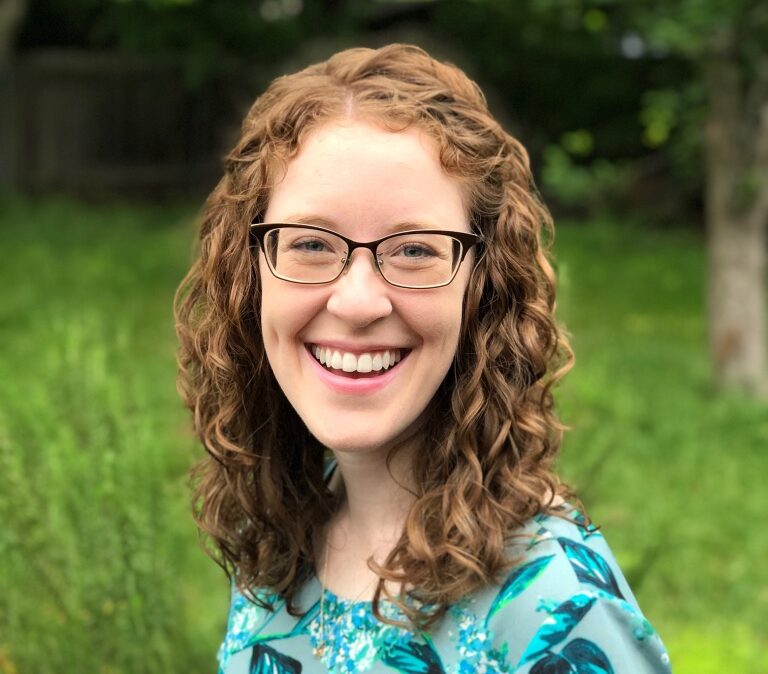
As a PhD-prepared nurse practitioner and gerontologist, Assistant Professor Sarah Neller brings both heart and innovation to her work.
Neller, a Nashville native and mother of three, began her nursing journey at the bedside in a cardiac intensive care unit.
“I kept seeing the same patients admitted for heart failure management,” she said. “It made me wonder what kind of care they were receiving in their communities.”
That curiosity launched a path toward advanced practice, research, and eventually a PhD.
It was Neller’s experiences in the ICU, especially the sacred moments when life-sustaining treatment was withdrawn, that lit her passion for helping patients and families communicate their hopes, values, and legacies. Her research now focuses on legacy creation as a tool to promote generativity, intergenerational connection, and well-being among older adults.
“A legacy of values is a nonlegal way for individuals to intentionally communicate emotional and supportive instruction such as values, beliefs, wisdom, and life lessons learned, that has been or is intended to be shared with family, friends, or community,” said Neller. “It’s also known as an ethical will or legacy letter. I’ve learned so much from my participants about how impactful the process of creating a legacy of values is.”
Thanks to the Allison and Patrick Harrison Nursing Innovation Award, Neller was able to present her work on legacy letters at the Gerontological Society of America’s national conference, where she also co-led a workshop on mentoring emerging researchers in the field.
“Attending the conference gave me an opportunity to connect with colleagues, share ideas, and learn new methods,” she said.
Established in 2016, the award supports innovative research and educational efforts that advance health care.
“Supporting research of the graduate- and faculty-level nurse is important for creation of new knowledge,” said Allison Harrison. “This was an area of need within the College of Nursing identified by the dean when Patrick and I made our initial pledge. The recipients and their important areas of research are impressive.”
For Neller, the support has allowed her to amplify her impact and connect her work to a broader network of scholars and practitioners.
“This research redefines legacy creation as more than an outcome of generativity. It explores its potential as a mechanism to cultivate generativity, offering a novel approach to promoting intentional living, self-growth, and intergenerational connection among older adults,” Neller added. “Through the creation of legacy letters, older adults can reflect on their values and life lessons, leaving behind a meaningful and enduring message for loved ones.”
Neller’s work continues to expand through collaborations with the University of Utah and the University of Alaska, exploring legacy creation and cultural approaches to aging well.
She brings the same spirit to her students, challenging them to think beyond clinical care and consider the impact they’ll have in every role they play as nurses.
“To the Harrison family, thank you,” Neller says. “Your generosity has not only supported my professional growth but also encouraged me to keep pursuing this meaningful work. Thank you again for believing in the next generation of nursing researchers.”
—
CONTACT:
Kara Clark Cardwell ([email protected], 865-974-9498)